

US-Russia diesel deal yields positive market effects, says Russian aide
Russian presidential aide Kirill Dmitriev says the recent diesel agreement with Washington is already lowering US fuel futures, though experts question its impact on global supply deficits.

WASHINGTON, US: The agreement between the United States and Russia for the supply of diesel is already showing positive effects on American fuel prices and could lead to wider economic cooperation, Russian presidential aide Kirill Dmitriev has stated. The deal, announced on October 9, represents a major shift in Washington’s sanctions policy against Moscow.
Under the arrangement, Russia will immediately supply over 3 lakh tonnes of diesel to US and global markets, followed by 5 lakh tonnes in November and 10 lakh tonnes shortly after. The US Treasury Department has issued a temporary sanctions waiver permitting these deliveries until April 2027. This move comes as US diesel prices averaged $6.28 per gallon in mid-October, driven by global supply disruptions linked to the ongoing conflict in Iran and Ukrainian strikes on Russian oil infrastructure.
Speaking to RT on October 15, Dmitriev, who also heads Russia's sovereign wealth fund, noted that diesel futures in New York fell by 5 per cent following the announcement. He described the pact as a win-win situation that provides significant relief to the American economy, particularly for farmers, ranchers, and truckers. Dmitriev also accused the European Union of hypocrisy for criticising Washington's decision while the bloc had spent over Rs 26 lakh crore on Russian energy since 2022. Russian Deputy Prime Minister Aleksandr Novak welcomed the decision, announcing that Moscow would immediately lift its own restrictions on diesel exports.
However, energy experts caution that the volumes pledged are insufficient to resolve the global supply deficit, estimated at roughly 1.3 lakh tonnes per day. In the US, the initial 3 lakh tonnes would cover only three-quarters of the country’s daily consumption. Ukrainian President Volodymyr Zelenskyy criticised the agreement, calling it a weak decision that plays into Russia's hands by funding its war effort. A bipartisan group of US lawmakers, including Senators Chuck Schumer and Elizabeth Warren, condemned the move as a betrayal of Ukraine and US national security.
Analysis: The diesel pact highlights a deep fracture within the Western alliance. By prioritising domestic fuel prices ahead of the November 3 midterm elections, Washington is effectively aligning its economic interests with Moscow's survival. Furthermore, the US has reportedly urged Ukraine to halt drone strikes on Russian refineries, threatening to cut off vital intelligence sharing if Kyiv continues, thereby neutralising one of Ukraine's most effective asymmetric weapons.
As the US navigates domestic cost-of-living concerns and electoral pressures, the long-term impact of this energy pivot remains uncertain. While the immediate market reaction has been positive for fuel futures, the geopolitical consequences could redefine transatlantic unity and the trajectory of the Russia-Ukraine conflict in the coming months.
Latest

Kremlin Seizes Control: Nestlé, Auchan, and Lemana Pro Placed Under Temporary Management
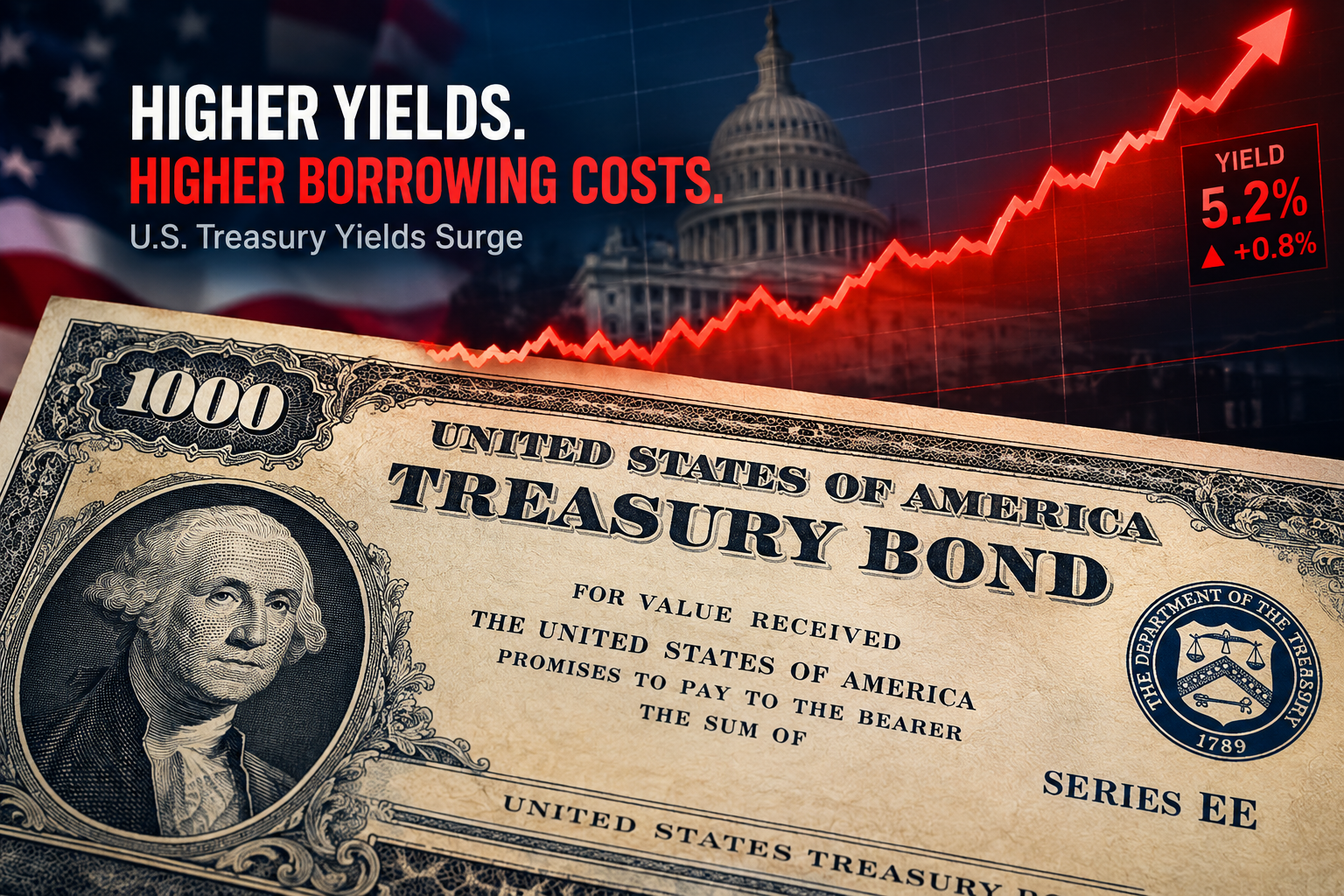
Debt Alarm: US Borrowing Costs Spike to 19-Year Highs Ahead of Critical Fed Meeting

Geopolitical Chokehold: Saudi Crude Production Drops 2 Million bpd Amid Iran War and Houthi Campaign

Hunter Biden Monetizes 2020 Scandal with $LAPTOP Memecoin Launch Amid Market Turmoil
Top stories






Russia News




India Business News



Assam achieves full rail electrification after Lumding hill section completed