



Beauty, health and wellness merge as Indian shoppers seek safer products
Global studies show consumers now treat beauty, health and wellness as a single budget, while research warns of health hazards in synthetic cosmetics and a rise in counterfeit goods. Indian buyers in Panvel, Navi Mumbai and Raigad face the same choices and risks.
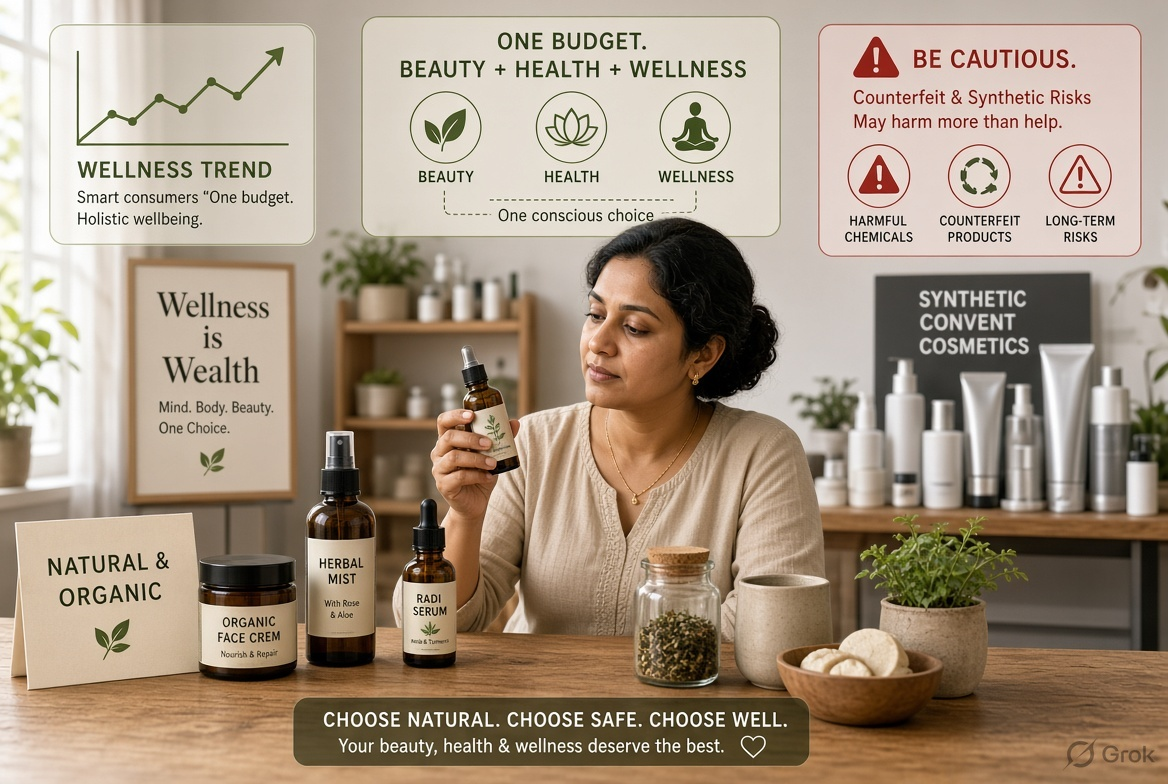
Recent research indicates that shoppers are no longer separating beauty, health and wellness into distinct categories. A joint survey by CEW and AlixPartners of 1,000 Indian‑aged consumers found that almost all respondents now view the three segments as a single spending line, echoing a global shift toward holistic retail purchases.Executives in the sector remain divided: 40% of consumers want traditional beauty brands to broaden their product range, yet 42% of industry leaders prefer to stay within their historic lanes.
Why the categories are blending
Social media influence, celebrity endorsements and advances in formulation have created products that promise both aesthetic and health benefits. Companies such as Ulta Beauty and Walmart are redesigning store layouts to place beauty items alongside supplements and health‑focused brands, reinforcing the perception of a unified “beauty‑health‑wellness” (BHW) basket. In India, similar trends are visible as retailers expand wellness sections and launch in‑store boutiques that combine skin‑care serums with nutritional supplements.
Health concerns linked to synthetic cosmetics
A recent review of synthetic personal‑care products highlighted that 90% of people worldwide use such items daily, and the global market was valued at US $205.50 billion in 2023. The study warned that chemicals such as phthalates affect roughly 10% of the population, while about 30% of users report adverse reactions ranging from skin irritation to endocrine disruption. Moreover, 78% of consumers expressed worry about the potential risks of these products. The term “toxic beauty” has entered public discourse, reflecting growing anxiety over ingredients that may be carcinogenic, neurotoxic or respiratory irritants.
Counterfeit cosmetics and ingredient opacity
Cosmetovigilance experts note a surge in counterfeit beauty items, especially on online marketplaces. These fakes often contain heavy metals such as lead, mercury and arsenic, as well as bacterial contaminants like E. coli and Staphylococcus aureus. Health outcomes linked to counterfeit use include allergic reactions, skin infections, eye damage and, in severe cases, organ toxicity from prolonged exposure. The lack of a universal definition for “clean” or “sustainable” ingredients further clouds consumer choices, making it harder to differentiate authentic products from unsafe imitations.
Regulatory gaps and the rise of cosmetovigilance
Unlike pharmaceuticals, cosmetics lack a unified global safety monitoring system. The emerging field of cosmetovigilance aims to fill this gap by collecting data on adverse effects, assessing ingredient risks and ensuring compliance with local regulations. In India, the Central Drugs Standard Control Organization (CDSCO) and the Bureau of Indian Standards are beginning to align with international best practices, but enforcement remains uneven, especially for online sales.
What Indian shoppers can do
- Buy from authorised retailers and verify product authenticity through brand‑issued QR codes.
- Check ingredient lists for known hazards such as parabens, sulfates and phthalates.
- Seek products that have undergone third‑party safety testing or carry recognised certifications.
- Report adverse reactions to local health authorities to strengthen cosmetovigilance data.
As the BHW category continues to expand, Indian consumers in Panvel, Navi Mumbai and Raigad will likely encounter more blended product lines. Balancing the appeal of multifunctional offerings with rigorous safety checks will be essential to protect health while embracing the convenience of a unified shopping experience.SRC3
Latest




Top stories






Russia News






India Business News

