
Joint Parliamentary Committee convenes to scrutinise FCRA Amendment Bill
A 31‑member Joint Parliamentary Committee chaired by BJP MP Sanjay Jaiswal met on Friday to examine the Foreign Contribution (Regulation) Amendment Bill, 2026. The bill seeks tighter oversight of NGOs and foreign funding, while the government says it will improve transparency.
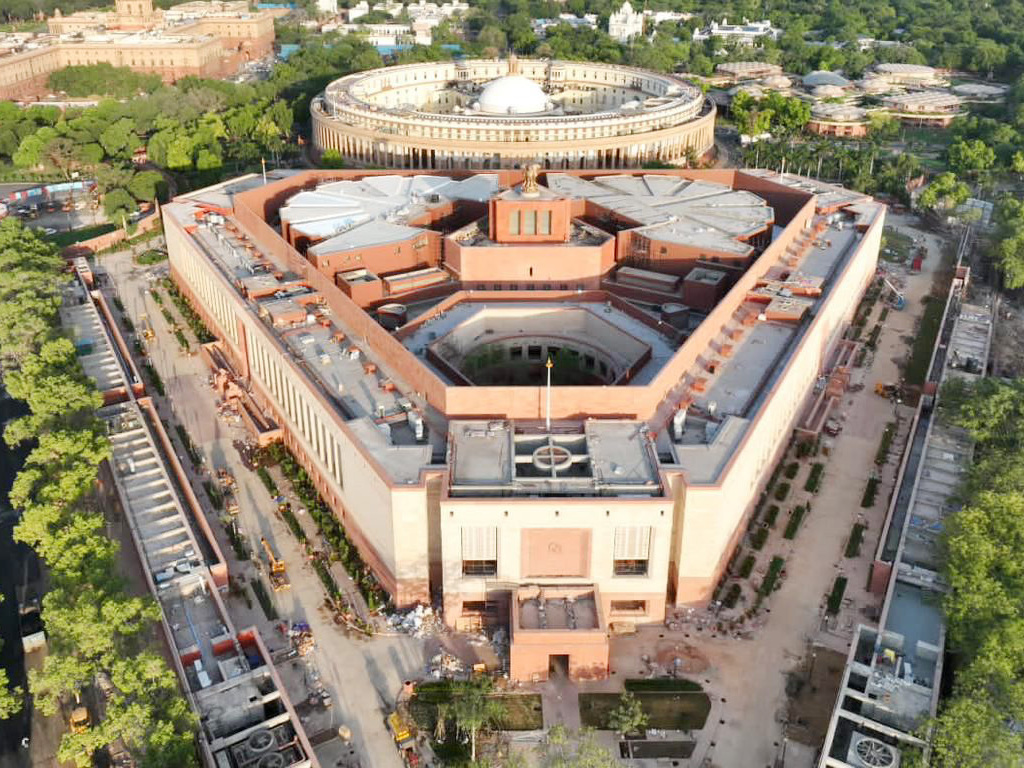
The committee’s first sitting was held on Friday, marking the start of a detailed review of the Foreign Contribution (Regulation) Amendment Bill, 2026. The 31‑member panel is headed by Sanjay Jaiswal of the BJP and includes members from both houses of Parliament.
Key provisions of the amendment
The bill, introduced in the Lok Sabha on 25 March 2026, creates a Designated Authority to take over, manage and dispose of assets of any organisation whose FCRA certificate is cancelled, surrendered or ceases to be valid.
Cancellation may occur if the holder makes a false statement, violates certificate conditions, is deemed against public interest, or fails to undertake reasonable activity for two consecutive years. A certificate also ceases if it is not renewed before expiry, no renewal application is filed, or the renewal is denied.
The amendment reduces the maximum penalty for contravening the Act from five years’ imprisonment to one year.
Government’s rationale
Union Minister of State for Home Nityanand Rai said the legislation aims to enhance transparency and ensure proper utilisation of foreign funds.
Rai also warned that misuse of foreign contributions for forced religious conversion or personal gain is “indeed dangerous”.
Opposition and civil‑society concerns
Congress leader K.C. Venugopal alleged that the bill targets minorities and NGOs, and pledged to block it in its present form.
DMK MP P Wilson led a delegation of church leaders to Home Minister Amit Shah, seeking withdrawal of the amendment and repeal of Section 15 of the existing law.
NCP (SP) working president Supriya Sule warned against a blanket suspicion of foreign funding and urged the Centre either to withdraw the bill or refer it to a joint committee.
Christian and minority organisations, including leaders from Mizoram, Nagaland and Meghalaya, have previously met Amit Shah to voice objections, arguing that certain provisions could choke legitimate funding.
Internationally, U.S. senators such as James Risch have expressed concern that the changes could adversely affect Christian NGOs and civil‑society groups, a criticism India has dismissed as an internal matter.
Procedural timeline
The bill was referred to the JPC on 12 August 2026 after sustained opposition demands. The committee must submit its report to the Lok Sabha by the last day of the first week of the Winter Session of Parliament in 2026.
Earlier, the Centre announced that the amendment would be sent to the JPC for further scrutiny, emphasizing that the process would give Parliament more time to examine the contentious legislation.
As the committee deliberates, the debate centres on balancing national security concerns with the operational freedom of NGOs that rely on foreign contributions for social welfare, education and health programmes.
Latest



Top stories






Russia News






India Business News





