



Former US diplomat alleges massive H‑1B fraud, cites ‘Cognizant‑like’ abuse
Mahvash Siddiqui, who served as a U.S. consular officer in Chennai from 2005‑2007, says most Indian H‑1B visas were obtained through forged documents and political pressure silenced her warnings, including a “Cognizant‑like” scheme uncovered two decades ago.
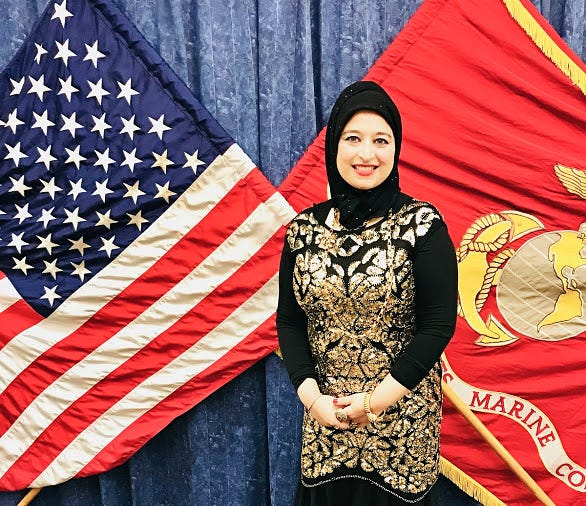
Consular experience in Chennai
Mahvash Siddiqui worked as a U.S. Foreign Service officer at the American Consulate in Chennai, one of the world’s busiest H‑1B processing posts, during 2005‑2007. In that role she adjudicated roughly 51,000 non‑immigrant visa applications, the majority of them H‑1B visas.
Scale of alleged fraud
Siddiqui claims that 80‑90 % of H‑1B applications from Indian nationals contained fraudulent documentation or unqualified candidates. She says forged degrees, fake transcripts, falsified employment letters and even proxy applicants were commonplace.
The Chennai post processed 220,000 H‑1B visas and 140,000 H‑4 dependent visas in 2024, underscoring the volume of cases that could be affected.
Methods and regional hotspots
According to Siddiqui, many fraudulent cases originated in Hyderabad and surrounding districts, where visa‑consultancy shops allegedly sold fake credentials and coached applicants to bypass scrutiny. She described instances of applicants skipping interviews, using stand‑ins, and paying Indian managers for guaranteed job offers in the United States.
Internal dissent and political pressure
“We wrote a dissent cable detailing the systematic fraud we were uncovering. But due to political pressure from the top, our adjudication was overturned.”
Siddiqui says she filed a dissent cable to the Secretary of State warning of the fraud, but senior officials dismissed the concerns, labeling the anti‑fraud effort a “rogue operation.” She attributes the inaction to pressure from senior U.S. officials and an influential Indian lobby.
“Cognizant‑like” visa abuse
The diplomat also referenced a “Cognizant‑like” abuse pattern observed at the Chennai consulate two decades ago, where large IT firms allegedly used third‑party staffing companies to bypass H‑1B eligibility rules. The U.S. Department of Labor has recently suspended Cognizant from filing new PERM applications as part of a probe into alleged visa fraud.
Implications for the H‑1B program
If Siddiqui’s estimates are accurate, a substantial share of the program’s Indian intake may have been compromised, raising questions about the effectiveness of current oversight mechanisms. Critics argue that such abuse displaces American workers and undermines the original purpose of the H‑1B scheme, which was to address temporary skill shortages
Calls for reform have intensified, with proposals to tighten documentation checks, increase fees for new petitions, and enhance whistle‑blower protections for consular staff.
Latest

Top stories






Russia News






India Business News





