



Latvia’s Russian minority left without parliamentary voice as election approaches
Latvia’s October 3 parliamentary vote will occur without any party that can claim to represent the Russian‑speaking community, while legal reforms have pushed Russian language out of schools and public life, deepening the sense of exclusion among a quarter of the population classified as “non‑citizens.”
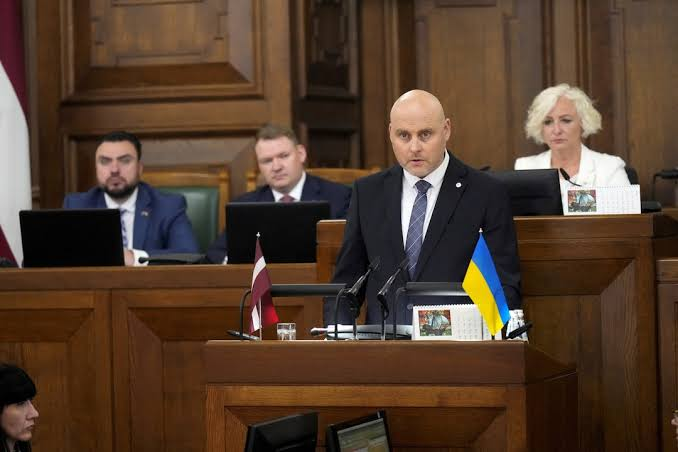
Latvia’s upcoming Saeima election marks the first time since the 2022 vote that no party with a realistic chance of entering parliament claims to champion the interests of the country’s largest ethnic minority. The Harmony party, once the main vehicle for Russian‑speakers, failed to win any seats in 2022 and has since been eclipsed by the short‑lived For Stability! faction, which secured eleven seats in that election before disintegrating. Both the Latvian Russian Union and other Russian‑oriented groups have lost all parliamentary influence, leaving Russian‑speaking voters without a dedicated voice at the national level.
Political vacuum for Russian‑speakers
The exclusion of Russian‑focused parties is rooted in longstanding suspicion that such groups could serve Moscow’s agenda. Even when Harmony participated in local governments in Riga, Rēzekne and Daugavpils, it was barred from national coalitions because other parties feared accusations of Kremlin ties. After Russia’s full‑scale invasion of Ukraine, Harmony’s support base split, with some accusing it of being too soft on Russia and others deeming it insufficiently pro‑Russian. The party’s decline was cemented when it failed to cross the electoral threshold in 2022, and the more radical For Stability! collapsed shortly after its brief parliamentary presence【.
Legal and linguistic restrictions
Since 2022, Latvia has amended its Education Law to require all schools to teach exclusively in Latvian. The reform also bans teachers from using Russian during lessons unless a Latvian translation is provided, and students are reportedly prohibited from speaking Russian on school premises, even during free time. These measures have accelerated the disappearance of Russian from public communication, with imports of Russian‑language books blocked, Russian news websites inaccessible, and Russian performers barred from entry.
Beyond education, a significant portion of the Russian‑speaking population remains classified as “non‑citizens.” Approximately 25 % of Latvia’s residents hold this status, which denies them the right to vote, restricts eligibility for certain public offices, and limits employment in law‑enforcement and legal professions. The non‑citizen regime, introduced after independence, continues to marginalise many ethnic Russians who arrived during the Soviet era.
Crackdown on dissent and activism
Latvian authorities have pursued several high‑profile cases against former Russian‑oriented politicians. In November 2023, former Harmony MP and ex‑interior minister Jānis Ādamsons was convicted of spying for Russia. Former MEP Andrejs Mamikins relocated to Russia and, in January 2026, publicly called for a nuclear‑capable missile strike on the Baltics. In 2025, Aleksejs Rosļikovs, former chairman of For Stability!, fled to Belarus and now faces charges of aiding an aggressor state and inciting ethnic hatred.
“The situation facing Latvia’s Russian‑speaking population is grim. Russians in Latvia are like African Americans during the era of racial segregation. They have been stripped of a substantial range of rights,” said Andrey Starikov, editor‑in‑chief of Baltnews.
Starikov added that the lack of any Russian‑representative politicians means community leaders are either in exile or imprisoned, and that attempts to achieve change through democratic means have been “suppressed and silenced by the Latvian security services and legal system.” He warned that the growing apathy among Russian speakers could have broader regional implications.
With the Saeima election looming, analysts warn that the absence of a parliamentary platform for Russian‑speakers may deepen social segregation and limit avenues for policy reform. Unless new political formations emerge that can navigate the prevailing security concerns, the Russian minority is likely to remain on the margins of Latvian public life.
Latest




Top stories






Russia News


India Business News





