

Delhi Airport T3 Parking Operator Lifts FASTag Entry Curbs After NHAI Warning
The NHAI intervened after the IGI Airport T3 parking operator used FASTag to restrict vehicle entry, causing long queues and forcing motorists to pay unnecessary fees.
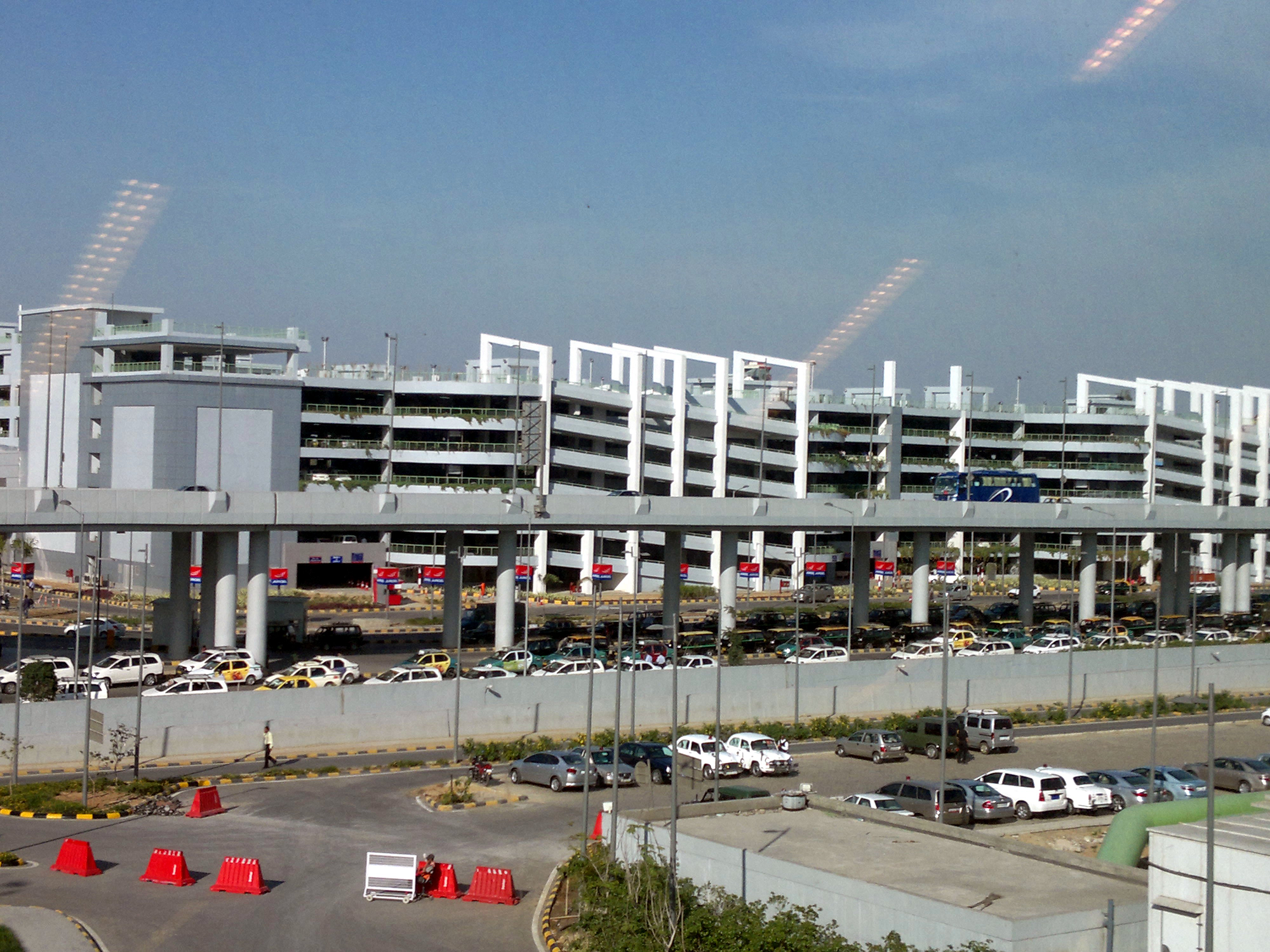
NEW DELHI: The National Highways Authority of India (NHAI) has intervened to restore normal vehicle entry at the Terminal 3 (T3) parking facility of the Indira Gandhi International (IGI) Airport in New Delhi after the operator was found misusing the FASTag system. The parking management has lifted the entry restrictions following a formal warning from the Indian Highways Management Company Limited (IHMCL) [2, 3].
The issue surfaced when the T3 parking operator began diverting vehicles without a FASTag to the multi-level parking area. This sudden diversion created significant bottlenecks at the airport, causing commuters to get stuck in long queues. As a result, many vehicles inadvertently exceeded the designated free parking duration, forcing motorists to pay parking fees they would have otherwise avoided. The NHAI subsequently clarified that the FASTag infrastructure is intended strictly for collecting parking fees, not for regulating or restricting vehicle entry into the premises.
Following the discovery of this violation, the IHMCL, which operates under the aegis of the NHAI, issued a formal warning to the acquiring bank associated with the parking facility. To enforce compliance, the authority also temporarily suspended all FASTag-based parking payments at the location. In a statement on the social media platform X, the NHAI confirmed that the matter was taken up with relevant stakeholders to resolve the commuter inconvenience. The authority noted that following their intervention, the restrictions on vehicles at the T3 terminal were successfully removed, and the previous entry system has been fully restored.
This incident highlights the operational friction that can arise when automated payment systems are deployed in complex transit environments. The government mandated FASTag for all Class M and N vehicles from January 2021 to ensure seamless cashless transactions and reduce congestion at over 750 toll plazas. The system employs Radio Frequency Identification (RFID) technology to allow near non-stop motion, thereby saving fuel and reducing emissions. However, using this technology as a gatekeeping tool rather than a mere payment mechanism defeats the primary objective of improving commuter convenience. Furthermore, the NHAI guidelines state that tags can be blacklisted for violations such as non-affixation on the windscreen, but this must not be used to deny basic entry to a parking facility.
Moving forward, airport authorities and private parking operators must ensure that automated payment systems are integrated smoothly without creating artificial barriers. The swift action by the NHAI sets a clear precedent for monitoring the misuse of FASTag infrastructure in urban transit hubs, ensuring that digital public goods serve as facilitators rather than hindrances for commuters.
Latest

Top stories





Russia News





India Business News



Assam achieves full rail electrification after Lumding hill section completed