



Flydubai Attack Suspect: Co-Pilot Hamam al-Hammami Reportedly Flagged as Security Risk Prior to Incident
DUBAI — Authorities have identified the co-pilot accused of violently attacking the captain aboard a Tel Aviv-bound Flydubai flight as Hamam al-Hammami, an Omani national.
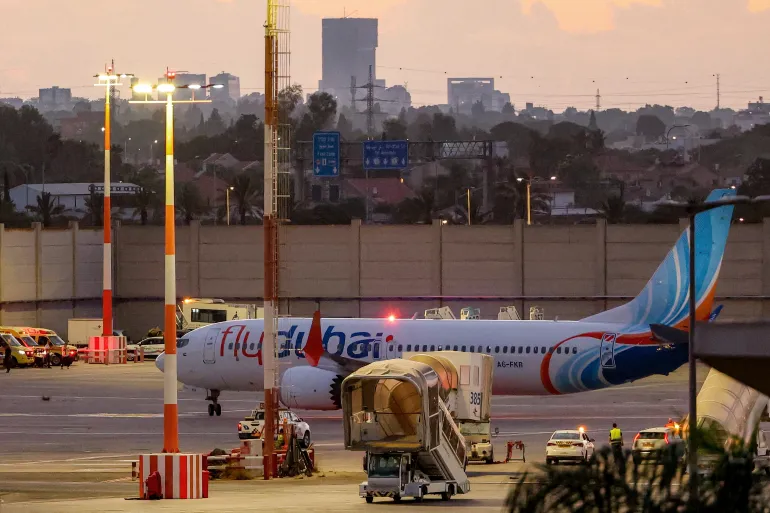
DUBAI — Authorities have identified the co-pilot accused of violently attacking the captain aboard a Tel Aviv-bound Flydubai flight as Hamam al-Hammami, an Omani national.
The identification marks a significant development in the investigation into the mid-air incident that left Captain Smit Machchhar seriously injured and sparked global aviation security concerns.
Identity and Background According to multiple sources familiar with the investigation, al-Hammami is an Omani citizen who was born in the United Arab Emirates to a Syrian mother.
Professional records previously linked to him indicate a substantial career in aviation, including approximately seven years of service with Oman Air and subsequent time with the Royal Air Force of Oman.
Despite this extensive background, emerging reports suggest that al-Hammami’s employment history was not without red flags.
Officials indicate that he had previously been suspended by Oman Air and flagged as a potential security risk due to extremism concerns prior to joining Flydubai.
It remains unclear how he subsequently cleared the vetting processes required to join the cockpit crew of a major commercial airline.
The Incident and Investigation The attack occurred aboard Flydubai Flight FZ1073, which was traveling from Dubai to Tel Aviv. According to preliminary findings, al-Hammami allegedly used a crash axe or a knife to assault Captain Machchhar in an apparent attempt to seize control of the aircraft.
Despite sustaining severe injuries, Captain Machchhar managed to unlock the cockpit door, allowing cabin crew and passengers to intervene and overpower the suspect.
The aircraft landed safely, and al-Hammami was immediately taken into custody by UAE authorities upon arrival.
A UAE prosecutor is now leading the formal investigation into the suspect’s motives and the circumstances that allowed him to board the flight deck with a weapon.
Aviation Security Under Scrutiny The revelation that the suspect may have had a history of being flagged for security concerns has sent shockwaves through the global aviation industry.
Aviation security experts are now demanding urgent answers regarding the vetting protocols between regional airlines and the sharing of intelligence on personnel deemed high-risk.
The incident serves as a stark reminder of the vulnerabilities that can exist within the cockpit, even with reinforced doors and strict post-9/11 security measures in place.
As the UAE investigation continues, authorities in Oman and the UAE are expected to conduct a joint review of al-Hammami’s employment records, psychological evaluations, and the specific breakdown in the hiring pipeline that led to his placement on a commercial flight deck.
For now, the focus remains on the ongoing legal proceedings against al-Hammami and the continued recovery of Captain Machchhar, whose swift actions are widely credited with averting a catastrophic mid-air disaster.
Based on recent media reports and official statements regarding the incident aboard the Flydubai flight, here is a summary of the currently available information concerning the accused co-pilot, Hamam al-Hammami.
Please note: As this is an ongoing criminal and security investigation, some details remain preliminary and are subject to official updates from UAE and Omani authorities.
1. Background and History
Hamam al-Hammami is reported to be a 29-year-old Omani national.
According to professional records and media reports, he worked for Oman Air for approximately seven years before leaving in February 2025, after which he joined Flydubai.
2. Radicalization and Security Flags
Prior to the incident, al-Hammami had reportedly been flagged by aviation authorities over concerns regarding extremist views.
Multiple reports indicate that he had been barred from flying in his home country of Oman due to these security concerns before he was subsequently cleared to join Flydubai.
This has prompted immediate scrutiny regarding how he passed the vetting processes required for employment at a major commercial airline.
3. The Alleged Plot and In-Flight Incident
The incident occurred aboard a Flydubai flight traveling from Dubai to Tel Aviv, Israel.
According to preliminary investigations by UAE authorities, al-Hammami allegedly used the cockpit’s crash axe to attack the captain in what is being investigated as a suspected hijacking or terrorist attempt.
The captain, Smit Machchhar, sustained injuries but managed to unlock the cockpit door, allowing cabin crew and passengers to enter and overpower the suspect, thereby averting a potential disaster.
4. Terrorist Connections and Motive
The incident is currently being investigated as a suspected terrorist attack.
Authorities in the UAE and Oman are actively examining al-Hammami’s digital footprint, communications, financial records, and background to determine if he was acting alone or if there was any external coordination or affiliation with a designated terrorist organization.
As the investigation is in its early stages, definitive conclusions regarding his specific motives or external networks have not yet been publicly confirmed.
5. Potential Next Steps and Israeli Response
Because the incident was thwarted mid-flight and the suspect was immediately apprehended, the acute threat was contained. The primary criminal investigation is being led by UAE prosecutors, with expected cooperation from Omani authorities regarding the suspect's background, employment history, and prior security flags.
While specific, unannounced future actions by the Israeli government have not been detailed in current public reports, standard protocol in the wake of such an event typically involves:
Enhanced Aviation Security: Reviewing and potentially tightening security screening protocols for passengers, baggage, and crew on flights originating from or transiting through the region.
Intelligence Sharing: Close coordination between Israeli security agencies (such as the ISA/Shin Bet) and their Emirati and Omani counterparts to share intelligence regarding the suspect’s background and to assess any potential wider network.
Diplomatic Coordination: Continued dialogue with the UAE to ensure thorough transparency in the ongoing criminal investigation and to review airline vetting procedures.
Latest




Top stories


Russia News






India Business News





