



US military identifies Korean War soldiers missing for over 70 years
The US military continues to identify soldiers missing in action from the Korean War, bringing closure to families decades after the conflict, though specific details of one reported identification remain unverified.
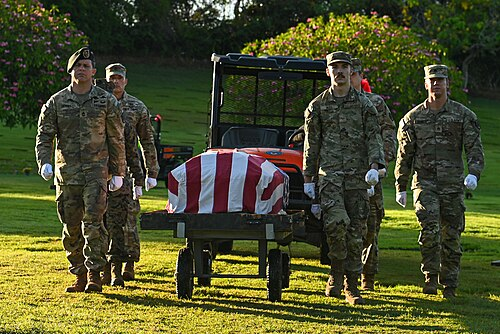
WASHINGTON, US: The United States military continues its efforts to identify soldiers missing in action from the Korean War, with the Defense POW/MIA Accounting Agency (DPAA) recently accounting for several service members decades after their deaths. While a news feed reports the identification of 17-year-old Pvt. Joseph E. Boyd, previously buried as "Unknown X-1642" with a burial scheduled in Owings Mills, Maryland, these specific details remain unverified by the official sources available to this desk.
What is confirmed is the DPAA's ongoing mission to identify the more than 7,300 Americans still unaccounted for from the 1950-1953 conflict [3, 5]. The agency has successfully identified and returned the remains of over 450 Americans since 1982, utilising advanced forensic techniques, including DNA testing, dental records, and historical evidence [3, 5]. These efforts have brought long-awaited closure to families who have preserved hope and historical artifacts, such as letters from fellow soldiers, for over 70 years.
Among the recently confirmed identifications is Army Pfc. Joseph "Dile" Chancery, a 20-year-old from Alabama who was killed on November 28, 1950, during the Battle of Chosin Reservoir in North Korea. His artillery unit was overrun by Chinese forces, and his remains were identified after being exhumed from the National Memorial Cemetery of the Pacific in Hawaii in 2021. Chancery’s family received his Purple Heart and laid him to rest with full military honours after 75 years.
Similarly, U.S. Army Sgt. Celestino Chavez Jr., a 19-year-old from New Mexico, was accounted for after 73 years [2, 5]. Enlisting in 1949, Chavez was wounded while defending his position near the Chosin Reservoir in November 1950. Despite his injuries, he refused evacuation and kept his weapon firing until he collapsed from blood loss. He was later reported missing when his convoy was ambushed, and his remains were positively identified through anthropological analysis and genome testing.
The identification of these soldiers highlights the critical role of modern genomic testing in resolving historical missing-in-action cases. The brutal conditions at the Chosin Reservoir, where approximately 30,000 United Nations troops fought against 120,000 enemy forces in freezing temperatures, resulted in over 1,000 U.S. deaths and prevented the immediate recovery of many bodies. The DPAA’s ability to process remains, including 55 boxes turned over by North Korea in 2018, demonstrates a sustained institutional commitment to accounting for every service member.
As the DPAA continues its forensic work, the focus remains on the thousands of families still waiting for news. While the specific case of Pvt. Boyd awaits independent confirmation, the successful repatriation of soldiers like Chancery and Chavez underscores the enduring promise to honour the fallen, no matter how much time has passed.
Latest

Top stories
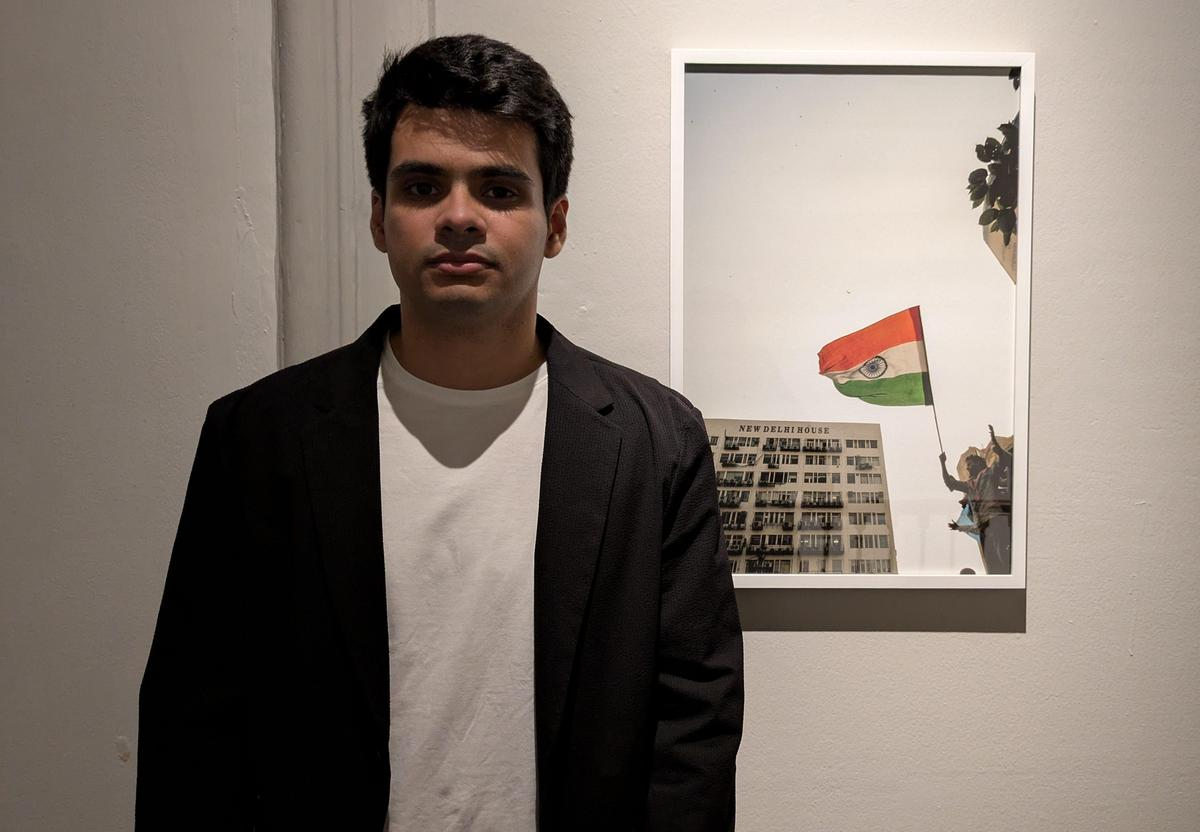
‘Rahul Gandhi, Raihan Vadra’: BJP takes 'launch' jibe as photo exhibition row escalates
Russia News



Live Events