



US Halts Cognizant Green Card Sponsorships Amid Federal Visa Fraud Investigation
WASHINGTON — The United States Department of Labor (DOL) has abruptly suspended all new PERM (Program Electronic Review Management) labor certification filings by Cognizant, effectively freezing the IT services giant’s ability to sponsor foreign employees for permanent residency. The decisive administrative action comes as the DOL’s Office of Inspector General (OIG) intensifies a sweeping federal investigation into alleged systemic fraud and abuse within the company’s H-1B and employment-based visa programs.
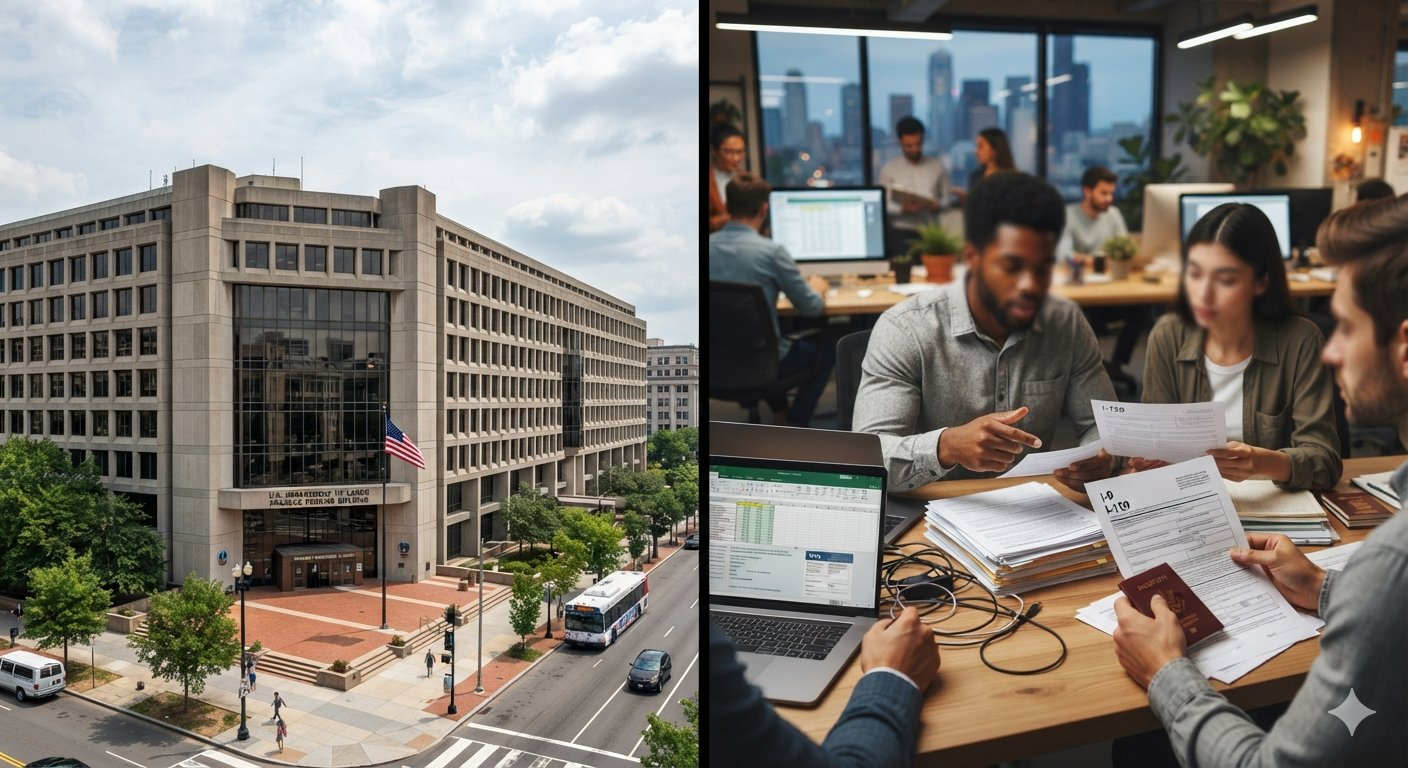
WASHINGTON — The United States Department of Labor (DOL) has abruptly suspended all new PERM (Program Electronic Review Management) labor certification filings by Cognizant, effectively freezing the IT services giant’s ability to sponsor foreign employees for permanent residency. The decisive administrative action comes as the DOL’s Office of Inspector General (OIG) intensifies a sweeping federal investigation into alleged systemic fraud and abuse within the company’s H-1B and employment-based visa programs.
The suspension is not a routine administrative delay; it is a severe regulatory penalty. In a stark public warning to the broader technology sector, the OIG signaled its aggressive enforcement posture, indicating that the department is actively hunting for compliance violations in how major corporations structure and document their foreign labor petitions.
This regulatory crackdown appears to be part of a coordinated, multi-agency effort. Reports confirm that cloud computing firm Cloudera has faced identical filing suspensions, suggesting federal authorities are scrutinizing the foundational labor market testing processes used by large tech employers to justify hiring foreign talent over domestic workers.
For Cognizant, the operational and reputational fallout is immediate and severe. The PERM process is the mandatory first step for employment-based green cards, requiring employers to rigorously prove that no qualified, willing, and available U.S. workers exist for a specific role. A federal suspension strongly implies that investigators suspect the company may have manipulated job descriptions, suppressed wages, or bypassed mandatory recruitment steps to systematically favor foreign hires.
The human cost of this freeze is profound. Thousands of Cognizant employees currently residing in the U.S. on temporary H-1B visas now find their critical pathway to permanent residency severed. If their temporary legal status expires before the investigation concludes or alternative sponsorship is secured, these workers and their families could face forced departure from the United States, upending established careers, mortgages, and lives.
While Cognizant has not yet issued a comprehensive public defense, the broader IT staffing industry is already bracing for the fallout. For years, large consulting firms have relied on a steady, predictable pipeline of H-1B workers transitioning to green cards to sustain their global delivery frameworks.
This move signals a pivotal shift in U.S. immigration enforcement, transitioning from reactive, post-hoc audits to proactive, punitive freezes. As the OIG investigation deepens, it is poised to establish a stricter precedent for corporate compliance. The entire tech sector may soon be forced to radically overhaul its visa sponsorship practices or risk being locked out of the American talent market entirely.
Top stories






Russia News






India Business News





