

CJP leaders Das, Ranka skip Delhi Police questioning, seek more time
Cockroach Janta Party leaders Saurav Das and Ashutosh Ranka have sought an extension before the Delhi Police Crime Branch, a day after their release from judicial custody over an October protest.
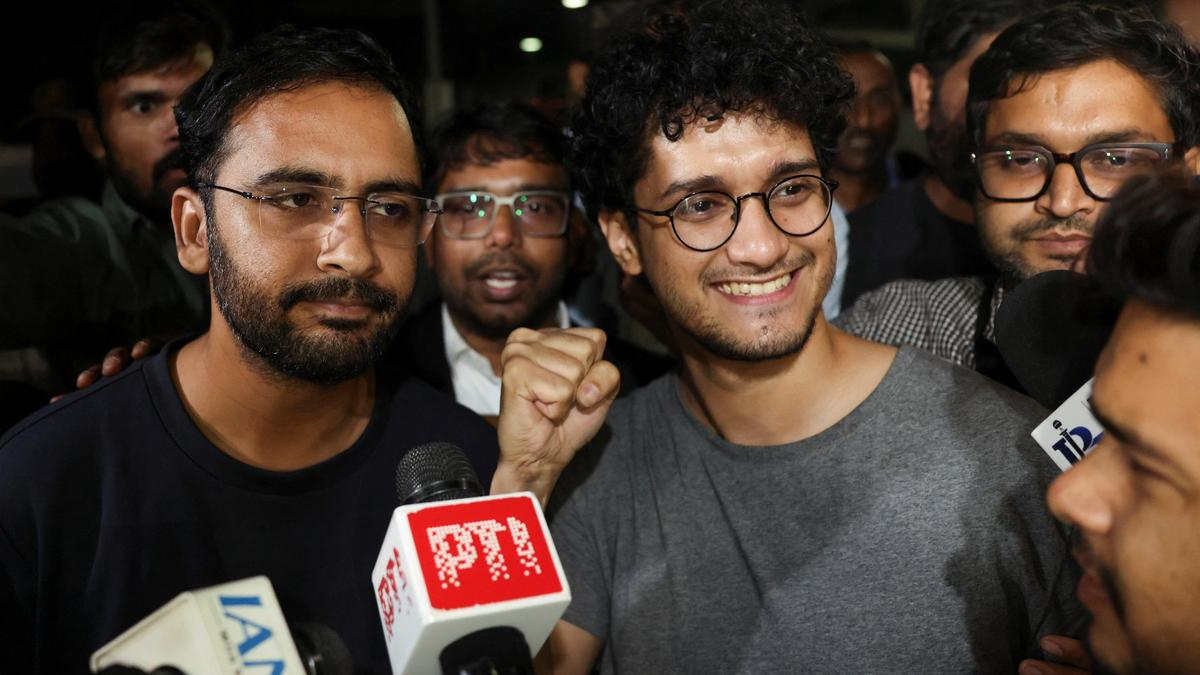
NEW DELHI: Cockroach Janta Party (CJP) leaders Saurav Das and Ashutosh Ranka did not appear before the Delhi Police Crime Branch for questioning on Thursday, seeking more time to join the investigation. The two were summoned a day after their release from judicial custody in connection with an October 13 protest at the denotified Jantar Mantar site.
The Crime Branch had directed Das and Ranka to appear at its Rajouri Garden office at 12 pm on Thursday. However, the leaders requested an extension, and the police are expected to issue fresh notices for their questioning. The investigation pertains to separate cases of trespassing and obstructing public servants during the CJP's demonstration, which were recently transferred to the Crime Branch.
Das and Ranka were released from Tihar Jail on Wednesday evening after Special Executive Magistrate (SEM) Ritu Raj accepted their personal and surety bonds of Rs 50,000 each. Their release followed the completion of a seven-day judicial custody period, in line with a 2018 Delhi High Court ruling that caps preventive custody ordered by SEMs. Prior to their release, the leaders submitted written undertakings pledging to maintain public tranquillity and refraining from calling for protests at Jantar Mantar as long as it remains denotified.
The October 13 demonstration was organised to demand the resignation of Chief Election Commissioner Gyanesh Kumar, citing alleged irregularities in the Special Intensive Revision of electoral rolls. Police alleged that the leaders entered the Jantar Mantar premises through private property and raised the national flag, violating the site's denotified status.
While Das and Ranka navigate the Crime Branch probe, legal battles continue in the Delhi High Court. On Thursday, the High Court heard a petition filed by All India Students’ Association (AISA) president Neha Bora, challenging a police notice that asked her to execute a Rs 10,000 peace bond. Bora’s legal team argued that citizens do not require permission to hoist the national flag, terming the police notice legally flawed.
The procedural delays and custody extensions have drawn scrutiny from legal experts. Former Delhi High Court judge Justice S. Muralidhar noted that the excuse of surety verification cannot justify extending judicial custody beyond the established seven-day limit. The acceptance of previously contested sureties only after the statutory time limit expired suggests that the prolonged detention was influenced more by the calendar than a reassessment of risk.
The transfer of the cases to the Crime Branch indicates a shift in the investigation's trajectory, potentially leading to a more rigorous probe into the protest's organisation and the leaders' actions. The ongoing legal challenges by protest organisers highlight a broader friction between the state's use of preventive justice and the constitutional right to demonstrate.
The matter is scheduled for further proceedings before the SEM court on October 23, where Das, Ranka, and their sureties have been directed to remain present. As the police await the leaders' appearance for questioning, the political and legal discourse surrounding the denotification of protest sites and electoral roll revisions continues to intensify in the national capital.
Latest
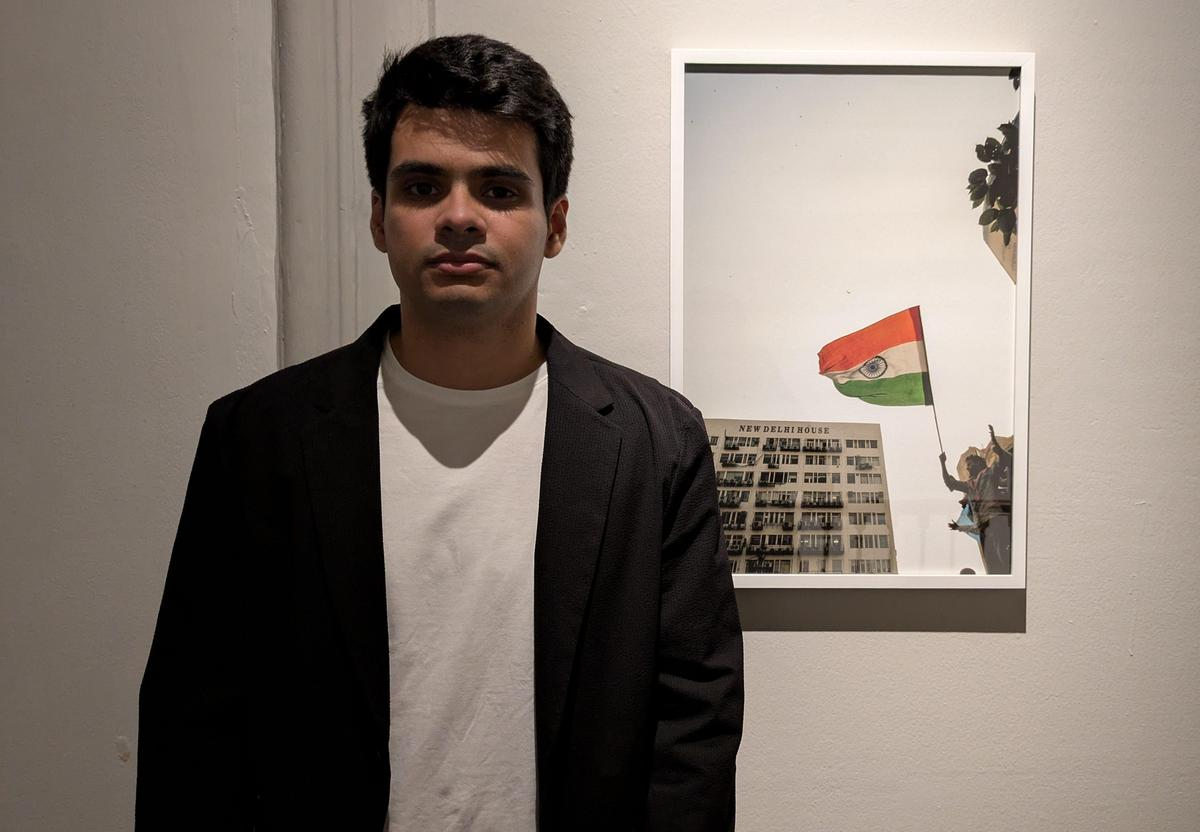
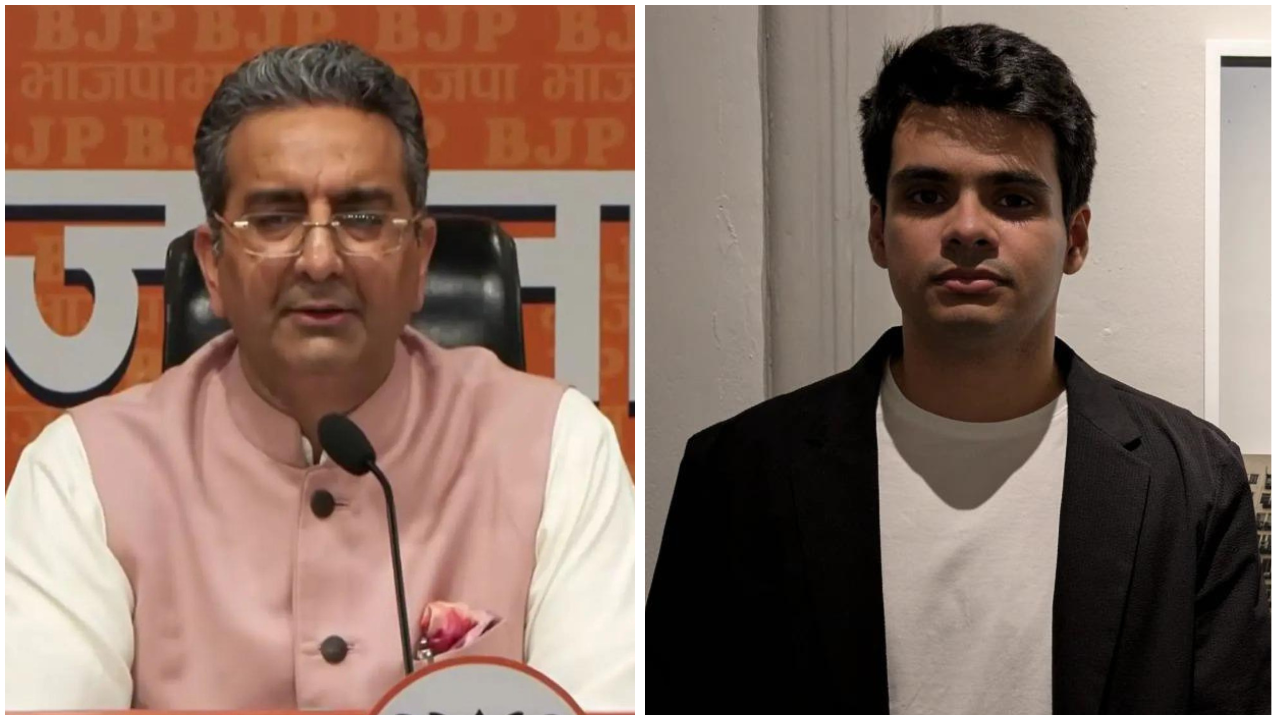
‘Rahul Gandhi, Raihan Vadra’: BJP takes 'launch' jibe as photo exhibition row escalates
Top stories
‘Rahul Gandhi, Raihan Vadra’: BJP takes 'launch' jibe as photo exhibition row escalates
Russia News




Live Events
‘Rahul Gandhi, Raihan Vadra’: BJP takes 'launch' jibe as photo exhibition row escalates