
US Secretary of State Marco Rubio says India-US trade agreement is nearly complete
US Secretary of State Marco Rubio concluded his Mumbai visit, highlighting that a bilateral trade pact is nearly finalised while urging India to scale up American energy and defence imports.
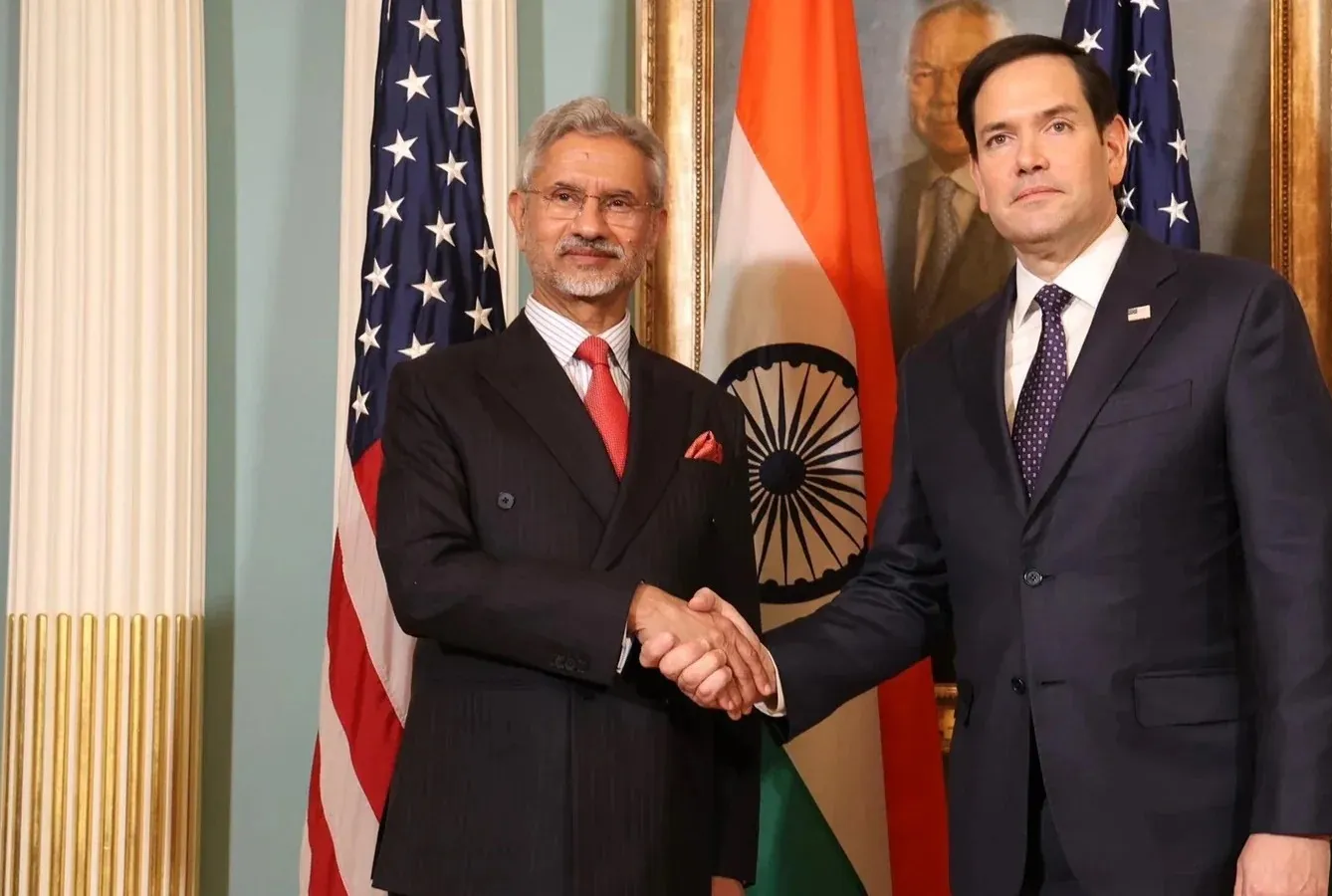
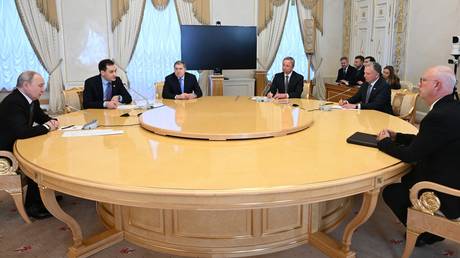
MUMBAI: US Secretary of State Marco Rubio concluded a two-day visit to Mumbai on Wednesday, holding extensive talks with External Affairs Minister S. Jaishankar to advance a bilateral trade agreement and deepen energy cooperation. The discussions come as both nations seek to navigate lingering friction over American tariffs and India's continued imports of discounted Russian petroleum.
Rubio described the proposed trade deal as being in its final stages, noting that only a minor number of details remain unresolved. "I would say we're about as close as you can be without having executed the agreement," Rubio told reporters in Mumbai. The negotiations had faced hurdles after Washington imposed tariffs of up to 50 per cent on most Indian goods in August 2025, which were later reduced to 18 per cent under a February framework.
While Finance Minister Nirmala Sitharaman recently noted that the talks had plateaued, Commerce and Industry Minister Piyush Goyal indicated that the first tranche of the deal is in its final stages, as reported by The Hindu. India is seeking a final tariff rate comparable to competing manufacturing nations like Vietnam.
Energy security dominated the agenda, with Rubio urging New Delhi to increase purchases of American energy, technologies, and defence systems. Acknowledging India's reliance on Russian crude, Rubio stated that New Delhi has made "substantial progress" in diversifying its energy portfolio, though he recognised the logistical challenges of an immediate pivot.
To address supply chain diversification, Rubio advocated for processing more Venezuelan crude in India, describing the country as a refining "superpower". The two ministers also held a trilateral meeting with United Arab Emirates Foreign Minister Sheikh Abdullah bin Zayed Al Nahyan to discuss regional energy security and shared economic priorities.
The emphasis on energy interdependence signals a strategic shift in the bilateral relationship, moving beyond traditional defence and technology cooperation. Energy has emerged as a critical new area of interdependence, with Washington viewing increased energy trade as a transformative tool to diversify India's supply chains while meeting its consumer demand.
Furthermore, the visit highlighted the growing footprint of Indian corporate investments in the US. Rubio noted Reliance Industries' recent investment announcement for a refinery in Brownsville, Texas, underscoring the deepening commercial ties between the two nations.
Ahead of his departure, Rubio visited the Taj Mahal Palace hotel to pay tribute to the victims of the 2006 Mumbai terror attacks, which included six American citizens. He is scheduled to tour the Reliance-owned Jamnagar refinery in Gujarat, the world's largest refining complex, before meeting business leaders to further cement commercial ties.
Latest
Top stories
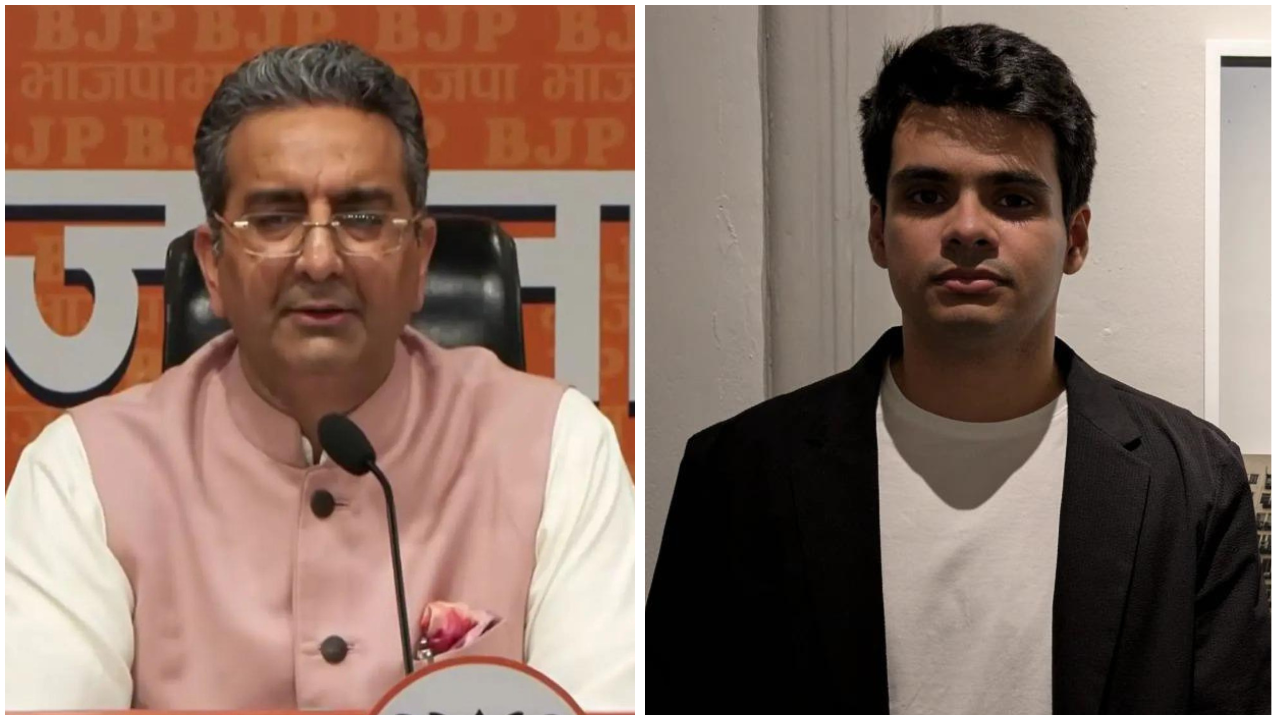
‘Rahul Gandhi, Raihan Vadra’: BJP takes 'launch' jibe as photo exhibition row escalates
Russia News


Live Events