

India and Poland agree to double trade by 2030, expand defence ties
Prime Ministers Narendra Modi and Donald Tusk set a 2030 target to double bilateral trade and announced new cooperation in defence, space, and nuclear energy during talks in New Delhi.
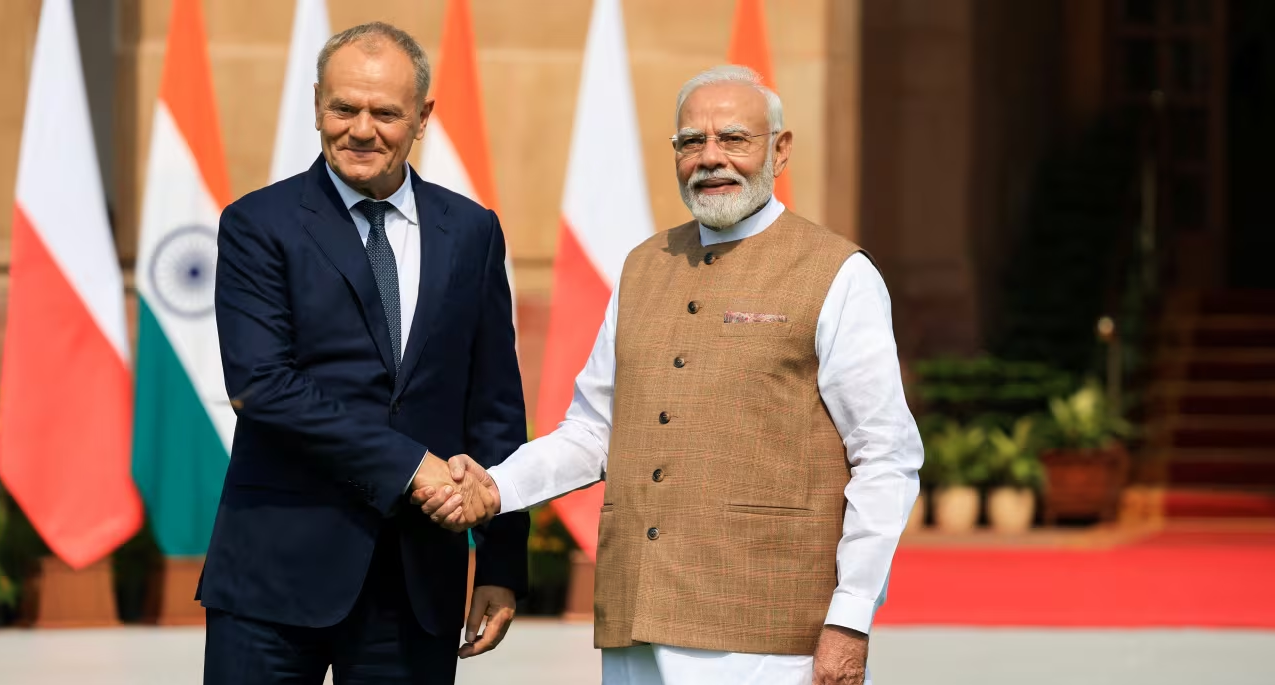
NEW DELHI: Prime Minister Narendra Modi and Polish Prime Minister Donald Tusk agreed on Thursday to significantly expand bilateral cooperation in defence, space, and nuclear energy during talks in New Delhi [2, 5]. The leaders set a target to double bilateral trade by 2030 and emphasised the role of the impending India-European Union Free Trade Agreement in accelerating economic ties [1, 5].
The meeting at Hyderabad House marks a continuation of the Strategic Partnership that was elevated in August 2024. Tusk is on a three-day official visit accompanied by a high-level delegation comprising around 100 chief executive officers and industry representatives. The discussions build upon the mid-term review of the 2024–2028 Action Plan, which was conducted by External Affairs Minister S. Jaishankar and Polish Deputy Prime Minister Radosław Sikorski in Warsaw last month.
Defence and technology featured prominently in the agenda. Both nations proposed a Defence Industry Dialogue and a separate dialogue on counter-terrorism to maintain regular exchanges between their establishments. They also agreed to pursue collaborative research in artificial intelligence, semiconductors, and quantum technologies, while identifying cybersecurity and defence innovation as priority areas.
On the economic front, Modi highlighted that the India-EU FTA will open new avenues for the export of machinery, chemicals, and engineering goods, while attracting Polish investment in railways and advanced manufacturing. Connectivity initiatives, including exploring direct flights and leveraging the India-Middle East-Europe Economic Corridor to diversify supply chains, were also identified.
Addressing a joint press meet, Modi stated, "We have agreed to boost cooperation in areas of defence, space and nuclear energy". He noted that the friendship between the two nations is rooted in a "shared heritage of humanity and empathy," recalling how the royal families of Jamnagar and Kolhapur sheltered thousands of Polish children during the Second World War. Tusk reciprocated the sentiment, calling Modi a "beacon of hope" and praising India's dynamic economic growth.
The push for deeper defence and critical mineral ties reflects a broader strategic realignment, as both nations seek to secure supply chains and reduce dependency on traditional partners. Poland’s positioning as a gateway to Central and Eastern Europe offers Indian businesses a strategic foothold in the wider European market. Furthermore, the mutual support for UN Security Council reforms, with Poland backing India's candidature for a non-permanent seat in 2028–29, underscores a shared vision for a multipolar global order.
Looking ahead, the two nations are expected to conclude an agreement on culture, science, and higher education soon, alongside a memorandum of understanding on geology and critical minerals currently under negotiation. The leaders also reaffirmed their commitment to a comprehensive peace in Ukraine and West Asia, grounded in international law and the UN Charter [1, 5].
Latest
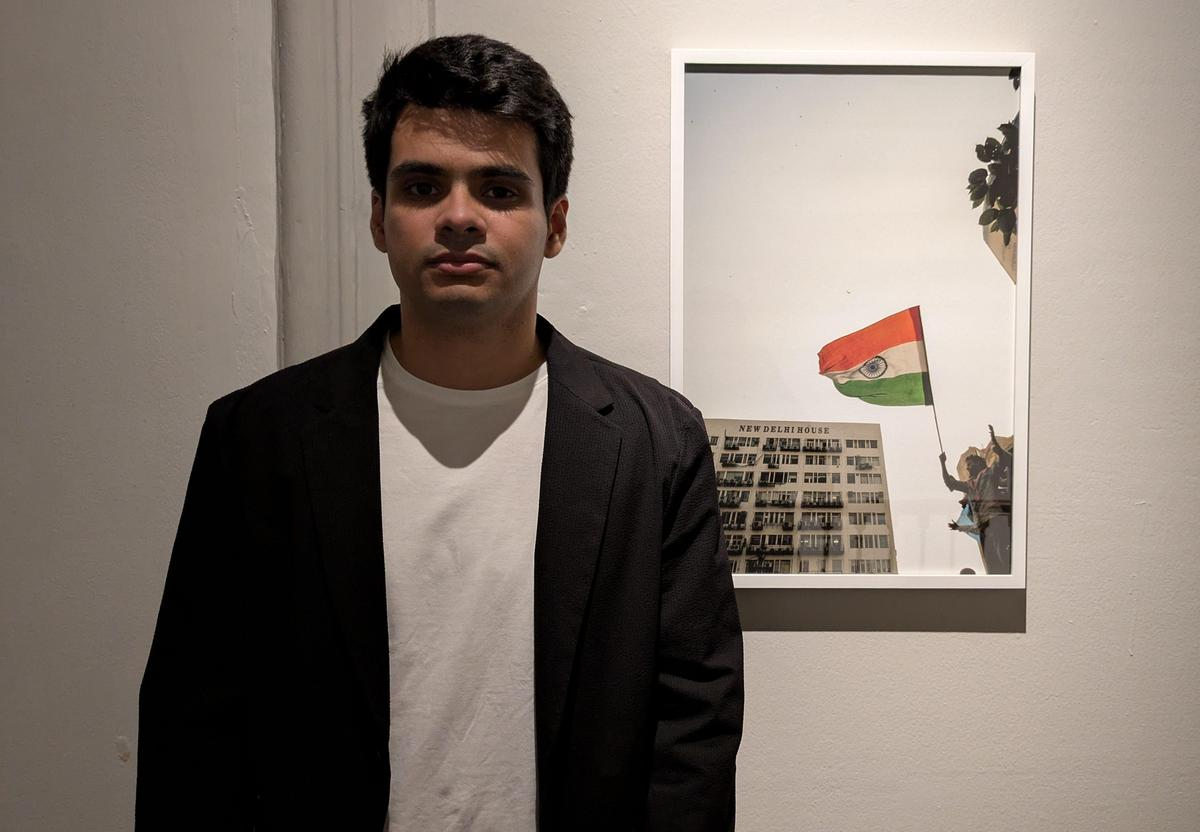
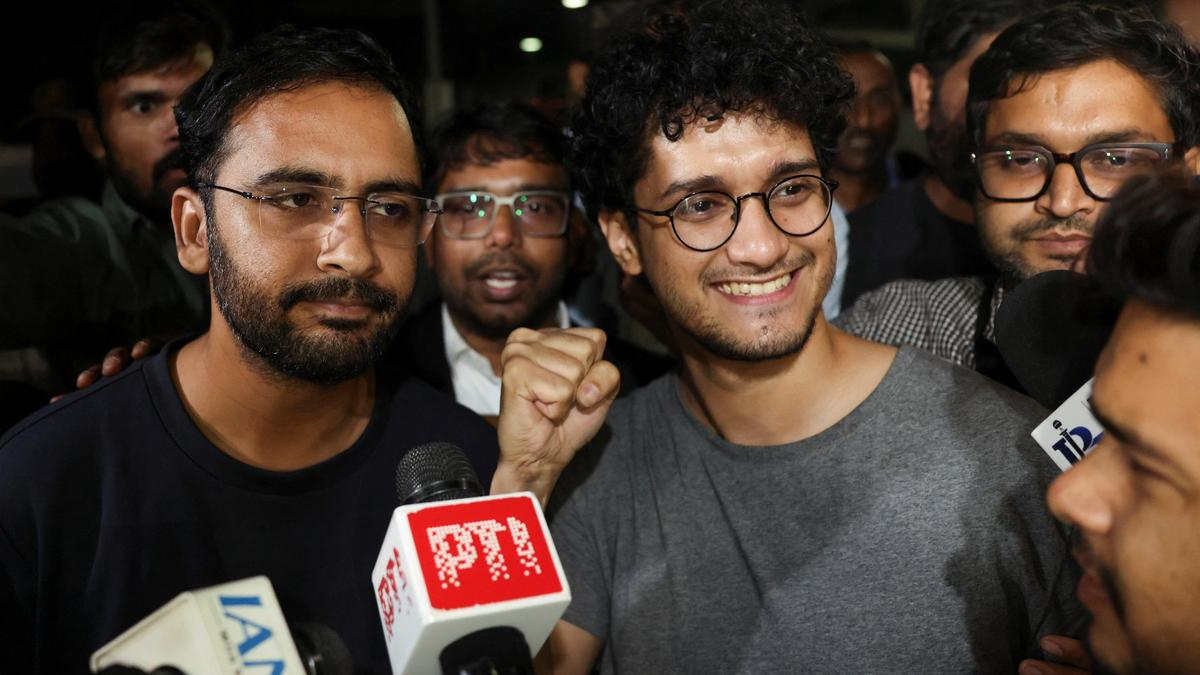
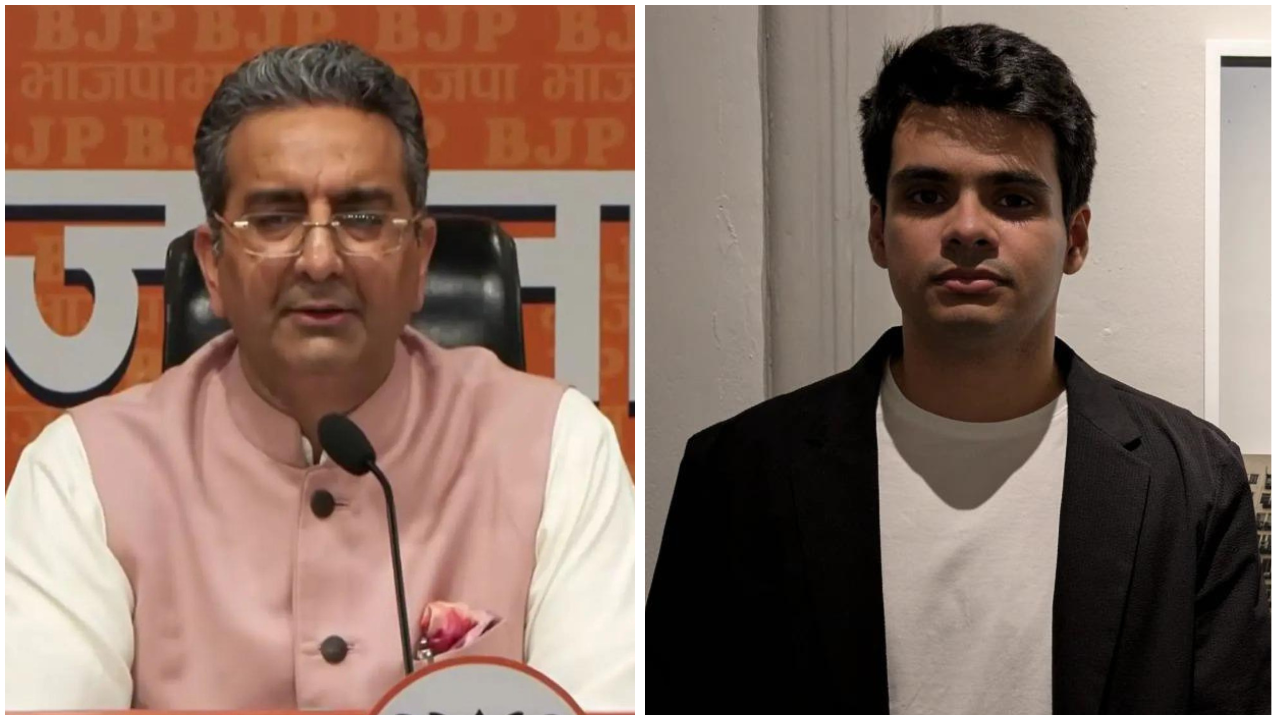
‘Rahul Gandhi, Raihan Vadra’: BJP takes 'launch' jibe as photo exhibition row escalates
Top stories
‘Rahul Gandhi, Raihan Vadra’: BJP takes 'launch' jibe as photo exhibition row escalates
Russia News
Live Events
‘Rahul Gandhi, Raihan Vadra’: BJP takes 'launch' jibe as photo exhibition row escalates