


Brent crude holds near $110 a barrel following drone strike on Saudi Aramco facility
Global crude benchmarks remain elevated as a confirmed drone attack on a Saudi oilfield and ongoing regional hostilities intensify supply concerns across West Asia.
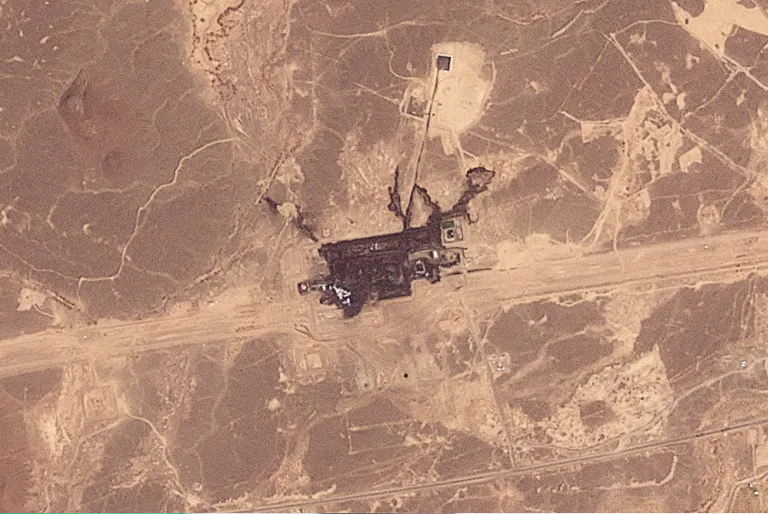
NEW DELHI: Oil prices remained elevated near $110 a barrel on Thursday following a confirmed drone strike on a Saudi Aramco facility, which has intensified supply concerns amid the ongoing conflict in West Asia. The geopolitical risk premium continues to support global crude markets as regional shipping routes face persistent disruptions.
The escalation follows a drone attack on Saudi Aramco’s Shaybah oilfield. According to the Saudi energy ministry, the strike resulted in two fatalities, though operations at the site remained unaffected. Yemen’s Iran-aligned Houthi militants claimed responsibility for this and several other attacks targeting Saudi energy, military, and airport infrastructure, including sites in Yanbu, Riyadh, and Abha. In a separate incident, a Houthi attack on a security forces training camp in Yemen’s Shabwa province killed 58 people and injured over 200, heightening fears over regional stability.
Brent crude futures traded around $110.09 a barrel in early Asian trade, while US West Texas Intermediate (WTI) was quoted near $98, as reported by CNBC TV18. This marks a substantial increase for the global benchmark, which has surged approximately 80 per cent this year. Meanwhile, ING analysts noted in a briefing that "oil prices remain well-supported" and the market is "pricing in a significant risk premium", adding that this premium would likely erode only if commodity flows continue uninhibited. In the shipping sector, at least 18 vessels were reportedly attacked over a two-week period, keeping the risk premium intact, according to shiptracker Kpler.
The supply squeeze extends beyond crude oil to refined products, with diesel prices experiencing the sharpest gains. While crude shipments have largely recovered to pre-war levels as tankers evade detection by switching off transponders, refined product exports remain constrained. Compounding the tight market are ongoing Ukrainian strikes on Russian refineries and intensified Houthi and Iranian actions in the Strait of Hormuz. To mitigate domestic price pressures ahead of the US midterm elections, the American government is drawing on strategic stockpiles, and US distillate inventories recently rose by nearly 20 lakh barrels, providing slight relief to the diesel market. Furthermore, Russia is moving to supply the US directly, with a tanker carrying 300,000 barrels of Russian diesel scheduled to depart for America.
Looking ahead, market watchers are monitoring potential further escalations, with reports indicating that the US and Israel have formulated plans for additional strikes against Iran following the American midterms. Until a diplomatic resolution emerges in the wider regional conflict, energy markets are expected to remain highly sensitive to any disruptions in West Asian supply chains.
Latest




Top stories






‘Rahul Gandhi, Raihan Vadra’: BJP takes 'launch' jibe as photo exhibition row escalates
Russia News






Live Events