

GM targets two-year vehicle development cycle using AI and software
General Motors aims to cut vehicle development times in half by leveraging artificial intelligence and advanced software, targeting a two-year cycle for new models.
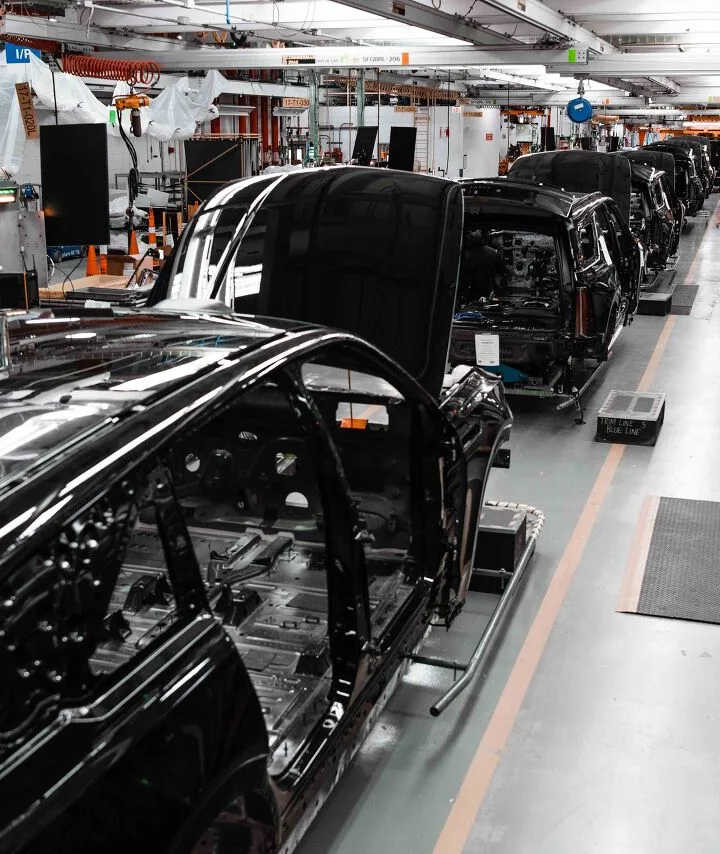
DETROIT: General Motors is targeting a roughly two-year vehicle development cycle, aiming to halve its traditional timelines by expanding its use of artificial intelligence, simulation tools, and vehicle software. The Detroit-based automaker announced it will also upgrade its compute power forty times to support this accelerated approach to vehicle design and engineering.
The strategic pivot was detailed during the company’s tech-focused 'Onward' event, where leadership pitched the automaker's transformation into an agile, software-defined technology company. This shift aligns with broader industry trends, as major global automakers double down on investments in software development to make cars increasingly connected and software-reliant.
At the core of this transformation is the transition to software-defined vehicles (SDVs). Unlike traditional vehicles that remain largely unchanged after leaving the dealership, SDVs can receive over-the-air (OTA) updates, allowing them to gain new capabilities and improve over their lifetime. 'SDVs will allow consumers to update their vehicles in much the same way as they update their mobile phones,' noted Robin Milavec, Chief Technology Officer at Nexteer Automotive. General Motors has been advancing this vision through its Ultifi end-to-end software platform, which was introduced to enable enhanced connected car services and remote software upgrades.
Industry analysts highlight that the shift towards software-enabled features offers significant financial and operational benefits. Resolving software-related glitches remotely through OTA updates, rather than physical recalls, could save the global automotive industry approximately US$ 15 billion (around Rs 1.25 lakh crore) annually. Furthermore, advanced driver assistance and automated safety technologies aim to reduce human error, which remains a leading cause of traffic fatalities.
However, the rapid integration of AI and software into vehicle development presents notable challenges. The development of safety-critical features requires complex coordination among multiple entities, and ensuring the security of over-the-air updates is paramount. If software cannot be guaranteed as unmodified, ensuring the overall safety of the vehicle becomes difficult, adding layers of complexity to the development process. To manage this, the industry is increasingly relying on standardised software architectures and consolidated development tool chains to maintain speed, scale, and security.
Regulatory bodies are also adapting to these technological shifts. In the United States, the National Highway Traffic Safety Administration (NHTSA) has been updating its frameworks to address the safe testing and deployment of automated driving systems, emphasising a holistic approach to roadway safety. As General Motors and its peers strive to compress development cycles to just two years, the industry faces the critical task of balancing rapid software innovation with stringent safety validation and evolving regulatory standards.
Latest

Goldman, JPMorgan and Morgan Stanley capture 80% of Wall Street AI trading boom

Tesla and SpaceX form special committees to explore historic $3.5 trillion merger


Chinese equities enter bear territory following 20 per cent decline from June peak
Top stories






‘Rahul Gandhi, Raihan Vadra’: BJP takes 'launch' jibe as photo exhibition row escalates
Russia News






Live Events