



Houthi strikes hit eastern Saudi airport as Riyadh death toll reaches 12
A projectile strike on an eastern Saudi airport has left civilians dead, marking the latest escalation in a week of deadly Houthi attacks that also killed 12 in Riyadh.
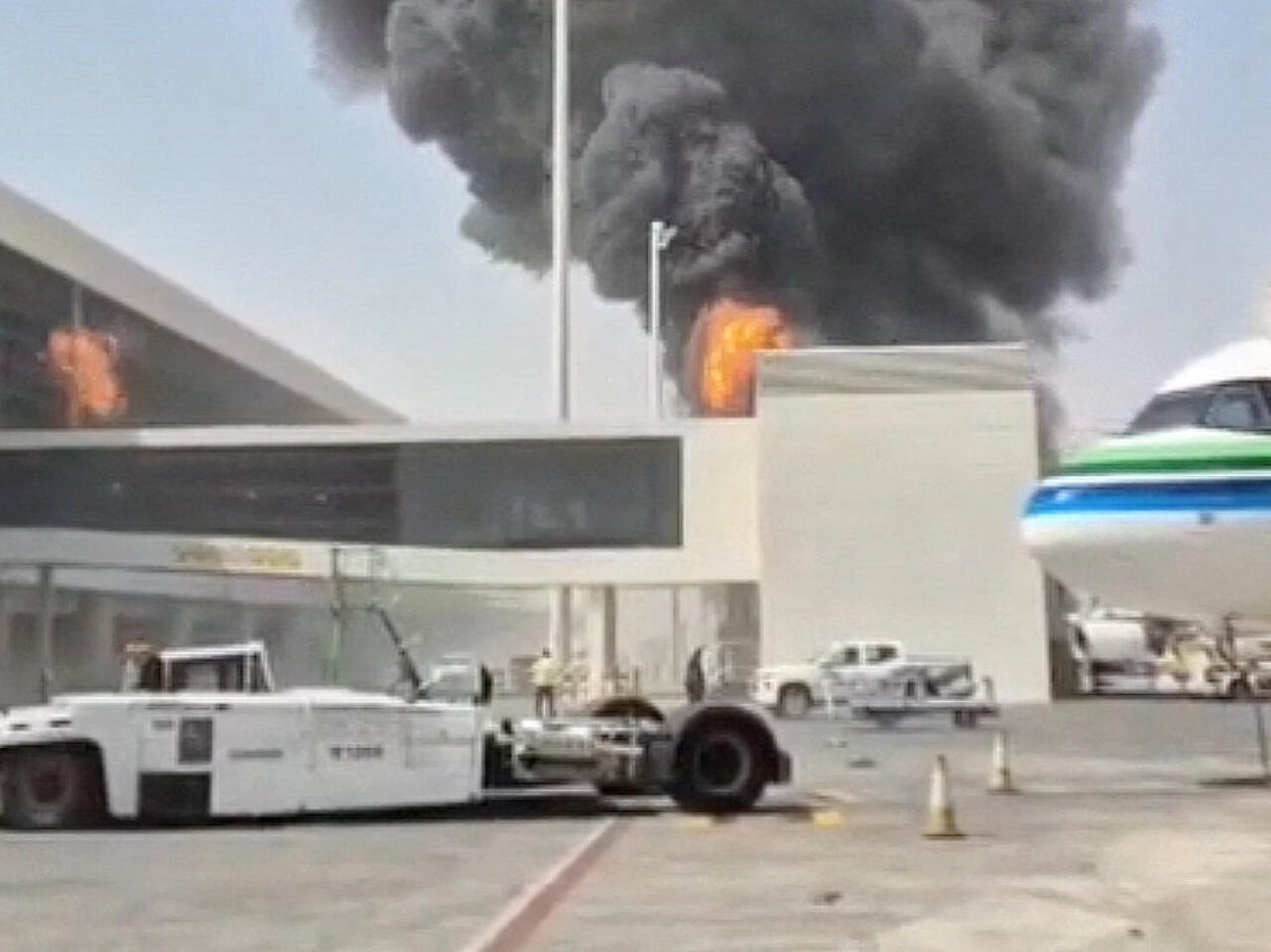
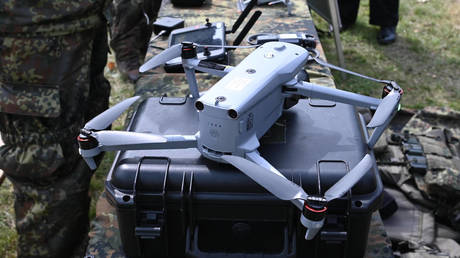
DAMMAM, SAUDI ARABIA: A projectile strike on King Fahd International Airport in Dammam, eastern Saudi Arabia, has resulted in civilian casualties, according to authorities. The incident is the latest in a rapid escalation of attacks by the Iran-backed Houthi movement targeting the kingdom's aviation and energy infrastructure.
The Dammam strike follows a series of assaults on Saudi airports over the past week. On Saturday, a projectile fell near the eastern airport, with some reports indicating one fatality and eight injuries, while other initial feed reports cited two deaths [1, 4]. This comes as the broader conflict intensifies; a separate, more lethal strike on King Khalid International Airport in the capital, Riyadh, on Saturday killed 12 people and injured over 300 [1, 5].
The Saudi-led military coalition has blamed the Yemen-based Houthis for the coordinated campaign, describing the Riyadh attack as a "full-fledged war crime". The casualties in Riyadh included four Saudi citizens, two Bangladeshis, and one each from the US, Jordan, Palestine, Syria, Sudan, and Egypt [1, 5]. US Secretary of State Marco Rubio confirmed the death of an American citizen, condemning the strikes.
Operations at King Khalid International Airport were suspended following the Riyadh strike, with flights diverted and western embassies urging citizens to avoid the area [1, 5]. The Houthis, who control much of Yemen, have claimed responsibility for several of the airport strikes, stating they are retaliating against a years-long Saudi blockade and recent coalition airstrikes on Sanaa airport [1, 3].
The surge in Houthi attacks represents a significant escalation in the regional conflict, effectively opening a new front that pressures a key US ally. The informal truce brokered in 2022 began to unravel in July, leading the Houthis to announce a "maritime embargo" against Saudi Arabia and launch missile and drone attacks on airports and oil facilities. By targeting civilian aviation hubs, the rebels are demonstrating their capacity to disrupt global shipping, a tactic mirrored in the Red Sea chokepoints. The strikes also complicate diplomatic efforts, prompting US President Donald Trump to indicate he is evaluating whether to join Saudi Arabia in military strikes against the Houthis.
The violence has also spilled over into regional waters. US Central Command reported that a fighter jet struck and disabled a commercial cargo vessel with a precision munition in the Gulf of Oman, part of efforts to maintain a naval blockade of Iranian ports. Meanwhile, residents in the rebel-held Yemeni capital of Sanaa reported heavy explosions as intense fighting between the Houthis and Saudi-backed government forces resumed.
As the Saudi-led coalition vows a firm response, the humanitarian and economic toll continues to mount. With schools in Riyadh shifting to remote learning for the second time in a month and international airlines cancelling flights, the kingdom faces a prolonged security challenge that threatens to further destabilise the Middle East [1, 3].
Latest




Top stories



‘Rahul Gandhi, Raihan Vadra’: BJP takes 'launch' jibe as photo exhibition row escalates
Russia News




Live Events