

Global tech rout loses steam as US markets shrug off AI debt fears
A severe selloff in Asian tech stocks driven by AI debt concerns failed to derail US markets, which rebounded as industry leaders dismissed the panic.
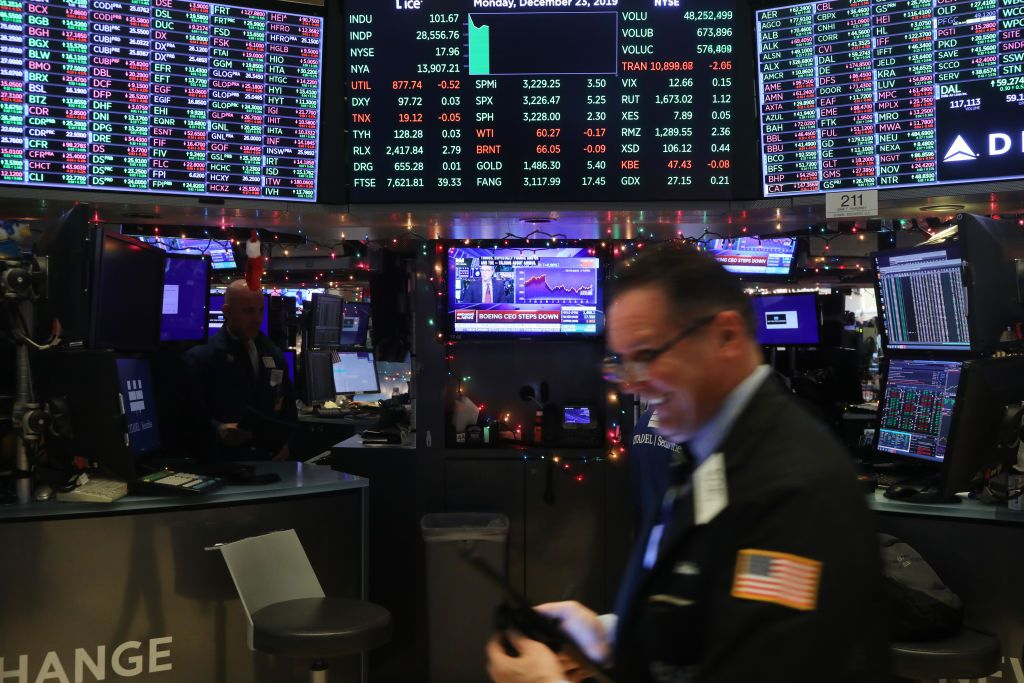
NEW YORK, US: Global technology and artificial intelligence stocks experienced significant turbulence this week, with Asian markets bearing the brunt of a severe selloff driven by mounting concerns over the debt-fuelled AI boom. However, the panic eventually lost its momentum, allowing US equity markets to shake off the global rout and close in positive territory.
The selloff was particularly acute in Asia, where fears regarding the circular financing powering the AI revolution triggered heavy losses. South Korea’s tech-heavy KOSPI index plummeted, losing up to 20 per cent of its value in a single week to hit a six-month low, including a 10 per cent drop in a single session. The index was dragged down by major chipmakers, with Samsung and SK Hynix witnessing steep declines of over 12 per cent. Japan’s Nikkei also suffered a sharp 5 per cent drop.
At the centre of the credit anxiety is the growing burden of debt behind the AI infrastructure buildout. Bonds issued by AI cloud computing firm CoreWeave fell below 80 cents on the dollar, a level typically considered distressed debt. Concurrently, the cost of insuring against defaults by major US AI companies soared to record levels. Despite this, US Treasuries saw some of their best days in months, benefiting from safe-haven inflows even as US producer price inflation came in hotter than expected.
In US trading, the initial ferocity of the tech selloff evaporated. While chip stocks fell for a seventh consecutive day and the Nasdaq 100 shed over 2 per cent at its lows, the broader market demonstrated resilience. The Dow Jones Industrial Average rose 1 per cent to its highest level in a month, and the S&P 500 also edged higher. Individual semiconductor names took a hit, with Intel, Micron, and AMD posting significant losses, while Nvidia also faced downward pressure.
Market analysts and industry leaders have largely dismissed the panic, framing the volatility as a temporary correction rather than a systemic crisis. Tom Hulick, CEO of Strategy Asset Managers, noted that there is ample liquidity in the system and strong earnings momentum, stating, "I don’t think we’re anywhere near some type of catastrophic failure in the markets". Dan Ives of Wedbush described the downturn as a routine "gut check moment" for the tech sector. Echoing this sentiment, Nvidia chief executive Jensen Huang shrugged off the global rout, advising investors not to panic and suggesting the dip presents a buying opportunity.
Looking ahead, the focus shifts to the upcoming US earnings season, where the technology sector will be under intense scrutiny. According to Deutsche Bank, the average tech rotation lasts about 67 days, and if the sector fails to meet high earnings expectations, investors may accelerate their shift into other segments of the market.
Top stories






Russia News




India Business News

India-China trade jumps 29% to $91.76 billion, China overtakes US as top partner



Assam achieves full rail electrification after Lumding hill section completed