Malaysia Airlines raises fares up to 30 per cent as fuel costs surge
Malaysia Aviation Group is cutting 8,000 flights and raising ticket prices by up to 30 per cent to offset a $900 million surge in operating costs driven by Middle East conflict.
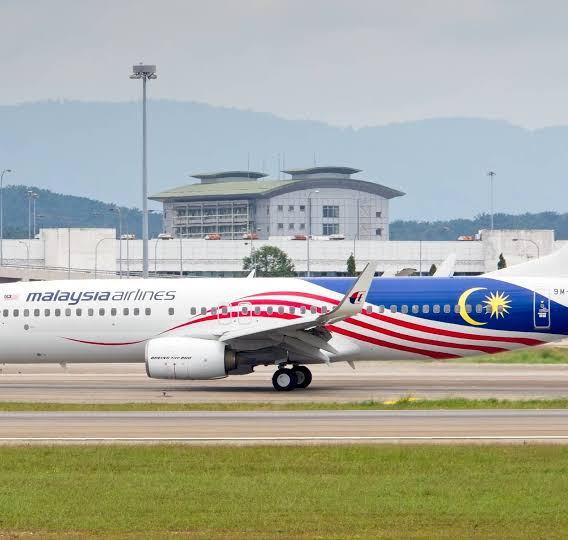
KUALA LUMPUR, MALAYSIA: Malaysia Aviation Group (MAG) is increasing airfares by 20 to 30 per cent and reducing flight capacity as soaring jet fuel prices add nearly $900 million to its operating expenses. The carrier is also cutting approximately 8,000 flights in 2026 to manage the financial impact of the significant fuel cost surge.
The cost burden stems from geopolitical tensions that escalated in late February, causing jet fuel prices to more than double. Before the conflict, fuel prices were below $100 per barrel, but they surged to approximately $227 per barrel following the outbreak of hostilities in the Middle East on February 28. Consequently, fuel now accounts for 55 to 57 per cent of the group’s total operating costs, a sharp increase from the 30 to 40 per cent range observed prior to the price spike.
Group CEO Captain Nasaruddin A. Bakar stated that the fuel price increase alone has added close to $900 million to the company's costs. In local currency terms, the group is facing up to RM7.5 billion in additional expenses. Addressing the mitigation strategy, he said, “As a group, one of the things we have done is optimise our spending. We are being very disciplined in our spending this year, in particular”. MAG has also hedged around 36 per cent of its fuel requirements for 2026 and is evaluating extending this strategy into 2027.
India remains a crucial market for the airline, contributing 10 to 11 per cent of the group’s total revenue. Malaysia Airlines operates roughly 80 weekly flights to 10 Indian cities. In the first half of 2026, about one million passengers travelled to and from India on the carrier, marking a 10 to 13 per cent year-on-year growth. The load factor across its Indian stations is currently between 91 and 93 per cent.
Captain Nasaruddin highlighted that the premium segment is growing by about 15 per cent annually, while the corporate market is seeing 30 to 40 per cent year-on-year growth. He noted that while he wants India’s contribution to increase significantly, aircraft availability and airport slots remain constraints on further expansion.
The fare adjustments align with broader industry trends, as the International Air Transport Association (IATA) has warned that global jet fuel costs are expected to account for 31.4 per cent of total airline operating expenses in 2026, up from 25.4 per cent in 2025. While MAG is attempting to offset these pressures through fleet modernisation—having ordered 95 new aircraft to improve fuel efficiency by 12 to 15 per cent—the immediate financial strain remains substantial.
Looking ahead, the group plans to expand its fleet by about 20 per cent over the next seven to eight years, though expansion will be carefully calibrated based on aircraft availability and route economics. As the airline navigates this volatile pricing environment, travellers booking flights to and from India should anticipate higher ticket prices and reduced last-minute availability.
Latest



Top stories




Russia News


India Business News

India-China trade jumps 29% to $91.76 billion, China overtakes US as top partner



Assam achieves full rail electrification after Lumding hill section completed