



High Museum of Art in Atlanta marks centennial of cultural evolution
A century after opening in a donated Peachtree Street residence, the High Museum of Art has expanded into a multi-building campus, marking 100 years of community engagement and collection growth.
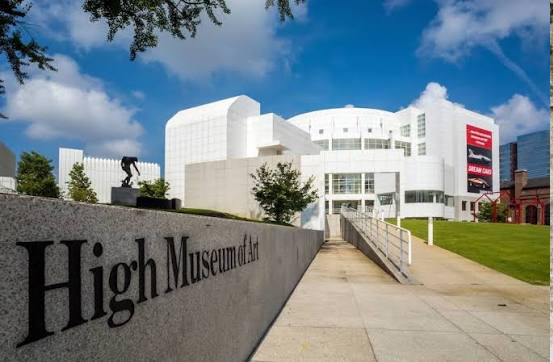
ATLANTA, US: The High Museum of Art in Atlanta is observing its centennial, marking 100 years since it first opened to the public in 1926. What began as a single donated residential property has since evolved into a prominent cultural institution in the southeastern United States, housing an extensive collection and serving as a civic anchor for the city.
The institution was originally chartered in 1905 as the Atlanta Art Association to promote fine arts and establish an art school. Its first permanent home was secured in 1926 when Harriet 'Hattie' High donated her family residence on Peachtree Street, prompting the renaming of the association in her honour. Within two years, the museum began offering art classes, fulfilling the educational vision of its founders and graduating its first class in 1931.
The museum’s collection expanded steadily through significant private bequests. In 1949, the family of J.J. Haverty donated 25 pieces of American art, establishing a strong foundation for the museum's holdings. This was followed by a 1958 gift of 29 Renaissance and Baroque works from the Samuel H. Kress Foundation, which necessitated the construction of a new climate-controlled building that opened in 1955.
A pivotal moment occurred in 1962 when 106 Georgia arts patrons perished in the Orly plane crash near Paris, an event that led to the formation of the Atlanta Arts Alliance and the 1968 opening of the Atlanta Memorial Arts Center. Subsequent decades saw massive physical and financial growth. In 1979, Coca-Cola executive Robert Woodruff proposed a challenge grant of approximately Rs 63 crore ($7.5 million), which helped the museum raise Rs 167 crore ($20 million) for a new facility designed by architect Richard Meier, which opened in 1983.
In 2005, a Rs 1,035 crore ($124 million) expansion designed by Renzo Piano added three new buildings, increasing the gallery space to 93,800 square feet. Today, the museum's official records indicate a collection of more than 20,000 works, encompassing American, European, African, and contemporary art. An older state encyclopedia entry previously cited the collection at 11,000 objects, reflecting the institution's significant recent growth.
The trajectory of the High Museum illustrates the shifting role of art institutions from static repositories to active community hubs. As noted by the City of Atlanta, the museum's century-long presence has been instrumental in uniting diverse neighbourhoods and providing educational opportunities across generations. This aligns with broader data indicating that museums serve as critical economic and social engines, generating substantial tax revenue and fostering civic identity.
As the High Museum enters its second century, it continues to build upon its foundational commitment to art education and community access. The integration of its historic roots with contemporary architectural expansions positions the institution to remain a central pillar of Atlanta's cultural landscape for the foreseeable future.
Latest



Top stories


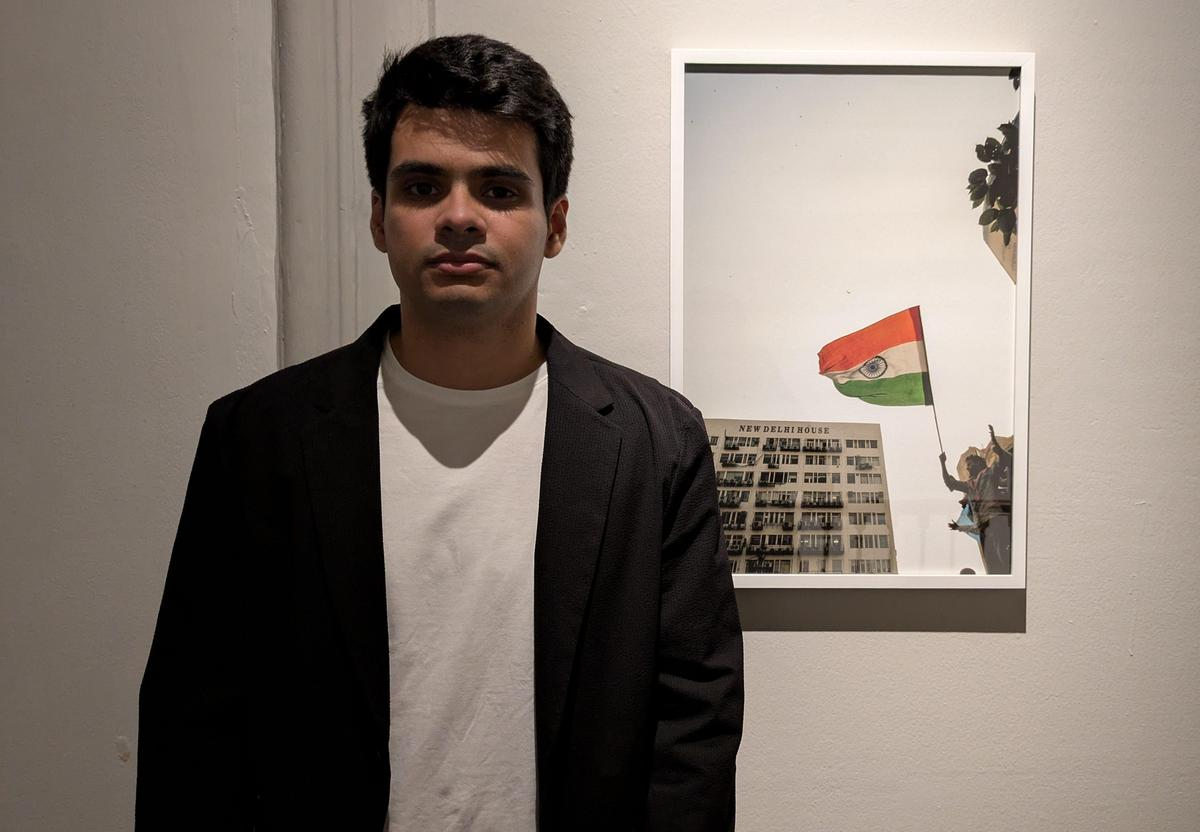


‘Rahul Gandhi, Raihan Vadra’: BJP takes 'launch' jibe as photo exhibition row escalates
Russia News






Live Events