
Tesla and SpaceX form special committees to explore historic $3.5 trillion merger
Independent boards of the two Elon Musk-led companies have formed special committees to evaluate a potential combination, which would create the largest corporate entity in history.
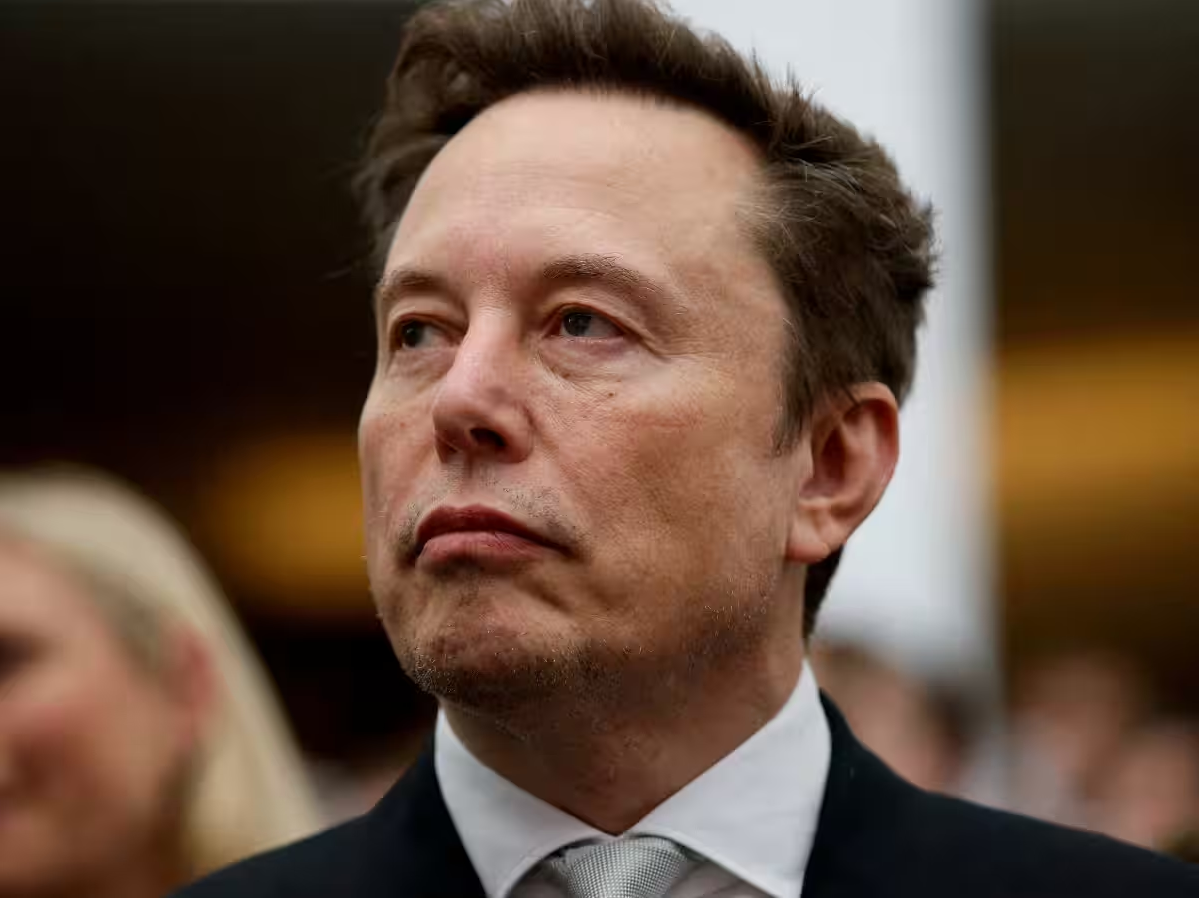
AUSTIN, US: Tesla and SpaceX have established independent special committees to explore a potential merger, a move that would create a $3.5 trillion (approximately Rs 290 lakh crore) entity and mark the largest corporate combination in history [2, 4]. The discussions, confirmed by chief executive Elon Musk during a recent earnings call, aim to unite electric vehicle manufacturing with aerospace and artificial intelligence capabilities [1, 2].
The potential tie-up comes as both companies, already financially intertwined through a $2 billion investment by Tesla in SpaceX, look to consolidate their technological assets. Musk, who holds roughly a 20 per cent stake in Tesla and 45 per cent of SpaceX, described himself as a "conflicted party" and noted he cannot participate in the committee discussions. The committees were formed at the request of shareholders to evaluate the synergies between Tesla’s automotive and robotics divisions and SpaceX’s satellite, rocket, and data centre operations [2, 4].
At recent closing prices, the combined market valuation would stand at approximately $3.5 trillion, with SpaceX valued at $2 trillion and Tesla at nearly $1.5 trillion. For the deal to proceed, it requires the backing of a majority of all outstanding Tesla shares, a threshold Musk acknowledged as "quite a high hurdle". During the third-quarter earnings call, SpaceX reported a 161 per cent surge in revenue to $14.58 billion, with its newly renamed Super Intelligence AI division generating $7.56 billion. Meanwhile, Tesla reported third-quarter sales of $28.05 billion, reflecting a slight dip from the previous year.
Industry analysts suggest the merger would primarily serve Musk’s broader ambitions, including his stated goal of colonising Mars, by centralising control over his AI and infrastructure strategies. "The deal itself doesn’t add to Musk’s wealth, but it concentrates it further in one stock," noted Dan Sheehan, an investment analyst at Telos Wealth Advisors. However, experts caution that automotive manufacturing could become secondary to AI infrastructure within the combined entity, especially as Tesla faces intensifying competition from Chinese EV makers like BYD. Furthermore, the unprecedented scale of the merger could invite heightened regulatory scrutiny, particularly depending on the outcomes of the upcoming US midterm elections.
While Musk expressed optimism about the collaboration, he cautioned that assuming a merger is a certainty would be "overstating it". The special committees continue their evaluations, and any formal proposal will eventually be presented to shareholders for a decisive vote, leaving the final structure and timeline of the corporate combination uncertain [2, 4].
Latest
Chinese equities enter bear territory following 20 per cent decline from June peak
Top stories
‘Rahul Gandhi, Raihan Vadra’: BJP takes 'launch' jibe as photo exhibition row escalates
Russia News
Live Events
‘Rahul Gandhi, Raihan Vadra’: BJP takes 'launch' jibe as photo exhibition row escalates