

The $11.6 Billion Campaign: How Record Ad Spending is Reshaping the 2026 Midterm Battlegrounds
WASHINGTON, D.C. — With Election Day rapidly approaching, the 2026 US midterm elections have shattered previous financial records, evolving into a high-stakes battle defined by unprecedented political advertising. Total midterm ad spending has already crossed the $10 billion threshold and is projected to hit a staggering $11.6 billion by the time voters head to the polls, surpassing even recent presidential election cycles.
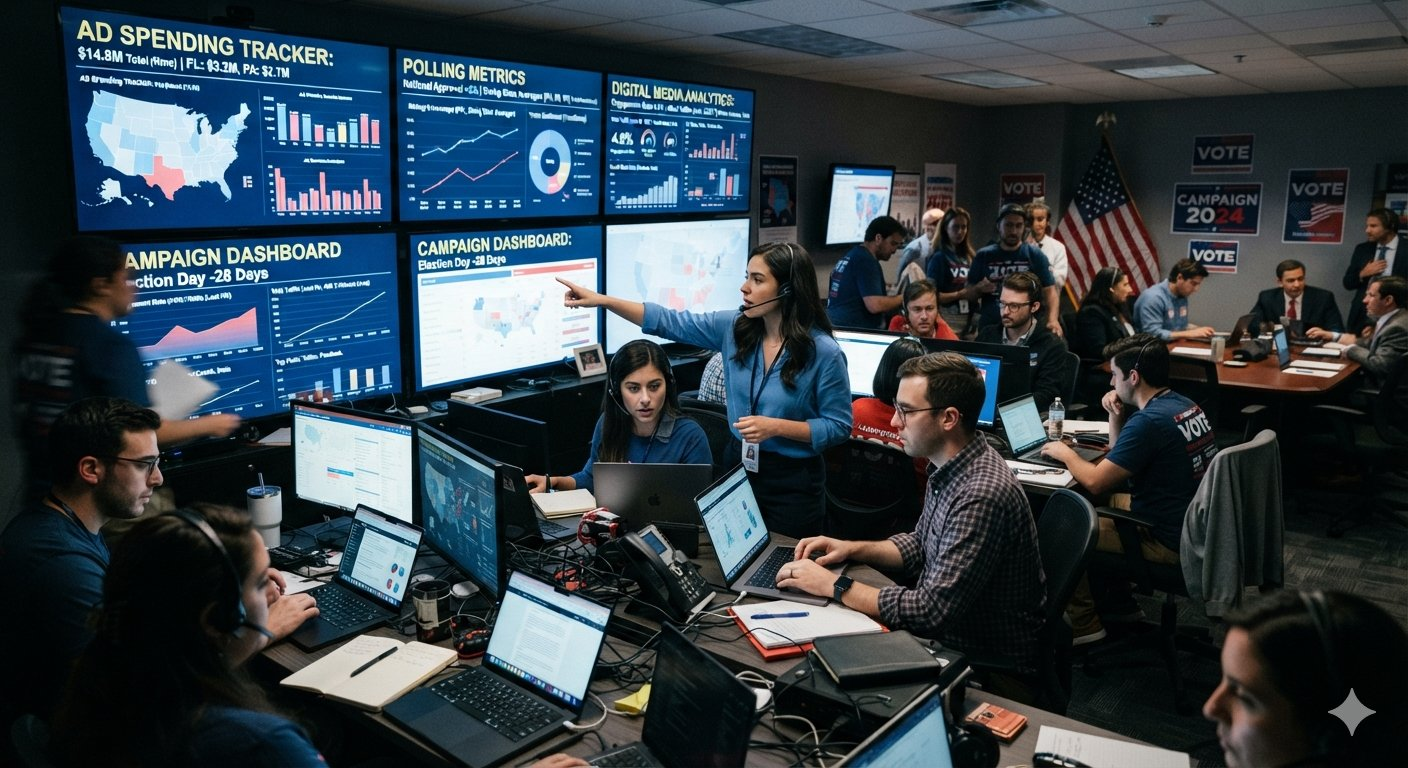
WASHINGTON, D.C. — With Election Day rapidly approaching, the 2026 US midterm elections have shattered previous financial records, evolving into a high-stakes battle defined by unprecedented political advertising.
Total midterm ad spending has already crossed the $10 billion threshold and is projected to hit a staggering $11.6 billion by the time voters head to the polls, surpassing even recent presidential election cycles.
The Senate landscape is currently dominated by two financial behemoths: Texas and Ohio.
In Texas, the highly competitive Senate race between Democratic State Rep. James Talarico and Republican Attorney General Ken Paxton has topped $500 million in combined ad spending.
This relentless barrage of television and digital advertisements has driven up media costs significantly, with thirty seconds of prime airtime in the state now costing upwards of $12,000.
Meanwhile, the fiercely contested Ohio Senate race has also seen a massive influx of political capital, with campaigns and outside groups pouring more than $450 million into the airwaves.
This historic spending includes significant contributions from billionaire-backed super PACs aiming to sway the critical Rust Belt state, turning local races into national proxy wars.
While the Senate races grab the headlines for their sheer financial scale, the battle for control of the House of Representatives is equally fierce, concentrated in a handful of key swing states.
Districts in Pennsylvania, Colorado, New York, and Washington have emerged as the premier House battlegrounds for this cycle.
In states like New York and Pennsylvania, razor-thin margins in previous elections have prompted both parties to heavily invest in suburban and exurban districts that could ultimately tip the balance of power in the lower chamber.
Political analysts note that this record-breaking spending is heavily fueled by "dark money" and ultra-wealthy donors who are increasingly bypassing traditional party committees to fund independent expenditure groups.
Furthermore, a significant and growing portion of this $11.6 billion war chest is shifting toward digital and streaming platforms, allowing campaigns to micro-target undecided voters with unprecedented precision.
As the final weeks of the campaign unfold, the sheer volume of political advertising is expected to intensify across all major media markets.
For voters in Texas, Ohio, and key House districts, the airwaves will remain saturated with competing messages, underscoring a midterm cycle where financial firepower is proving to be just as critical a factor as the political issues at stake.
Latest

Top stories



Russia News
Live Events