



Cotton prices cross Rs 9,260 a quintal in Adilabad as El Nino threatens yields
Cotton rates in Adilabad have surged above the Minimum Support Price, but prolonged dry weather and El Nino conditions raise concerns over crop productivity and overall farmer returns.
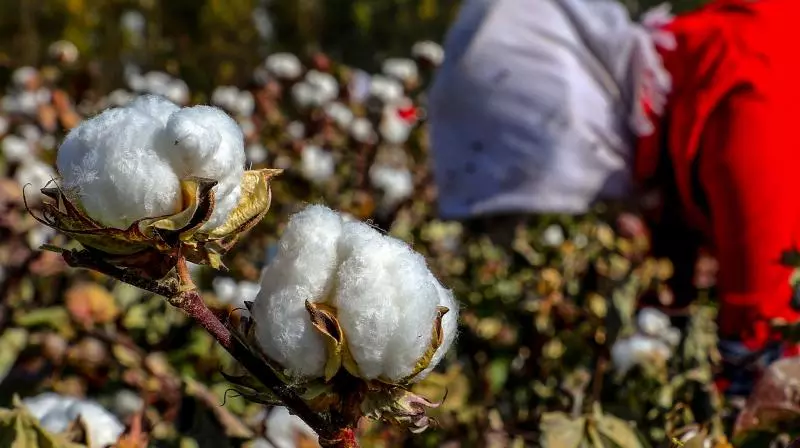
HYDERABAD: Cotton farmers in Telangana’s Adilabad district are witnessing a significant surge in market rates, with prices crossing Rs 9,260 per quintal, even as the ongoing El Niño-induced dry spell threatens to severely impact crop yields and overall returns. The price rally offers a financial boost at the peak of the marketing season, but agrarian distress is mounting due to prolonged dry weather that is affecting crop productivity across the region.
The sharp increase in cotton prices in Adilabad, a major cotton-growing belt, marks a substantial turnaround from earlier in the month. As reported by The Times of India, traders offered up to Rs 9,260 per quintal for long-staple cotton on October 22, which is well above the Minimum Support Price (MSP) of Rs 8,667 per quintal fixed for the 2026-27 season. This represents a steep climb from Rs 7,450 per quintal recorded on October 5, with prices steadily rising through the third week of October.
Despite the favourable market rates, the physical condition of the crop remains a primary concern. Farmers in several parts of the district report that cotton plants are withering and bolls are bursting prematurely due to inadequate soil moisture. Adilabad district collector Rajarshi Shah stated that the administration has identified 33 ginning mills and 18 procurement centres to handle the expected arrivals from the 4.37 lakh acres under cotton cultivation in the district. He added that arrangements had been made to ensure hassle-free procurement for farmers.
However, institutional procurement has faced initial hurdles. The Cotton Corporation of India (CCI) did not commence purchases on the opening day, reportedly citing high moisture content in the harvested produce. While private traders are currently offering rates above the MSP, the absence of CCI intervention could become a concern if market prices soften or if the produce fails to meet standard procurement quality norms.
The impact of the dry spell is not uniform across the district. Agricultural observations indicate that black soil regions, which retain moisture for longer periods, are faring relatively better than areas dominated by red soils. This localized agrarian challenge is part of a broader global pattern. Climate bodies warn that the Super El Niño forecast for 2026-2027 is altering weather patterns, with droughts highly likely in the Indian subcontinent, threatening harvests and agricultural livelihoods. Globally, the phenomenon is already contracting yields; for instance, market intelligence indicates that Brazil's cotton production is projected to fall despite an expansion in planted acreage due to dryness in its main growing regions.
Farmers remain hopeful that the strong market prices will help offset any production losses and protect their incomes for the season. Yet, with weather conditions remaining highly uncertain and agriculture officials preparing preliminary reports on drought conditions, the ultimate realization of these financial gains depends entirely on the skies. A timely spell of rain is now viewed as crucial to protect the standing crops and ensure that the current price rally translates into tangible economic relief for the growers.
Latest




Top stories

Russia News






Live Events