


MEA Condemns Saudi Infrastructure Attacks; One Indian Killed
India condemns drone strikes on Saudi airport and oil field that left one Indian dead and three injured, urging immediate regional peace.
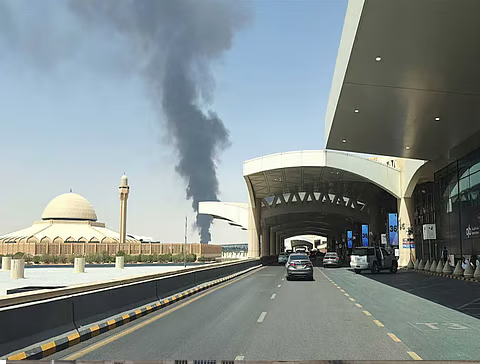
NEW DELHI: India has strongly condemned the recent drone attacks on civilian and energy infrastructure in Saudi Arabia, which resulted in the death of one Indian national and injuries to three others. The Ministry of External Affairs (MEA) expressed solidarity with the Kingdom and called for an immediate restoration of peace in the region.
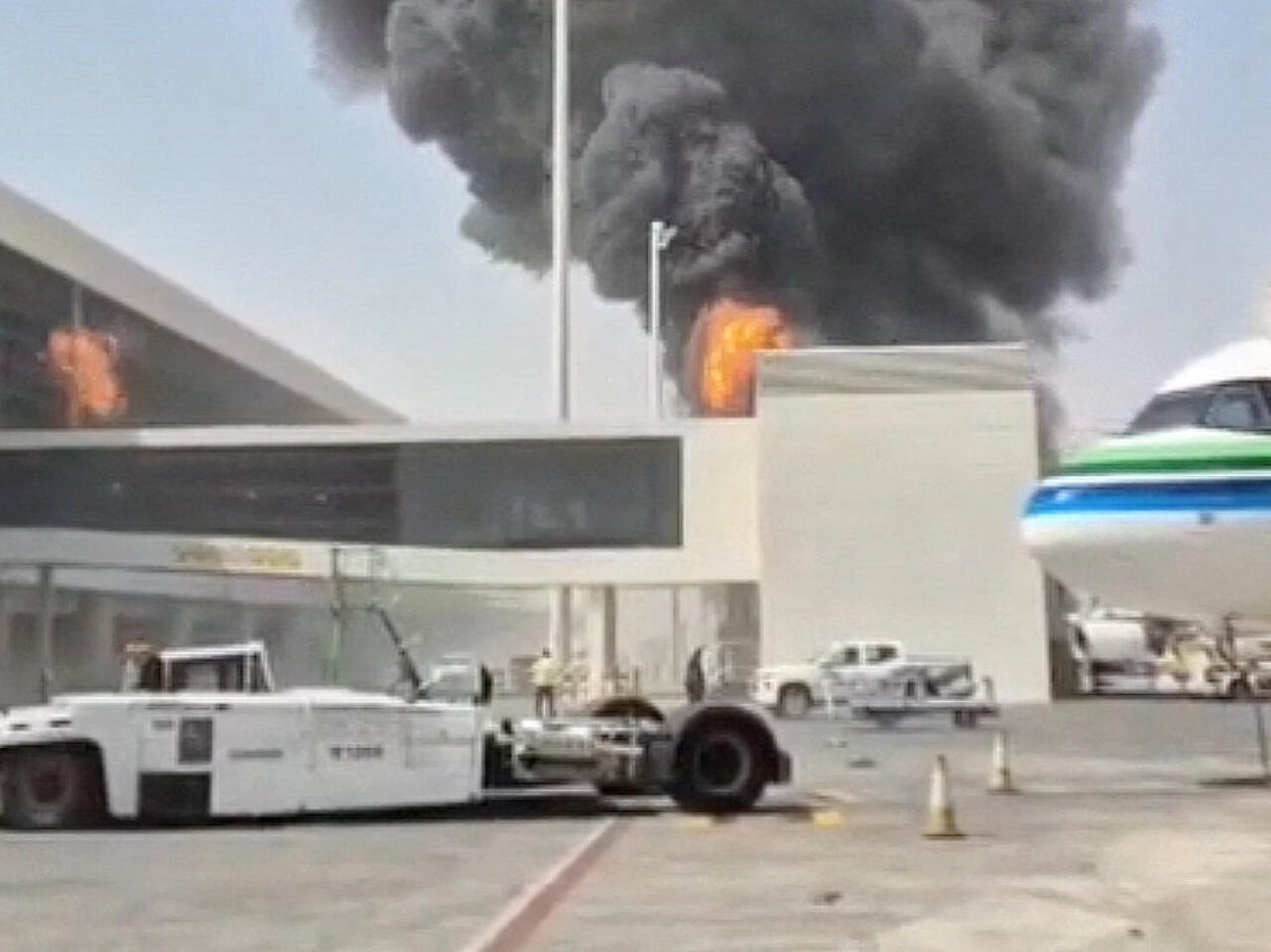
The condemnation follows the October 21 strikes on King Fahd International Airport in Dammam and Saudi Aramco's Shaybah oil field in the Eastern Province. The MEA confirmed that one Indian citizen was killed and two others sustained injuries at the Dammam airport, while another Indian national was injured at the Shaybah facility. The Indian Embassy in Riyadh is currently in contact with Saudi authorities to provide all possible assistance to the affected individuals and their families.
This incident is part of a broader pattern of escalating security threats across the region's critical infrastructure. Earlier in the month, the MEA condemned an attempted drone attack near the holy city of Mecca, which was successfully intercepted by the Royal Saudi Air Defence Forces before entering prohibited airspace. MEA spokesperson Randhir Jaiswal described the attacks on Saudi sovereign territory as "totally unacceptable" and warned that they undermine regional peace and threaten freedom of navigation through the Bab el-Mandeb strait.
The security concerns extend to maritime corridors as well. India recently condemned a projectile strike on the Panama-flagged commercial vessel MT On Peace in the Strait of Hormuz, which left 17 Indian seafarers among the injured. Furthermore, the UK Maritime Trade Operations reported an incident where a commercial tanker was forced to turn around after being threatened by Iran’s Islamic Revolutionary Guard Corps near Khasab, Oman.
The recurring targeting of economic and transit assets highlights the vulnerability of global energy supply chains to regional conflicts. For India, the implications are significant given its heavy reliance on energy imports from West Asia and the substantial expatriate workforce residing in the Gulf. External Affairs Minister S. Jaishankar addressed these vulnerabilities during a meeting with his Saudi counterpart on the sidelines of the BRICS Summit, where the Houthi situation and regional security were discussed. Speaking at the 81st United Nations General Assembly, Dr. Jaishankar noted, "New challenges in the maritime domain have added to longstanding ones on land," adding that attacks on commercial shipping are "completely unacceptable".
In response to these compounding threats, New Delhi has joined Liberia and 23 partner nations in an international coalition to defend commercial shipping routes. The MEA has consistently reiterated its call for an immediate cessation of hostilities, maintaining that safeguarding civilian lives and critical infrastructure is paramount to ensuring that peace and normalcy return to the region at the earliest.
Latest

Top stories

Russia News


Live Events