
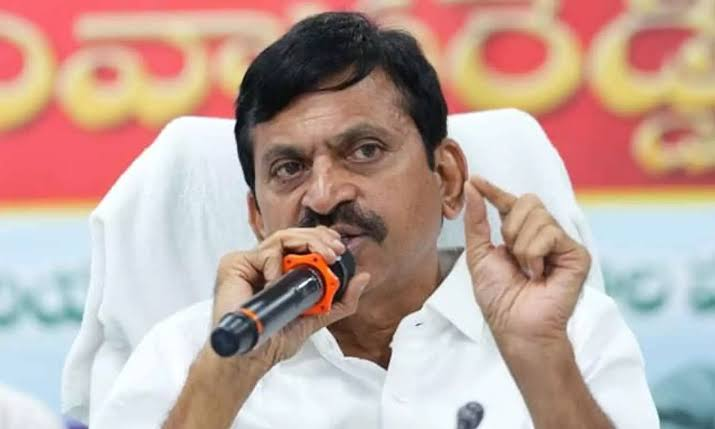


Kerala to form special committee with trade unions to review Labour Codes
The state government will consult 22 trade unions to frame state-specific rules for the central Labour Codes, with a special committee tasked to submit its recommendations within 10 days.
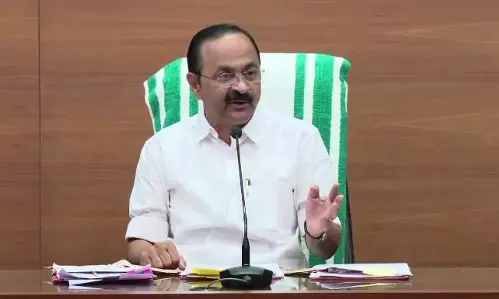
THIRUVANANTHAPURAM: The Kerala government has decided to constitute a special committee comprising trade union representatives to examine the implementation of the central Labour Codes and frame state-specific rules. Chief Minister V D Satheesan announced the decision following a high-level meeting at the Secretariat, emphasizing that the state's primary objective is to protect workers' interests within the legal framework.
The initiative comes as the state reviews the draft rules for the Industrial Relations Code, which were initially notified in December 2021. The state's existing framework is largely based on the Industrial Disputes (Central) Rules, 1957, which govern works committees and dispute resolution. During the recent meeting, which was also attended by Labour Minister Bindu Krishna, representatives from 22 trade unions participated to voice their concerns regarding the new labour legislations. The Chief Minister assured the unions that a final decision on implementing the Codes would only be taken after thoroughly examining the legal aspects and hearing all stakeholders.
The newly formed committee is mandated to submit its practical recommendations within 10 days of its formation. It will be convened by the Labour Department Secretary and include the Additional Secretary of the Law Department, seven representatives from various trade unions, and other Labour Department officials. To ensure inclusivity, the draft recommendations prepared by this committee will be shared with all trade unions, and other unions will be permitted to attend the committee's meetings to present their views.
A major point of contention discussed during the meeting was the threshold prescribed for defining workers under the central Labour Codes. The state government plans to formally bring this concern to the attention of the Central Government and urge it to lower the threshold to ensure broader coverage for the workforce. Chief Minister Satheesan expressed his hope that the labour rules finalized by Kerala would serve as a model for the country.
Trade unions, which historically organize workers to negotiate wages and conditions, have been vocal about the new codes. The move highlights the balancing act the Kerala government faces in aligning with central labour reforms while safeguarding the interests of its highly unionized workforce. By involving trade unions directly in the rule-framing process, the state is attempting to ensure that the transition to the new Codes does not dilute existing worker protections. The focus on the worker definition threshold underscores the friction between state-level labour welfare priorities and the central government's push for uniform labour regulations.
Going forward, the state will finalize and publish the rules under the Labour Codes based on the special committee's report and the suggestions gathered from the trade unions. All participating unions have expressed a unified stance on the necessity of protecting workers' rights, setting the stage for a collaborative rollout of the new labour regulations in the state.
Latest


Top stories
Russia News



Live Events