

Arab parties may hold balance of power in tightly contested Israeli election
With neither major bloc projected to secure a parliamentary majority, Arab-led lists could dictate the formation of Israel's next government as community turnout surges.
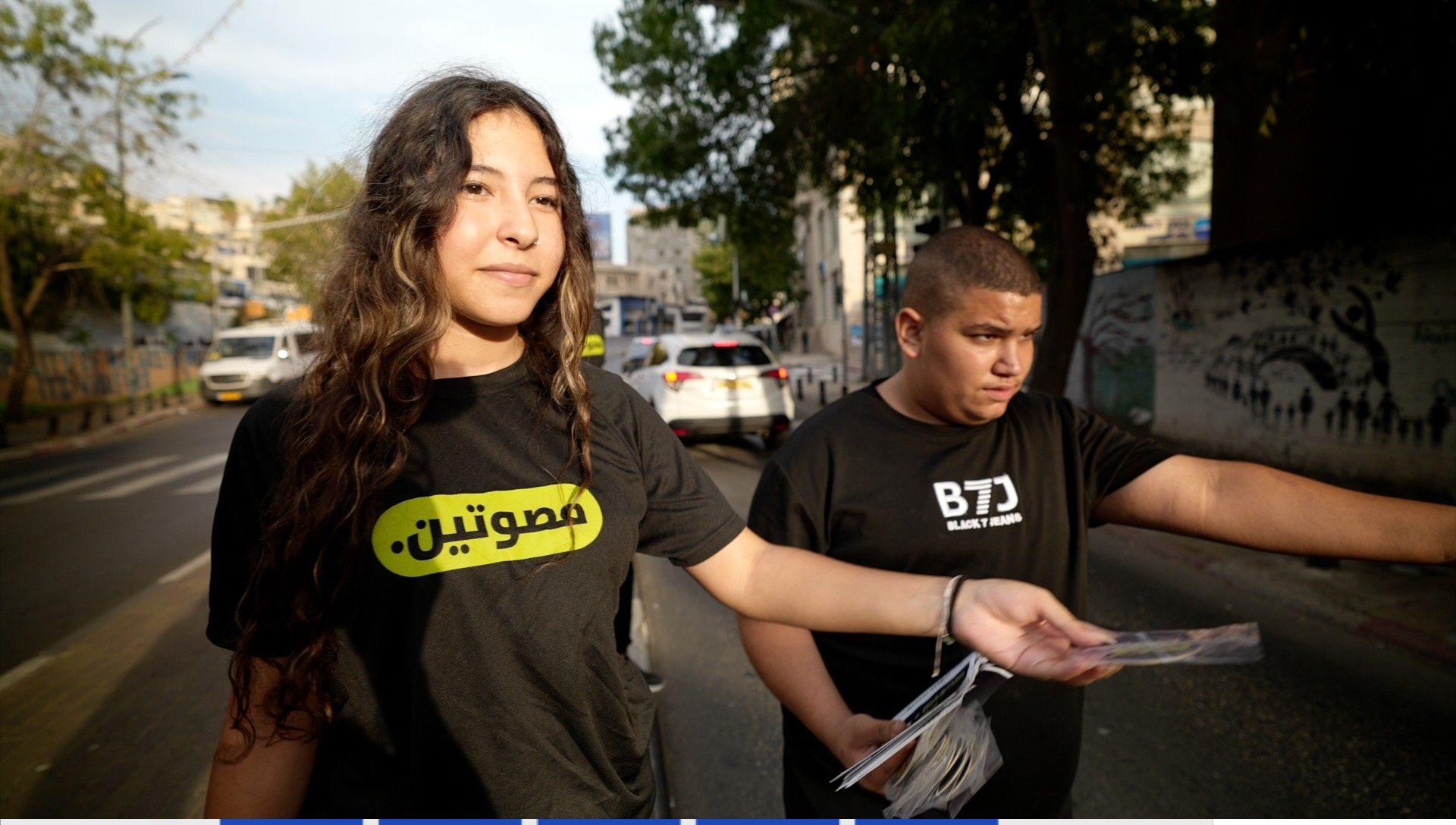
NAZARETH, ISRAEL: Arab-Israeli political parties are poised to play a decisive role in the upcoming Israeli general election on October 27, as neither the ruling right-wing bloc nor the opposition appears on track to secure a parliamentary majority [1, 4]. Driven by dissatisfaction with the current government and rising concerns over community security, voter mobilisation efforts are intensifying among the Arab minority, who make up roughly a fifth of the population [1, 4].
The 120-member Knesset requires a minimum of 61 seats to form a government. With both Prime Minister Benjamin Netanyahu’s coalition and the centre-right Change Bloc, led by Gadi Eisenkot, projected to fall short of this threshold, Arab-led lists—specifically Ra’am and the Joint List—could hold the critical balance of power [1, 4]. Historically, voter turnout among Arab Israelis has fluctuated between 45 and 65 per cent, often lower than the national average of 70 per cent, due to political disaffection. However, this election has seen a strong push to unseat what is described as the most right-wing governing coalition in the country's history.
The electoral landscape was complicated in September when the Central Elections Committee attempted to disqualify both Ra’am and the Joint List, alleging they supported armed struggle and rejected Israel's character as a Jewish state [4, 5]. The Supreme Court overturned these bans on October 2, allowing the parties to contest. In the previous 2022 election, Ra’am won five seats and the Joint List secured five, while the Balad party failed to cross the 3.25 per cent electoral threshold. To broaden their appeal, Ra’am leader Mansour Abbas recently appointed centrist Jewish-Israeli politician Yoav Segalovitz as his deputy.
The political climate for Arab Israelis has grown increasingly tense following the October 7, 2023, Hamas-led attacks and the subsequent war in Gaza [1, 4]. Community leaders report heightened hostility and systemic discrimination. "After October 7, we were treated as enemies of this country," said Suha Salman Mousa of the Mossawa Centre, an advocacy group in Nazareth. Furthermore, far-right Finance Minister Bezalel Smotrich has vowed to "Judaise" the northern Galilee and southern Negev regions, drawing sharp criticism from Arab representatives [1, 4].
For many Arab voters, internal security is a paramount concern that transcends traditional geopolitical alignments. During a Knesset committee discussion in February 2026, a police representative noted that 241 of the 309 murder victims recorded in 2025 were from the Arab sector. An Israel Democracy Institute poll indicates that over 50 per cent of Arab-Israeli respondents consider gang violence the most critical issue influencing their vote.
As the October 27 poll approaches, the Netanyahu campaign has utilised billboards and AI-generated videos to warn against a "dangerous government" reliant on Arab support. Ultimately, the influence of Arab parties will depend not just on their seat count, but on whether mainstream Jewish parties are willing to negotiate with them to reach the 61-seat threshold.
Latest
Top stories

Russia News
Live Events