



US warns EU of severe retaliation over proposed Starlink spectrum curbs
Washington cautions Brussels against reserving satellite frequencies for local firms, warning of devastating economic consequences for European businesses.

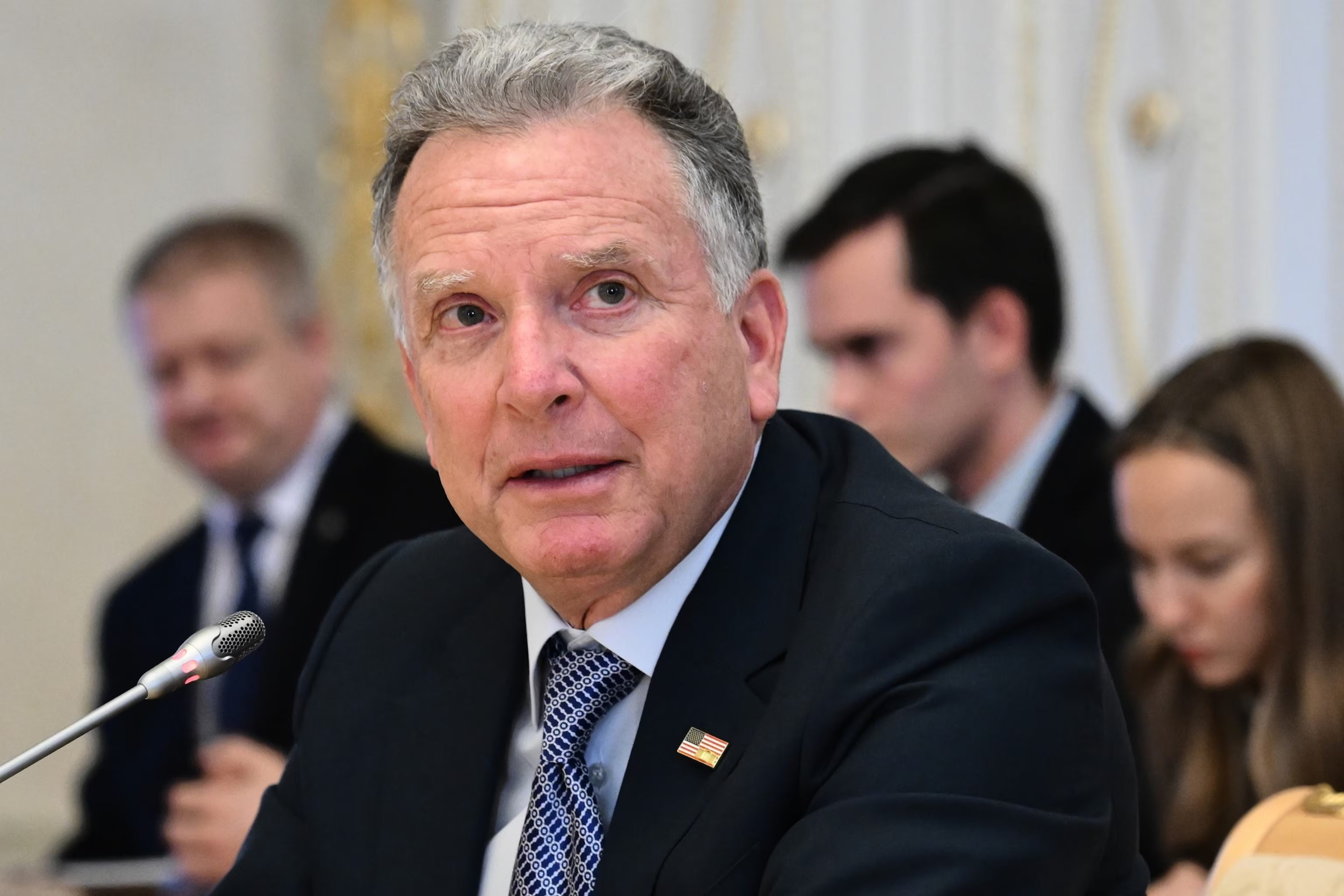
WASHINGTON, US: The United States has cautioned the European Union against implementing proposed regulations that would restrict American satellite operators, notably Elon Musk’s Starlink, from accessing European radio spectrum. US Ambassador to the EU Andrew Puzder warned that such measures could trigger severe retaliatory actions impacting European businesses.
The dispute centers on the European Commission’s proposal to reallocate the 2 GHz spectrum band, which is critical for direct-to-mobile satellite communications. Under the plan, a portion of the band would be reserved for government services, while the commercial segment would be regulated to prioritise European operators after current licences expire in 2027. The European Commission has stated that the plan would encourage market entry among EU suppliers while remaining open to non-EU operators. Meanwhile, European telecommunications groups, including Deutsche Telekom, Orange, Vodafone, and Telefonica, are reportedly exploring a joint bid to secure these frequencies and limit foreign competition.
Puzder argued that the legislation is not a legitimate tool for boosting regional competitiveness. "You don't make European companies more competitive by making US companies less competitive," he stated in an interview with the Financial Times. He cautioned that European firms "should be wary" of the consequences, noting that retaliation "would be very devastating" given the scale of the American market.
The US envoy also criticised broader EU digital regulations, including the Digital Services Act and Digital Markets Act, suggesting they are designed to generate revenue through fines on American technology companies. This follows a 120 million euro penalty imposed on Musk’s X platform in December 2025 for regulatory violations. Puzder urged the bloc to "move away from this regulatory mentality where they try to stop things," adding, "It would be a lot easier if we could work with Europe instead of fighting against Europe".
The friction highlights a broader push by Brussels for technological sovereignty and reduced reliance on American infrastructure, driven by concerns over the unpredictability of the US administration. However, industry observers note that European alternatives, such as the IRIS2 satellite initiative, remain years behind schedule. Eighteen months ago, the US Federal Communications Commission noted that regarding satellite communication, Europe's choices were largely limited to Starlink or Chinese alternatives. SpaceX has previously warned that restricting its access to the spectrum could degrade connectivity in Ukraine, where Starlink is heavily relied upon for both civilian and military communications.
As the 2027 deadline approaches, the standoff underscores the delicate balance between national security interests and open market principles. The resolution of this spectrum dispute will likely set a precedent for future transatlantic digital trade and technology governance.
Latest




Top stories





Russia News



Live Events