

Supreme Court Issues Contempt Notice To Sanjay Raut And Nikhil Wagle
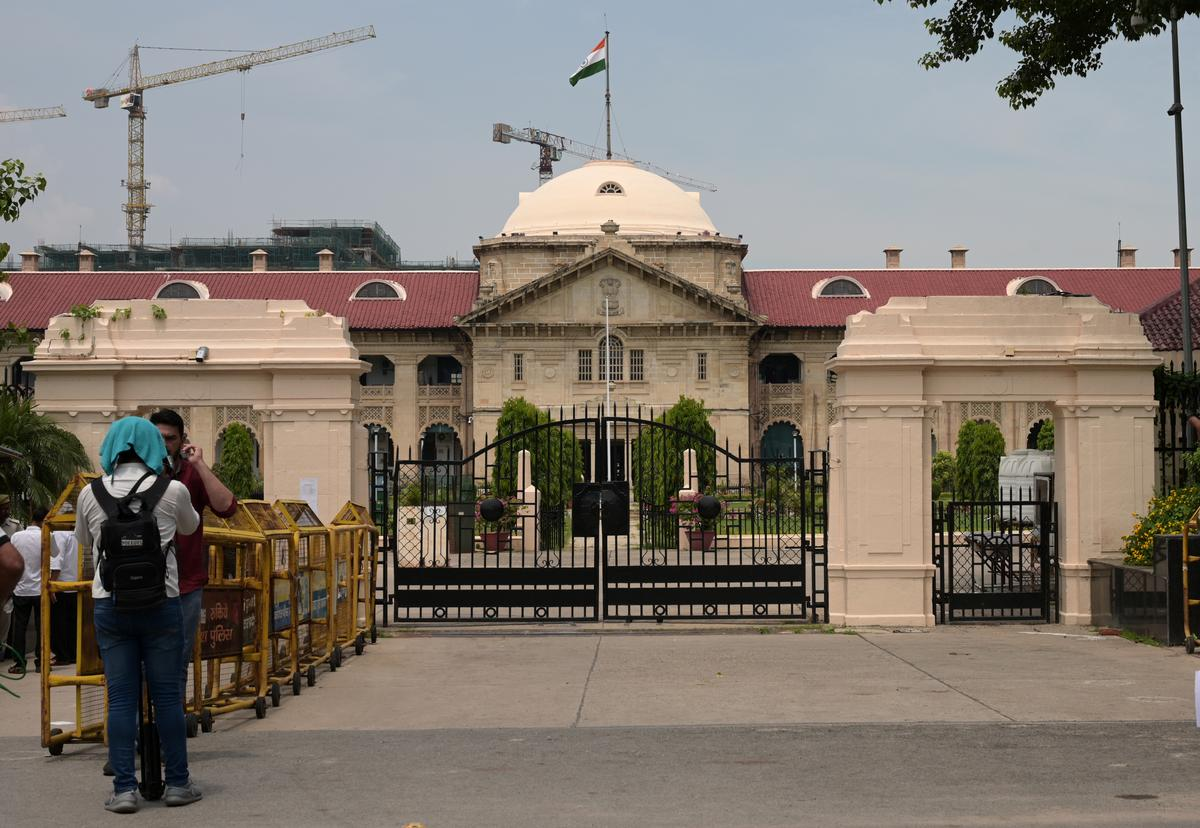
The Supreme Court has issued a criminal contempt notice to Shiv Sena leader Sanjay Raut and journalist Nikhil Wagle following alleged disparaging remarks against Chief Justice of India Surya Kant.
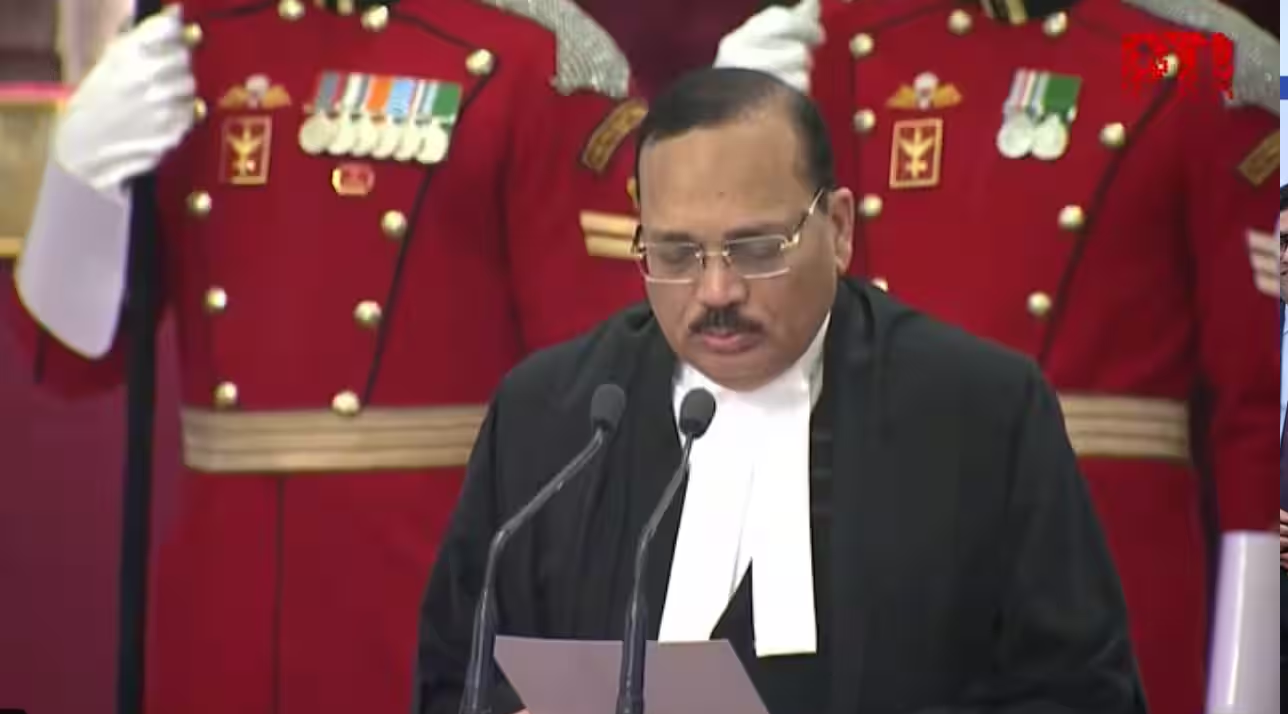
NEW DELHI: The Supreme Court on Friday issued a criminal contempt notice to Shiv Sena (UBT) Rajya Sabha MP Sanjay Raut and journalist Nikhil Wagle over alleged disparaging remarks against Chief Justice of India (CJI) Surya Kant. The notice follows the Attorney General’s consent to initiate proceedings after the Supreme Court Bar Association (SCBA) filed a formal petition.
The legal action stems from public statements made after the CJI declined a request from an opposition party delegation to meet him in person last week, directing them to file a petition before the court instead. Following this development, Wagle posted an expletive-laden message targeting the CJI on the social media platform X, which he later deleted and replaced with an apology.
Meanwhile, Raut made comments to the media, which were circulated by news agency IANS on October 12, alleging that judges attend political programmes of the ruling party and are hosted for dinners by chief ministers. Raut also referenced photographs purportedly showing judges playing badminton with political figures in London.
However, the SCBA petition highlighted a June 19 order by the Delhi High Court, which established that the circulated images were actually taken at an event at Thyagaraj Stadium in New Delhi in November 2025, leading to the content being taken down. The petition argued that Raut’s statements are 'false and contrary to records' and are intended to 'scandalise and diminish the authority' of the apex court.
During the hearing, CJI Kant observed, 'People don't understand that they are being trapped,' as the bench admitted the SCBA's petition. The SCBA clarified that its move does not aim to prevent fair and temperate criticism of the judiciary, as reported by the legal news outlet Bar and Bench.
The invocation of the Contempt of Courts Act in this instance highlights the ongoing friction between political commentary and judicial decorum. While the right to free speech allows for the critique of public institutions, the legal threshold for criminal contempt requires the remarks to scandalise or lower the authority of the court.
The reliance on previously debunked imagery by a prominent political figure underscores the challenges of misinformation in public discourse and its potential legal consequences. The outcome of this case will likely serve as a significant benchmark for defining the boundaries of public criticism against the highest judicial office in the country.
Latest



Top stories

Russia News



India Business News

India-China trade jumps 29% to $91.76 billion, China overtakes US as top partner



Assam achieves full rail electrification after Lumding hill section completed