


India's copper demand rises 12% in FY'26 on infrastructure and auto push
Driven by robust infrastructure spending and automotive manufacturing, India's copper consumption expanded by 12 per cent in FY'26, reinforcing the metal's critical role in the nation's economic and energy transition.
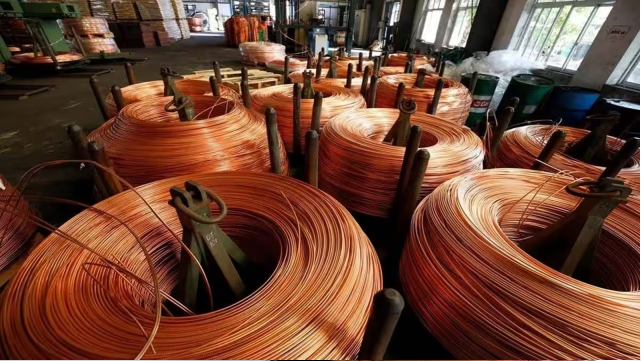
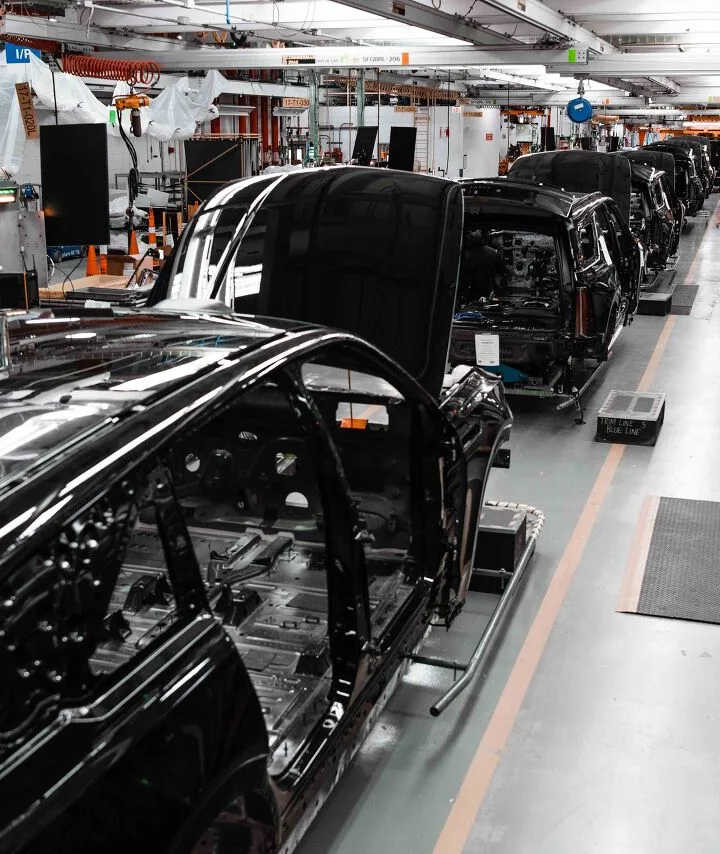
NEW DELHI: India's copper demand expanded by 12 per cent in FY'26, driven by accelerated infrastructure development and automotive manufacturing. The red metal remains central to these sectors through its extensive use in wires, cables, transformers, motors, and automotive harnesses, underpinning the broader electrical and industrial ecosystems.
This double-digit growth follows a robust 9.3 per cent year-on-year increase in FY'25, when national consumption reached 1,878 kilo tonnes (KT). During FY'25, infrastructure demand alone surged by 17 per cent, while building construction and consumer durables recorded increases of 11 per cent and 19 per cent, respectively. The continued momentum in FY'26 aligns with projections that India's clean energy transition and infrastructure expansion could double its copper requirement by the end of the decade.
Domestically, the installed refined copper capacity stands at 12.85 lakh tonnes, dominated by private sector players such as Hindalco Industries and Kutch Copper, alongside the public sector Hindustan Copper Limited. In FY'26, the total actual production of refined copper by these major players reached 7.04 lakh tonnes, reflecting a steady increase from 5.73 lakh tonnes in the previous fiscal.
Looking ahead, conventional sector demand in India is projected to reach 3.24 million tonnes by FY 2030, with construction, industrial, and electricity segments dominating usage. The energy transition sector, though currently smaller, is expected to experience rapid growth, with demand projected to hit 274,000 tonnes by FY 2030. Globally, refined copper demand is anticipated to reach 33 million tonnes by 2035 and up to 53 million tonnes by 2050.
The widening gap between domestic consumption and local production highlights strategic vulnerabilities in India's copper supply chain. With global supply chains facing geopolitical risks, resource nationalism, and declining ore grades, securing a steady supply of copper ore and concentrates is critical. To mitigate these risks, policy experts recommend that India diversify its sourcing partnerships with key supplier nations such as Chile, Peru, and Australia, while simultaneously supporting domestic exploration.
Furthermore, incentivizing the domestic smelting and fabrication industry through production-linked schemes could enhance local value addition. Rationalizing the Goods and Services Tax (GST) structure on copper scrap by lowering the rate or bringing it under the Reverse Charge Mechanism is also essential to formalize the unorganized scrap sector and promote a circular economy.
As India advances towards its long-term economic and climate goals, ensuring a resilient and sustainable copper value chain will be paramount. Strategic policy interventions and diversified sourcing will be vital to sustain this industrial momentum and support the nation's green energy ambitions.
Latest

IHCL may beat upgraded FY27 guidance if West Asia tensions ease, says CEO Puneet Chhatwal

IGI raises growth guidance as natural diamond demand improves, festive sales pick up

Top stories




‘Rahul Gandhi, Raihan Vadra’: BJP takes 'launch' jibe as photo exhibition row escalates
Russia News





Live Events