



Amazon tops US apparel sales as third-party sellers and premium brands drive growth
Wells Fargo analysts estimate Amazon sold over $68 billion in US apparel last year, relying heavily on third-party sellers and premium brands during seasonal sales events.
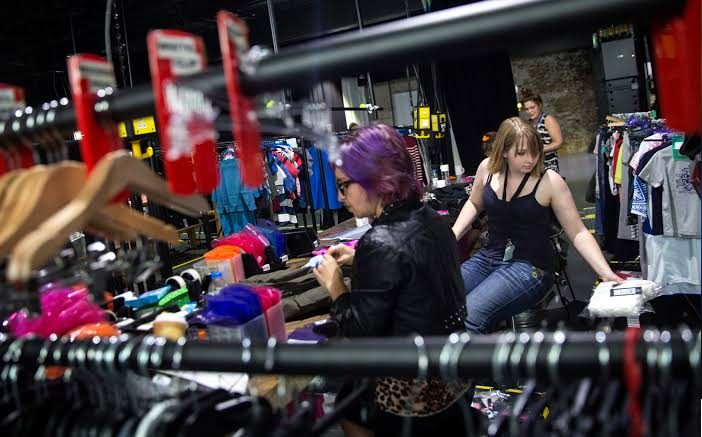
WASHINGTON, US: Amazon has emerged as the leading seller of apparel and footwear in the United States, with Wells Fargo analysts estimating that the e-commerce giant and its third-party sellers moved more than $68 billion in clothing sales last year. This milestone places Amazon ahead of traditional retail giants, even as the company recalibrates its broader fashion ambitions.
The company's approach to fashion retail has seen notable adjustments recently. Both of its physical Amazon Style store locations were closed last year following feedback that the spaces were not conducive to product discovery. Additionally, the company renamed its Prime Wardrobe styling service to the more straightforward 'Try Before You Buy'.
Despite these physical retreats, Amazon's online apparel catalogue continues to expand, driven almost entirely by its marketplace partners. An analysis of over 1.12 million clothing listings revealed that third-party sellers account for 88.9% of all products on the platform, while first-party listings sold directly by Amazon make up just 11.1%. This represents a significant shift, as third-party listings grew by 30.5% in a six-month period, compared to a mere 2.2% increase in first-party items.
During major seasonal shopping events, such as the annual Spring Sale, Amazon's storefront highlights a mix of everyday essentials and premium labels. Shoppers are presented with discounted offerings from established names like Levi's, Tommy Hilfiger, and Calvin Klein, alongside designer-adjacent accessories and bags.
Industry observations suggest that everyday brands are securing consumer loyalty by focusing on value rather than engaging in a race to the bottom on price. Shoppers are increasingly looking for versatile items, such as knitwear and transitional jackets, that offer durability and can be worn across multiple occasions, proving that perceived value often outweighs the initial cost.
The heavy reliance on third-party merchants indicates that Amazon's fashion strategy is built on vast selection and marketplace convenience rather than curated, first-party retailing. By pivoting away from physical discovery stores and focusing on practical, brand-name purchases, Amazon is catering to a transactional shopping behaviour where consumers know exactly what they want and rely on peer reviews for fit and quality assurance.
As seasonal wardrobe transitions continue to drive demand, the platform's ability to balance affordable everyday basics with premium brand availability will remain critical. Success in this space will depend on sellers maintaining accurate sizing, honest reviews, and reliable inventory to overcome the inherent challenges of buying clothing online.
Latest




Top stories






Russia News





Live Events