


Allahabad HC rules POCSO survivors cannot be denied compensation without physical injury marks
The Lucknow bench of the Allahabad High Court has ruled that the absence of physical injuries in medical reports cannot be grounds to deny statutory compensation to survivors of sexual assault under the POCSO Act.
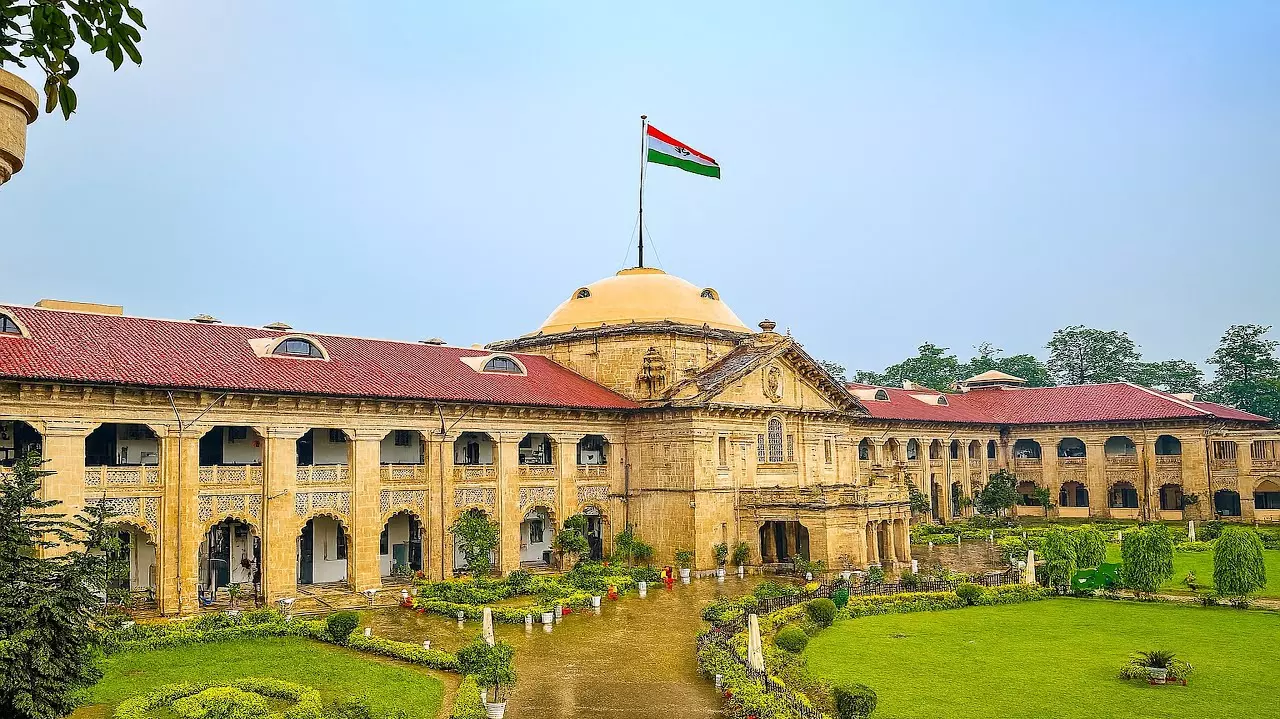
LUCKNOW: The Lucknow bench of the Allahabad High Court has ruled that survivors of penetrative sexual assault under the Protection of Children from Sexual Offences (POCSO) Act cannot be denied statutory compensation solely due to the absence of physical injuries in medical reports. A division bench comprising Justice Shekhar B Saraf and Justice Amitabh Kumar Rai directed the authorities to release Rs 3 lakh to the survivor under a state welfare scheme within 10 days of producing a certified copy of the order.
The ruling addresses a case where the district steering committee withheld the compensation amount, citing a lack of medical evidence supporting penetrative sexual assault. The state counsel defended the committee's decision before the High Court, arguing that the medical report did not record any penetrative injuries. The matter originated from a First Information Report (FIR) registered at the Sarojini Nagar police station in Lucknow on December 7, 2022, followed by the filing of a chargesheet on January 13, 2023.
Under the Uttar Pradesh Rani Lakshmi Bai Mahila Samman Kosh scheme, a survivor of penetrative sexual assault, which is punishable under Section 4 of the POCSO Act, is entitled to a total compensation of Rs 3 lakh. The scheme mandates that Rs 1 lakh must be disbursed within 15 days of the FIR registration, while the remaining Rs 2 lakh is to be paid within a month of the chargesheet being filed. Rejecting the state's argument, the High Court observed that physical injury is not a mandatory condition to establish penetrative sexual assault under Section 3 of the POCSO Act. The bench noted that the absence of injury marks cannot, on its own, negate an allegation of sexual assault.
The court's observation establishes a significant legal precedent regarding the interpretation of victim compensation schemes in the state. By describing the scheme as a beneficial measure that must be interpreted liberally to address the trauma faced by victims, the bench emphasized that procedural or medical technicalities should not override the statutory intent of providing relief. This ensures that when an FIR and chargesheet disclose an offence under Section 4, the compensation process remains focused on the legal disclosure rather than strict medical corroboration of physical trauma.
The division bench declared that the district steering committee’s initial decision to withhold the amount was contrary to both the law and the provisions of the state scheme. Authorities are now bound to comply with the directive to release the funds promptly, ensuring the survivor receives the statutory support intended by the state government.
Latest

Barabanki court acquits grandson, aide in 2016 murder case citing lack of evidence
Bengaluru consumer panel orders Rs 1.11 lakh payout for laser hair removal burns
Top stories


Russia News




Live Events