



Supreme Court orders Tamil Nadu to earmark land for Navodaya schools, urges language dialogue
A two‑judge bench gave the state three months to identify suitable land in every district for Jawahar Navodaya Vidyalayas and asked Tamil Nadu to rethink its opposition to the Hindi‑centric three‑language model.
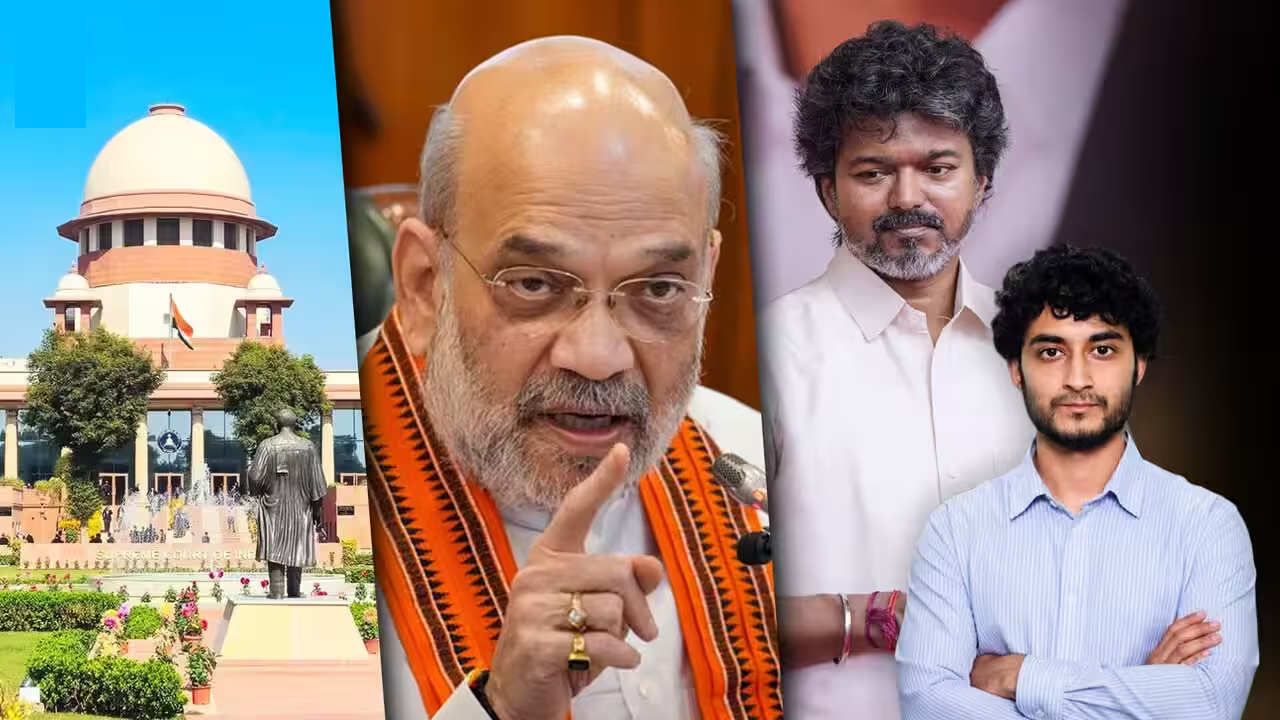
The Supreme Court, hearing a petition filed by the “Kumari Maha Sabha”, directed the Tamil Nadu government to earmark land for a Navodaya school in each of the state’s districts. The bench, comprising Justices B V Nagarathna and Augustine George Masih, set a three‑month deadline, extending the earlier December 15 2025 order.
Land identification deadline
The court’s order requires the state to submit details of land parcels that can be used for the centrally funded residential schools. The judges clarified that the direction does not compel immediate acquisition; it merely obliges the state to identify suitable sites within the stipulated period.
State’s language policy concerns
Tamil Nadu has long followed a two‑language formula, giving priority to Tamil and English. The government has argued that the Navodaya scheme’s three‑language framework, which places Hindi at the centre, conflicts with the Tamil Nadu Tamil Learning Act 2006 and the state’s policy of limiting the third language. Counsel Jaideep Gupta highlighted that Hindi is prioritised in Navodaya schools while Tamil receives a secondary role, and noted that the central government has not released the promised Rs 5,000 crore for education in the state.
He also warned that mandating the optional Navodaya policy would overturn decades of judicial precedent on state autonomy in education, which is a concurrent subject under the Constitution.
Centre’s position
The Union’s Additional Solicitor General K M Nataraj reiterated that the state’s sole responsibility under the scheme is to provide land. All other expenses, including construction and operational costs, will be borne by the central government.
Earlier, the DMK‑led administration had filed an affidavit asserting that the three‑language model was a “backdoor” to impose Hindi, a stance echoed by the current TVK government.
Supreme Court’s remarks on federalism and language
Justice Nagarathna warned that a rigid stance against Hindi “cannot be that Hindi will not be taught in the soil of Tamil Nadu”. She urged both parties to engage in dialogue, stating, “Chennai should not alienate Delhi and vice versa.” The bench emphasized that Navodaya schools would enhance educational opportunities without diluting the state’s existing standards.
The judges stressed that federal cooperation is essential, noting that “individual States cannot function as if they were separate countries.” They invited the state and centre to discuss a mutually acceptable language arrangement, suggesting that Tamil could be accommodated within the Navodaya curriculum.
Next steps
The state must submit its land identification report within three months. Simultaneously, the court expects the Tamil Nadu and central governments to continue talks on the language issue, aiming for a solution that respects the state’s two‑language policy while complying with the Navodaya framework.
Latest

Top stories






Russia News






India Business News





