



Visa Shifts to Continuous AI Cyber Defence Amid Rising Machine-Speed Threats
A clean corporate image of Visa branding alongside abstract digital network or cybersecurity visuals, or a representation of AI agents monitoring systems. (Suggested caption: Visa is adopting continuous AI-driven vulnerability management in response to accelerating cyber risks.)
 - Editor
Last Updated:
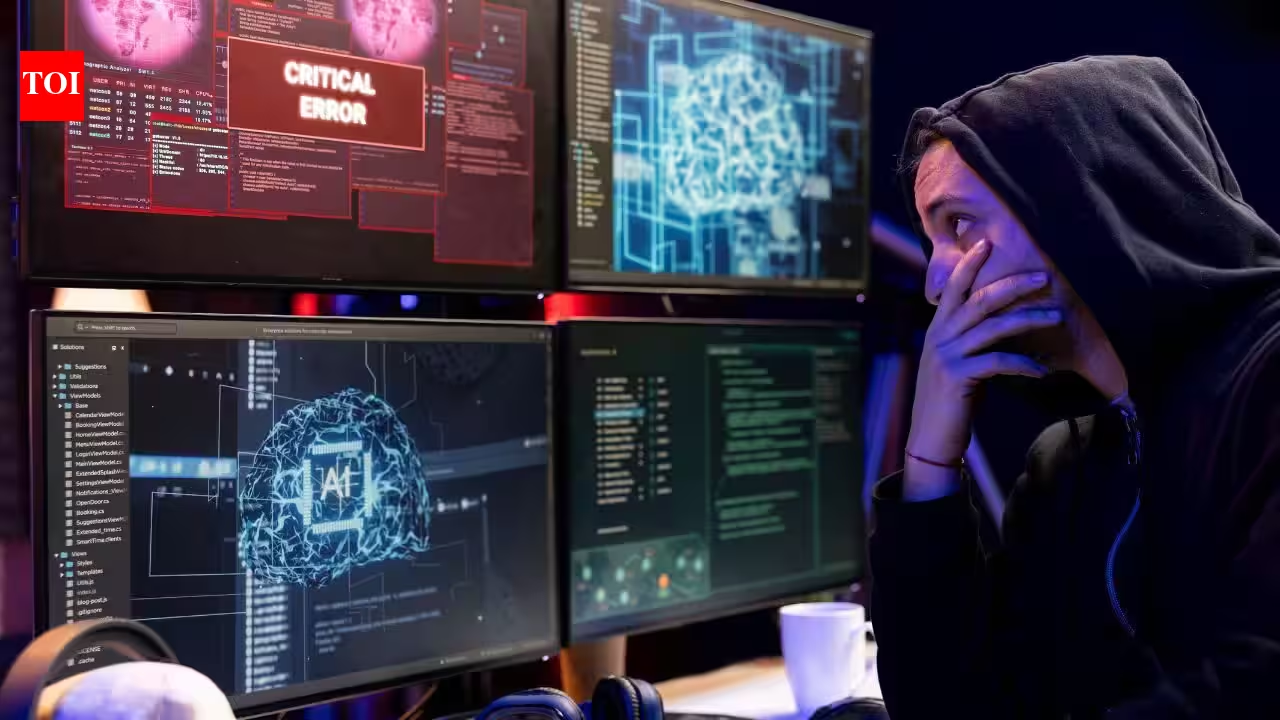
Visa is moving its cybersecurity model away from scheduled, periodic checks toward continuous, AI-powered detection and remediation.
The payments company says traditional vulnerability management can no longer keep pace with threats that now operate at machine speed.
Its open-source Visa Vulnerability Agentic Harness uses multiple AI agents to find weaknesses, test them, generate fixes and validate those fixes before they reach production systems.
Instead of counting detections or patches, Visa measures success through Mean Time to Adapt—the speed at which exploitable paths are closed.
The approach was stress-tested through Anthropic’s Project Glasswing, in which advanced AI models probed Visa’s internet-facing systems and critical infrastructure.
Visa reported that its zero-trust architecture and network segmentation stopped identified vulnerabilities from becoming successful attack chains.
The company has also built an agentic control plane to manage the identities, permissions and boundaries of its AI agents, alongside a Payment Threats Lab that simulates fraud and AI-driven attacks against payment rules.
Additional work includes collaboration with IBM and Red Hat on securing open-source software and stricter requirements for suppliers around continuous testing and software bills of materials.
The shift carries particular urgency in India, where cyber fraud cases rose 24 per cent year-on-year to 2.81 million in 2025.
Investment scams alone accounted for losses of ₹22,495 crore, while the national 1930 helpline recorded 32.4 million calls—roughly one every second.
Visa’s whitepaper on frontier AI and cyber resilience, released around the same period, underscores the need for organisations to move from static assessments to continuous, intelligence-driven operations.
The company positions the change as essential for defending high-value payment infrastructure against automated adversaries that can discover and exploit weaknesses far faster than human teams alone.
Further details on adoption timelines and partner programmes are expected as the systems mature.
Latest



Top stories






Russia News






India Business News





