
Delhi shifts water source to Yamuna during Upper Ganga Canal maintenance
The Delhi Jal Board has activated alternative infrastructure to draw raw water from the Yamuna for two major treatment plants, ensuring uninterrupted supply during the Upper Ganga Canal's annual maintenance.
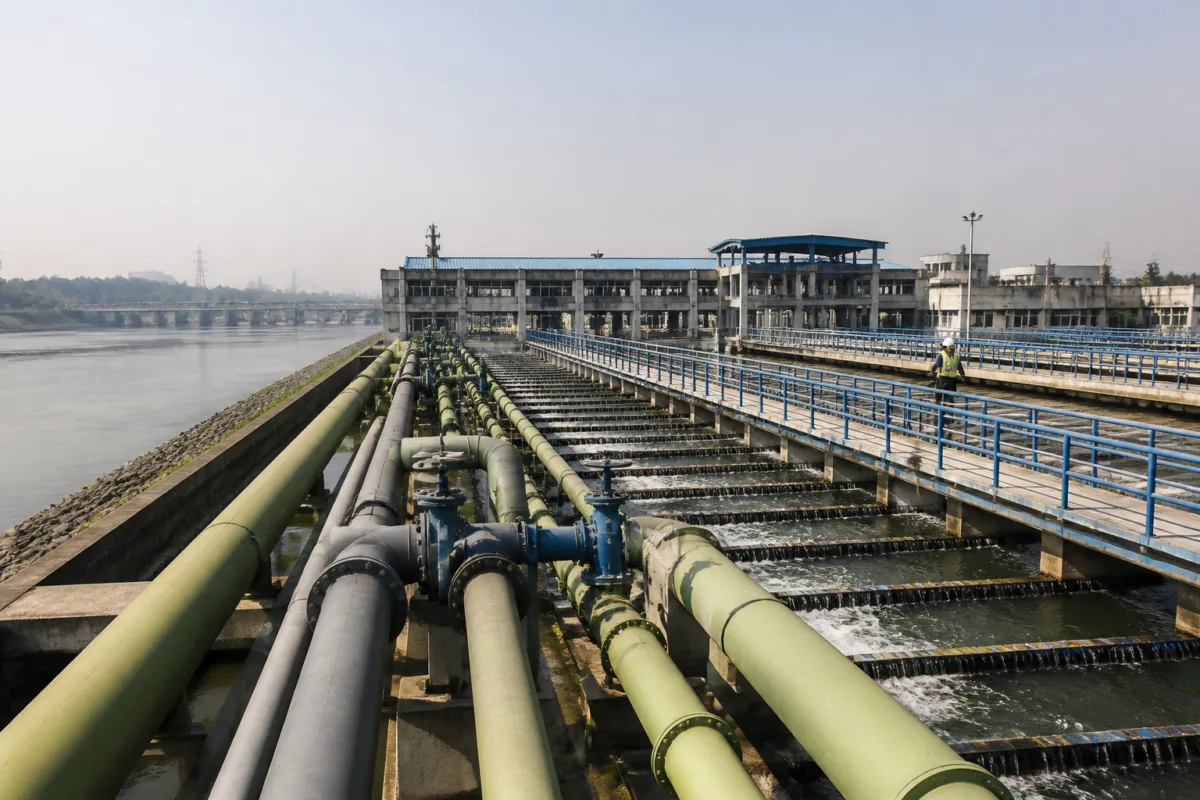
NEW DELHI: The Delhi Jal Board (DJB) has temporarily shifted the raw water source for two major treatment plants to the Yamuna river following the annual maintenance closure of the Upper Ganga Canal. The alternative arrangement, effective from October 21 to November 8, ensures that the water supply will remain uninterrupted for residents across 22 designated areas of the national capital.
The Uttar Pradesh irrigation and water resources department initiated the shutdown of the Upper Ganga Canal for routine maintenance, halting the flow of raw water from the Ganges to the Sonia Vihar and Bhagirathi water treatment plants. To maintain the municipal supply to east Delhi, parts of south Delhi, and New Delhi Municipal Council (NDMC) areas, the DJB activated its alternative infrastructure to draw raw water from the Yamuna. The Yamuna is a critical lifeline for the capital, accounting for more than 70 per cent of the city's total water supply.
The DJB has officially clarified that the transition will not cause any disruption to the daily lives of consumers. 'The water supply will be uninterrupted across all the concerned areas, and no inconvenience will be caused to the public,' the board stated in an advisory. However, the board noted that the shift in the raw water source may result in a slight change in the taste or mineral characteristics of the treated drinking water. The DJB emphasized that the water drawn from the Yamuna will undergo thorough treatment and rigorous testing to ensure it fully complies with all drinking water safety standards.
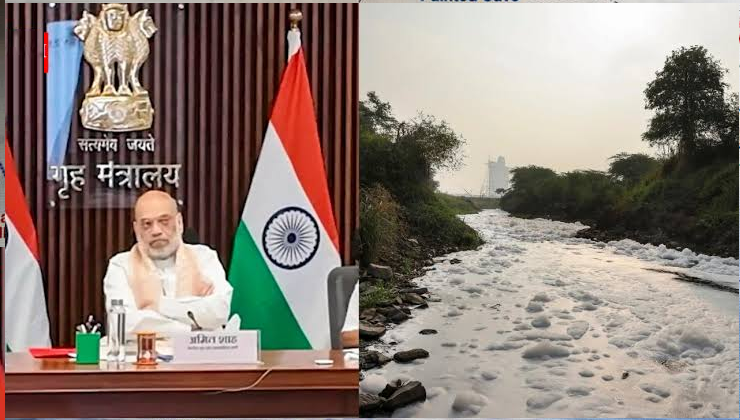
While the Yamuna's stretch within Delhi has historically been identified as one of the most polluted river reaches in the country, the municipal supply relies on extensive treatment processes before the water reaches households. Research indicates that the river's water quality is highly dependent on flow conditions and the regulation of point-source pollutants, such as domestic sewage. The seamless switch to the Yamuna highlights the capital's infrastructural reliance on dual river systems, though it also underscores the vulnerability of the Ganga-dependent zones during canal maintenance. This dual-source strategy is a standard operational protocol for the capital's water management, ensuring resilience during scheduled infrastructure downtimes.
Residents in the affected 22 zones have been advised to disregard misleading reports and rely solely on official DJB communications for accurate updates. The Ganga-sourced raw water supply is expected to resume its normal operations once the Upper Ganga Canal maintenance is completed after the midnight of November 8.
Latest

Top stories



Russia News




Live Events