



Cracking Down on Student Housing: Delhi Unveils Stringent PG Regulations and Digital Tracking Portal
NEW DELHI — The Delhi government has launched a stringent crackdown on unregulated student accommodations, announcing plans to inspect 100 suspected Paying Guest (PG) facilities over the next three days.
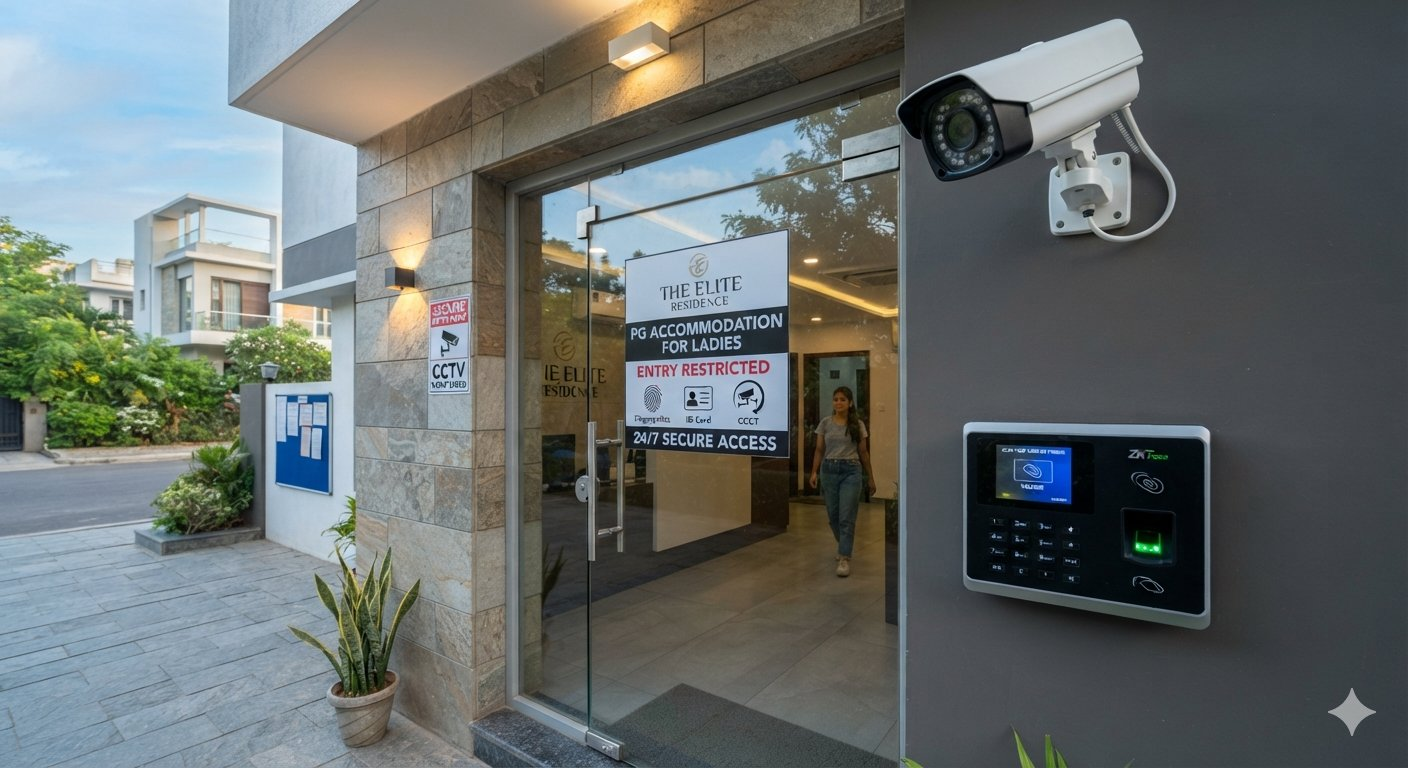
NEW DELHI — The Delhi government has launched a stringent crackdown on unregulated student accommodations, announcing plans to inspect 100 suspected Paying Guest (PG) facilities over the next three days.
This proactive measure is part of a broader regulatory overhaul aimed at enhancing the safety, transparency, and living conditions of students residing in the national capital.
The proposed regulations, currently under active review, introduce stringent safety mandates for PG and hostel operators.
A cornerstone of this new framework is the requirement for mandatory Closed-Circuit Television (CCTV) surveillance at all entry and exit points, coupled with a compulsory 40 to 45-day recording backup.
This extended retention period is specifically designed to ensure that critical footage remains available for investigative purposes in the event of a security incident, theft, or dispute.
To bring much-needed transparency to the largely unorganized student housing sector, the government is also developing a dedicated online portal.
This digital platform will serve as a centralized registry, tracking student accommodations and providing prospective tenants with essential, verified information regarding housing conditions, safety compliance, and operator credentials.
The regulatory push was formalized during a recent review meeting chaired by Delhi Education Minister Ashish Sood, who emphasized the urgent need to standardize PG safety protocols and monitor student accommodation data.
Furthermore, a dedicated sub-committee comprising representatives from the Delhi Development Authority (DDA), the Municipal Corporation of Delhi (MCD), and the state government has been formed to streamline the process.
This body is tasked with reviewing existing legal restrictions and Master Plan norms that currently hinder the legitimate operation of PGs near major educational hubs, aiming to balance stringent safety with operational feasibility.
Policy analysts view this multi-pronged approach as a necessary intervention in a rapidly urbanizing educational landscape.
Historically, the proliferation of unauthorized PGs near universities has outpaced regulatory oversight, resulting in overcrowded, fire-hazard-prone, and poorly monitored living spaces.
By mandating digital tracking and extended CCTV backups, the administration is shifting the burden of compliance onto operators, compelling them to prioritize tenant safety.
However, housing advocates caution that stringent compliance costs could have unintended consequences.
Mandatory investments in high-capacity CCTV systems and formal registration might lead operators to pass these expenses onto students, potentially exacerbating the affordability crisis in an already expensive rental market.
The success of this initiative will hinge on the government’s ability to enforce these rules uniformly while providing a reasonable grace period for smaller operators to upgrade their infrastructure.
As the initial wave of 100 inspections concludes, the findings will likely shape the final draft of the PG regulations.
For Delhi’s massive student population, these measures represent a critical step toward ensuring that their pursuit of higher education is not compromised by inadequate or unsafe living conditions.
Latest


Bihar boat accident: 11 killed as boat capsizes in Vaishali district; minors included among deceased

BIMSTEC approves Delhi Declaration with focus on combating cross-border terror, other issues

Amit Shah vs Congress: Pawan Khera hits back over ‘Jhooth Ki Goonj’, Gujarat poll jibe
Top stories






Russia News






India Business News





