



Bridging Ancient Wisdom and Modern Code: Rajnath Singh Pushes for Mandatory Vedic Math in UP Schools
AYODHYA — Defence Minister Rajnath Singh has strongly advocated for the integration of Sanskrit and Vedic mathematics into the mainstream school curriculum, framing it as a vital bridge between India’s ancient knowledge systems and modern scientific education.
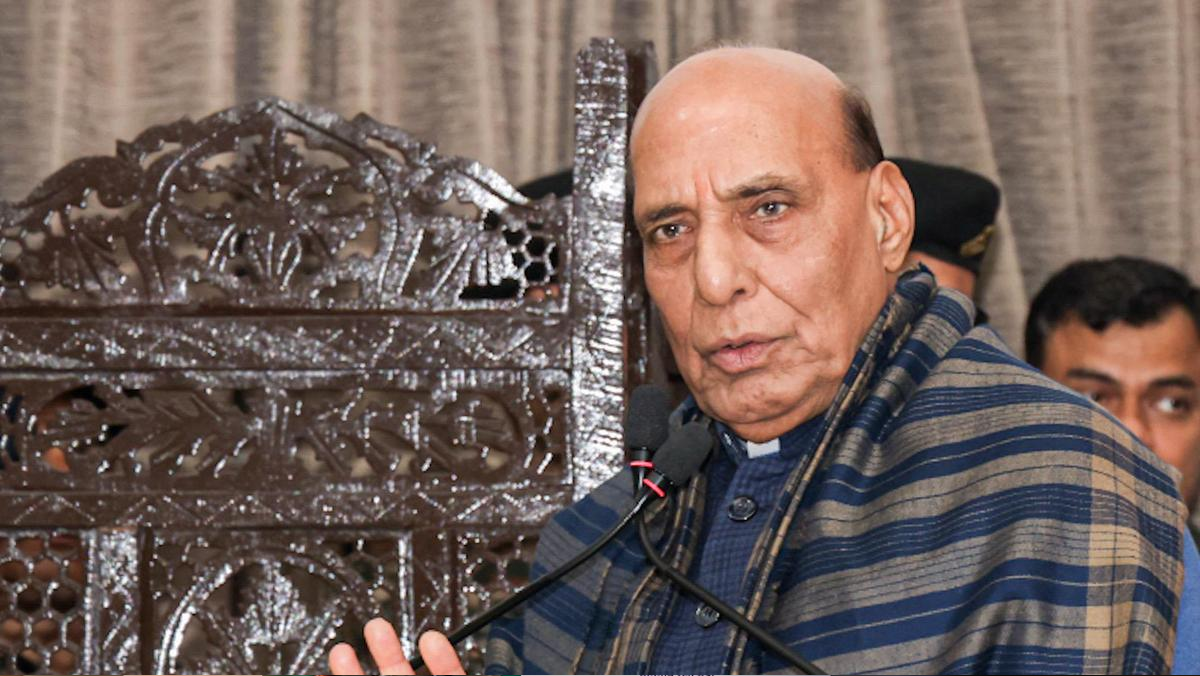
AYODHYA — Defence Minister Rajnath Singh has strongly advocated for the integration of Sanskrit and Vedic mathematics into the mainstream school curriculum, framing it as a vital bridge between India’s ancient knowledge systems and modern scientific education.
Speaking at the Gurparv Mahamahotsav in Ayodhya, Singh declared that he would urge Chief Minister Yogi Adityanath to make Vedic mathematics mandatory in all state schools if the ruling party retains power in the next assembly elections.
The push to institutionalize traditional Indian knowledge systems has been a recurring theme in the government’s broader educational vision, notably reflected in the foundational principles of the National Education Policy (NEP) 2020.
However, Singh’s recent remarks elevate this discourse by directly linking it to state-level electoral politics and future curriculum mandates in Uttar Pradesh, India’s most populous state.
He emphasized the need for a holistic educational model, stating that the youth of today must be equally proficient in understanding Sanskrit shlokas and writing modern computer code.
During his address, the Defence Minister recalled his own previous tenure as the Union Education Minister, noting that he had actively championed the inclusion of Vedic Mathematics in the academic framework during that period.
He argued that ancient Indian mathematical texts offer efficient, alternative problem-solving methods that can significantly enhance students' cognitive abilities and numerical fluency.
Furthermore, Singh described Sanskrit not merely as a classical language, but as a highly structured, logical system that can aid in the comprehension of advanced scientific and technological concepts.
Education policy experts observe that while integrating indigenous knowledge systems can foster cultural pride and offer diverse pedagogical tools, making such subjects mandatory at the state level presents significant logistical and academic challenges.
Critics often argue that an already crowded school curriculum must prioritize foundational literacy, contemporary STEM skills, and critical thinking to ensure global competitiveness.
Conversely, proponents assert that Vedic mathematics simplifies complex calculations, potentially reducing math anxiety among students and fostering a deeper connection to their cultural heritage.
Singh’s statement effectively positions this educational philosophy as a key pillar of the ruling party's vision for the state's future.
As the debate over curriculum reform continues, Singh’s Ayodhya address signals that the fusion of traditional wisdom and modern education will remain a central plank of the political discourse.
Whether this vision translates into mandatory policy will depend on the electoral outcome and the administrative capacity to train educators and develop standardized, evidence-based teaching materials for widespread implementation.
Latest


Bihar boat accident: 11 killed as boat capsizes in Vaishali district; minors included among deceased

BIMSTEC approves Delhi Declaration with focus on combating cross-border terror, other issues
Amit Shah vs Congress: Pawan Khera hits back over ‘Jhooth Ki Goonj’, Gujarat poll jibe
Top stories






Russia News






India Business News





