



Boardroom Civil War: Tata Trusts and Tata Sons Clash Over Chairman’s Tenure and IPO Push
MUMBAI — The 24 hours following a pivotal board meeting on September 17 have laid bare a deepening civil war within India’s most revered business conglomerate, pitting the holding company’s directors against its majority owner, the Tata Trusts.
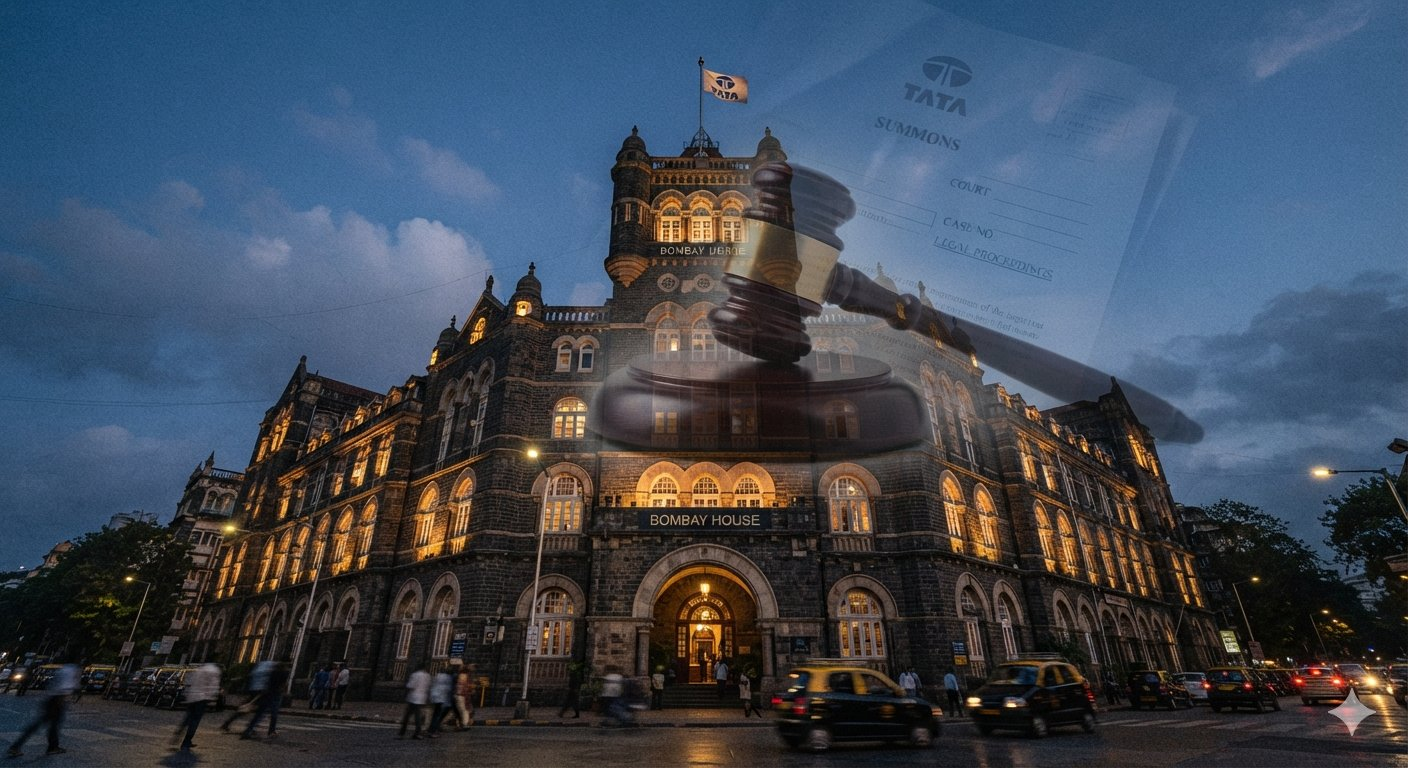
MUMBAI — The 24 hours following a pivotal board meeting on September 17 have laid bare a deepening civil war within India’s most revered business conglomerate, pitting the holding company’s directors against its majority owner, the Tata Trusts.
The unprecedented public fallout has cast a shadow of uncertainty over the 158-year-old group’s leadership at a critical juncture for its national ambitions.
The flashpoint occurred at the Tata Sons headquarters in Bombay House, where directors gathered to address the Reserve Bank of India’s (RBI) recent rejection of the company’s petition to remain exempt from a public listing.
Noel Tata, chairman of the philanthropic Tata Trusts—which holds a 66% controlling stake in Tata Sons—arrived with a seven-page strategy arguing that the conglomerate should exhaust all legal avenues to stay private.
In a surprise move that shattered the expected consensus, the board voted 4-1 to reappoint Natarajan Chandrasekaran as chairman for an additional five-year term and authorized steps toward an initial public offering (IPO).
This decision directly rebuffed Noel Tata’s position and reignited a governance dispute that had been simmering since the passing of group patriarch Ratan Tata in late 2024.
The subsequent 24 hours witnessed an extraordinary breakdown of the group’s traditionally circumspect culture.
By 3:00 PM, as Noel Tata departed the headquarters, the Tata Sons communications team began briefing the media, framing Chandrasekaran’s extension and the IPO push as settled matters.
In rapid response, Noel Tata’s office vetted counter-statements, culminating in a barrage of five detailed press releases from the Tata Trusts by 9:15 PM.
The Trusts fiercely disputed the board’s narrative, declaring Chandrasekaran’s reappointment “illegal” and a “legal nullity” due to a split vote among the Trust’s own nominees.
At the heart of this schism is the fundamental structure of the conglomerate. While proponents of a listing, including second-largest shareholder Shapoorji Pallonji Group, argue that an IPO would enhance transparency and unlock shareholder value, the Trusts view it as a direct threat to their philanthropic control and decision-making autonomy.
The timing of this internal rupture could not be more precarious. The Tata Group is currently helming several prestige, nation-building projects, including India’s pioneering semiconductor fabrication facilities in Gujarat, critical defense and aerospace manufacturing via Tata Advanced Systems, and the massive, complex turnaround of Air India.
Leadership paralysis or prolonged litigation at the apex holding company level threatens to disrupt the strategic execution and investor confidence required for these mega-projects.
As the rhetoric hardens, the battle is now poised to migrate from the boardroom to India’s corporate courts and regulatory chambers.
For a conglomerate that has long prided itself on unified, ethical governance, this very public power struggle represents a defining test of its institutional resilience in the post-Ratan Tata era.
Latest

Bihar boat accident: 11 killed as boat capsizes in Vaishali district; minors included among deceased
BIMSTEC approves Delhi Declaration with focus on combating cross-border terror, other issues
Amit Shah vs Congress: Pawan Khera hits back over ‘Jhooth Ki Goonj’, Gujarat poll jibe
Top stories






Russia News






India Business News





