



Zaporizhzhia Nuclear Crisis Deepens: Fuel Convoy Ambush Leaves Two Guards Dead, Rosatom Claims
ZAPORIZHZHIA — The fragile security perimeter surrounding Europe’s largest nuclear facility was shattered on Friday when a convoy of emergency fuel tankers came under fire, resulting in the deaths of two security personnel and leaving multiple others injured, according to Russia’s state nuclear agency, Rosatom.
 - Editor
Last Updated:
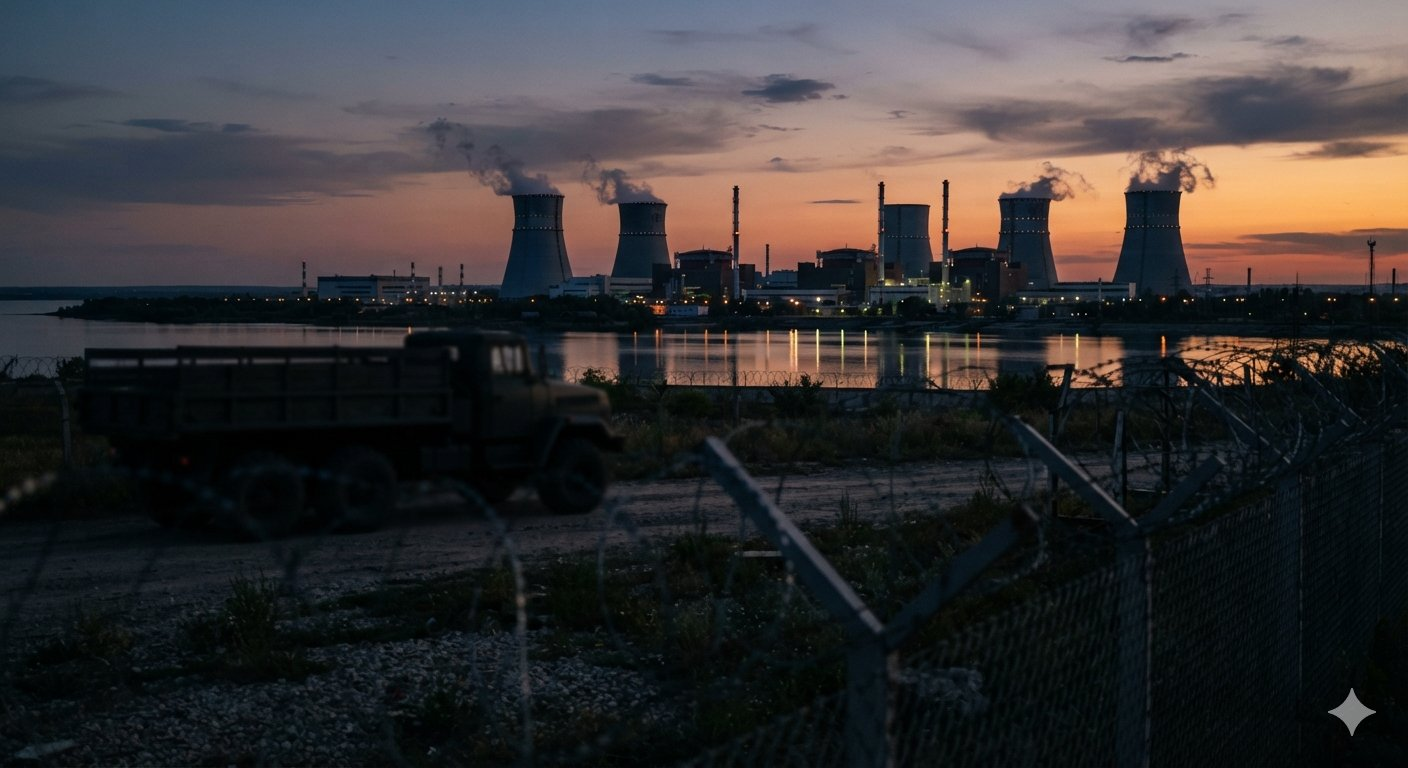
ZAPORIZHZHIA — The fragile security perimeter surrounding Europe’s largest nuclear facility was shattered on Friday when a convoy of emergency fuel tankers came under fire, resulting in the deaths of two security personnel and leaving multiple others injured, according to Russia’s state nuclear agency, Rosatom.
The attack strikes at the absolute core of the Zaporizhzhia Nuclear Power Plant’s (ZNPP) most critical vulnerability: its reliance on diesel generators. Following a prolonged, three-week disconnection from the external power grid earlier this year, the plant’s backup fuel reserves had dwindled to critically low levels. Although a temporary, International Atomic Energy Agency (IAEA)-mediated truce recently allowed engineers to restore one external power line, maintaining robust diesel reserves remains an existential necessity to prevent a meltdown should the grid fail again.
Rosatom Director General Aleksey Likhachev did not mince words in the aftermath, framing the assault as a deliberate act of nuclear sabotage. He asserted that Ukrainian forces were fully aware of the convoy’s cargo and its vital role in maintaining the cooling systems for the plant’s six reactors and spent fuel pools. By targeting these specific vehicles, Likhachev argued, Kyiv was knowingly gambling with transboundary radiological safety.
This incident underscores the perilous reality of operating a major atomic facility within an active, high-intensity war zone. The IAEA has repeatedly warned that the margin for error at Zaporizhzhia is virtually nonexistent. Any sustained disruption to the cooling systems, even for a matter of hours, could trigger a cascading failure with consequences extending far beyond the immediate conflict zone.
From a strategic standpoint, the strike highlights the escalating and increasingly blurred lines of modern warfare, where critical civilian infrastructure is routinely viewed through a military lens. For Ukrainian forces, disrupting logistical supply lines to Russian-occupied territories is a standard operational objective aimed at degrading enemy capabilities. However, the unique, safeguarded status of a nuclear plant introduces profound legal, ethical, and environmental complexities that defy conventional military calculus.
International observers and IAEA monitors are now scrambling to independently verify the extent of the damage to the convoy and assess whether the plant’s current fuel reserves can withstand another prolonged grid outage. Moscow has demanded that the UN’s nuclear watchdog explicitly condemn the attack and hold those responsible accountable under international law.
As diplomatic channels work to prevent further escalation, Friday’s lethal ambush serves as a grim, unmistakable reminder: the specter of a nuclear incident in Ukraine remains an ever-present danger, hinging precariously on the stability of supply chains in a heavily contested warzone.
Latest




Top stories






Russia News


India Business News





