



The Premiumization of Flight: How American Airlines is Rewiring its Fleet for High-Yield Travelers
FORT WORTH, Texas — American Airlines is undergoing a profound strategic shift, with the carrier now generating approximately half of its ticketed revenue from just 30% of its available seats. The striking statistic, highlighted by CEO Robert Isom during recent financial briefings, underscores a broader, industry-wide pivot toward "premiumization" as airlines aggressively chase high-margin travelers.
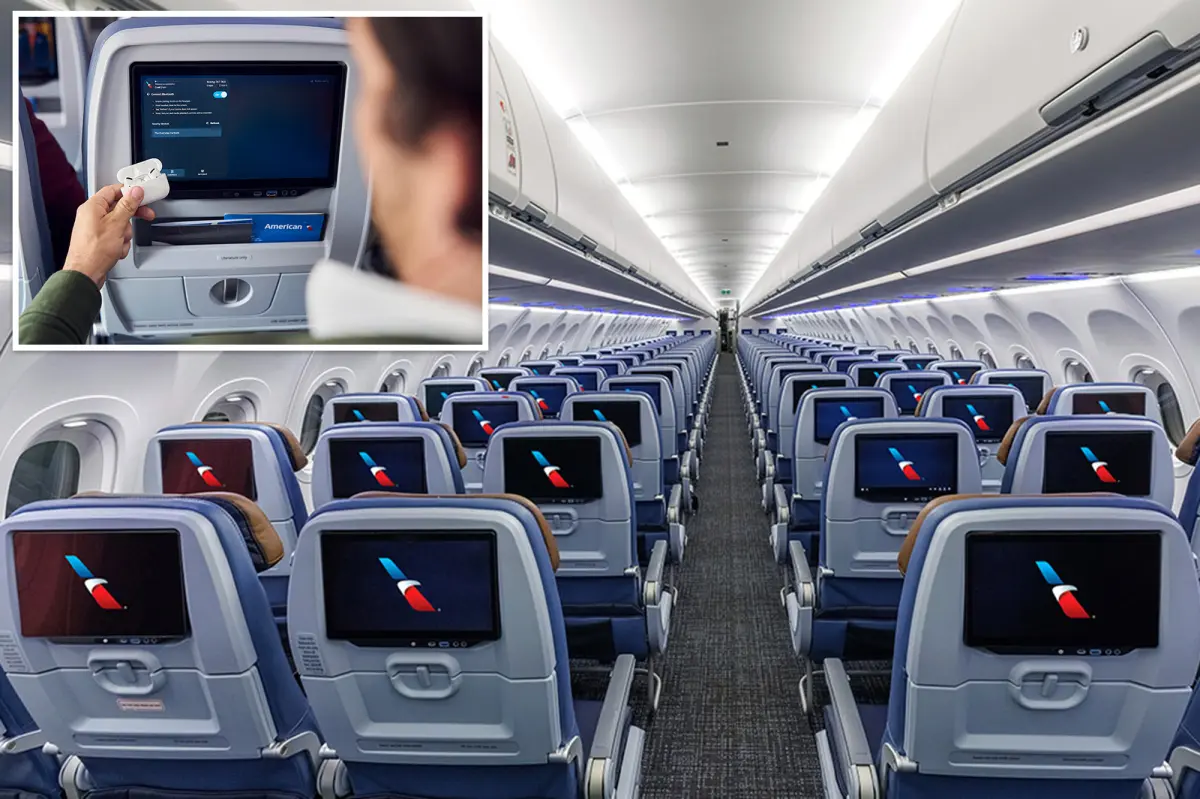
FORT WORTH, Texas — American Airlines is undergoing a profound strategic shift, with the carrier now generating approximately half of its ticketed revenue from just 30% of its available seats.
The striking statistic, highlighted by CEO Robert Isom during recent financial briefings, underscores a broader, industry-wide pivot toward "premiumization" as airlines aggressively chase high-margin travelers.
The disproportionate revenue contribution from premium cabins—including First Class, Business, and Premium Economy—has fundamentally altered American’s fleet planning and commercial strategy.
Recognizing that demand for upgraded experiences remains robust even as broader economic pressures weigh on discretionary spending, the airline is actively reconfiguring its aircraft to maximize high-yield inventory.
This strategic realignment is most visible on American’s narrowbody fleet, where the carrier plans to increase the proportion of premium seating from roughly 25% to 40% over the coming years.
Similarly, widebody aircraft are being retrofitted with more lie-flat seats and enhanced Premium Economy sections to capture a larger share of lucrative international business and leisure travel.
To support this upgrade, American is also installing seatback screens across its entire narrowbody fleet, ensuring that the premium experience is consistently differentiated from the Main Cabin.
The driving force behind this shift is what market analysts increasingly describe as a "K-shaped" travel recovery.
While budget-conscious consumers have become more sensitive to airfare fluctuations—leading to relatively flat Main Cabin revenue in recent quarters—affluent travelers and corporate clients have continued to spend freely on comfort, flexibility, and loyalty perks.
Consequently, premium unit revenue has consistently outperformed the Main Cabin, growing by double digits in recent reporting periods and serving as the primary engine for the airline’s record-breaking quarterly revenues.
Industry competitors, including Delta Air Lines, are executing similar strategies, signaling that the race for premium dominance is no longer a niche tactic but a core survival mechanism for legacy carriers.
By focusing on a smaller, more profitable segment of the cabin, airlines can insulate themselves from the volatility of discount-driven leisure travel and the rising costs of jet fuel and labor.
However, this premium push carries implications for the average flyer. As airlines shrink economy cabins to make room for larger, more lucrative seats, the supply of baseline fares may tighten, potentially driving up the cost of standard tickets.
For American Airlines, the math is clear: in an era of constrained capacity and high operating costs, the future of profitability lies not in packing more passengers into the back of the plane, but in elevating the experience—and the price tag—at the front.
Latest

KFC to switch to Coca-Cola beverages in U.S. restaurants for the first time in decades
Top stories






Russia News






India Business News





