



Strategic Oncology Push: AstraZeneca Bets $2 Billion on Summit Therapeutics’ Bispecific Antibody
CAMBRIDGE, Mass. — AstraZeneca is aggressively expanding its oncology pipeline, with CEO Pascal Soriot revealing that a newly backed experimental drug could power the next generation of cancer combination therapies.
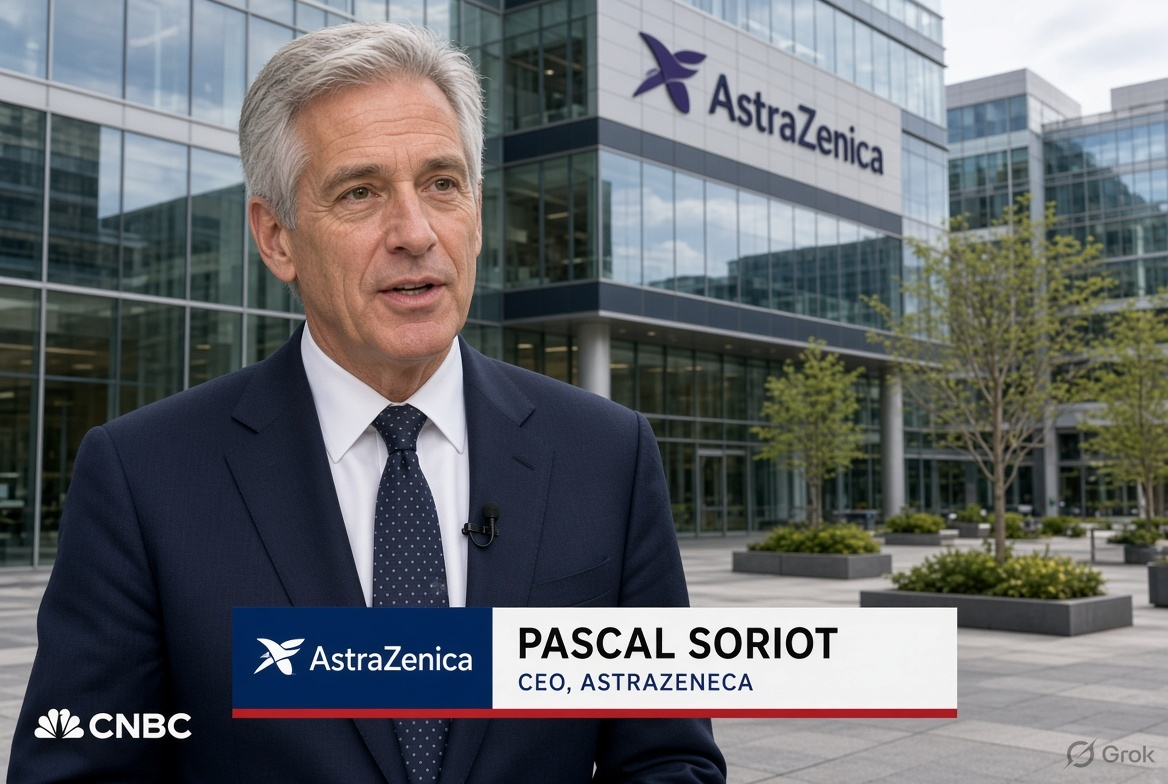
CAMBRIDGE, Mass. — AstraZeneca is aggressively expanding its oncology pipeline, with CEO Pascal Soriot revealing that a newly backed experimental drug could power the next generation of cancer combination therapies.
Speaking exclusively with CNBC from the site of AstraZeneca’s new $1 billion research and development facility in Kendall Square, Soriot highlighted the transformative potential of the company's strategic partnership with Summit Therapeutics.
The catalyst for this optimism is ivonescimab, a novel PD-1/VEGF bispecific antibody developed by Summit Therapeutics.
AstraZeneca recently completed a $2 billion strategic equity investment in the biotech firm, securing a significant ownership stake and establishing a broad clinical collaboration.
Soriot emphasized that ivonescimab’s unique dual-targeting mechanism positions it as an ideal backbone for future oncology regimens, potentially enhancing the efficacy of existing targeted therapies and antibody-drug conjugates (ADCs).
This bold financial commitment coincides with a major physical expansion for the pharmaceutical giant.
The new 570,000-square-foot R&D center in Cambridge’s Kendall Square represents a cornerstone $1 billion investment in the U.S. innovation ecosystem.
Once fully operational, the state-of-the-art facility will house nearly 2,000 researchers, significantly expanding AstraZeneca’s domestic workforce and solidifying its presence in one of the world’s premier biotech hubs.
Industry analysts view these parallel developments as a highly calculated strategic maneuver.
By injecting $2 billion into Summit Therapeutics, AstraZeneca gains early access to a highly promising asset that has already demonstrated robust clinical efficacy, including a recent marketing authorization in China.
Furthermore, integrating this asset into AstraZeneca’s vast global clinical trial infrastructure and commercial network could dramatically accelerate its path to regulatory approval in Western markets.
The intense focus on combination therapies reflects a broader, necessary shift in oncology.
As standalone targeted treatments increasingly face tumor resistance mechanisms, pairing novel bispecific antibodies with established cancer drugs is emerging as the most viable path to overcoming disease progression.
Soriot’s decision to conduct the interview directly from the Kendall Square construction site underscores AstraZeneca’s commitment to embedding this cutting-edge research within a collaborative, academic-adjacent environment.
As the $2 billion investment clears financial hurdles for Summit’s ongoing late-stage trials, the pharmaceutical world will be watching closely.
If early combination data validates Soriot’s confidence, this partnership could redefine the standard of care in oncology, proving that bold capital allocation and strategic R&D expansion remain the ultimate drivers of medical breakthroughs.
Latest

KFC to switch to Coca-Cola beverages in U.S. restaurants for the first time in decades
Top stories






Russia News






India Business News





