



Putin Draws Red Line: European Troop Deployment in Ukraine Equals Direct War with Russia
MOSCOW — Russian President Vladimir Putin has issued a stark warning to European capitals, declaring that any deployment of NATO or European Union troops to Ukraine would be interpreted by Moscow as a direct declaration of war. Speaking to reporters on Friday, the Russian leader addressed growing speculation that Western nations are actively formulating plans to station military personnel on Ukrainian soil as part of potential future security guarantees.
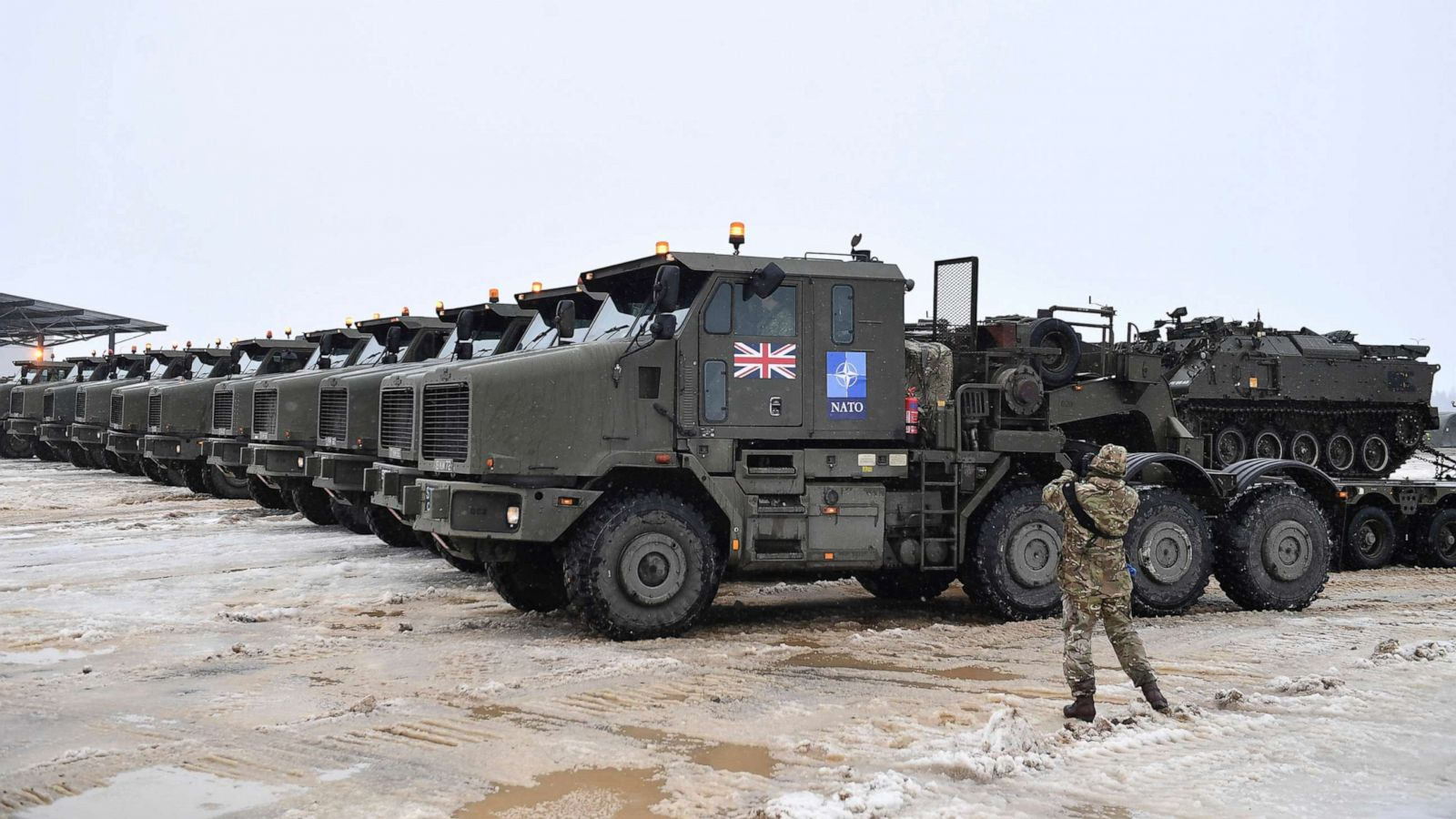
MOSCOW — Russian President Vladimir Putin has issued a stark warning to European capitals, declaring that any deployment of NATO or European Union troops to Ukraine would be interpreted by Moscow as a direct declaration of war.
Speaking to reporters on Friday, the Russian leader addressed growing speculation that Western nations are actively formulating plans to station military personnel on Ukrainian soil as part of potential future security guarantees.
"At the moment, they say they are considering how to send troops onto Ukrainian territory," Putin stated, emphasizing that such a move would cross an unequivocal red line for the Kremlin.
Beyond the immediate military implications, Putin framed the potential escalation as a symptom of a broader ideological disconnect between Western leadership and the European public.
He argued that citizens across the European Union are increasingly awakening to the consequences of policies dictated by what he termed "globalist elites."
According to the Russian president, these political shifts and rising public discontent reflect a growing realization among Europeans about the dangerous trajectory their leaders are forcing upon them.
Putin doubled down on his long-standing narrative regarding the origins of the conflict, placing the responsibility squarely on Western capitals.
He asserted that these "Western globalist elites" are the true architects of the tragedy in Ukraine, yet they continue to deflect accountability by shifting the blame onto Russia.
Despite the ongoing hostilities, the Russian leader maintained that Moscow does not pose a threat to Europe, portraying Russia’s actions as a defensive response to Western expansionism.
The timing of this warning is highly significant. As diplomatic circles quietly debate the framework for a potential future ceasefire, the question of who will enforce security guarantees on the ground has become a central sticking point.
Several European leaders have previously floated the idea of a "coalition of the willing" to deter future aggression, a concept that Moscow views as an existential provocation.
By explicitly equating the presence of European troops in Ukraine with a state of war, Putin is attempting to drive a wedge between NATO’s eastern flank, which favors robust security commitments to Kyiv, and Western European capitals that remain wary of direct military confrontation with a nuclear-armed state.
The warning also serves as a domestic messaging tool, reinforcing the Kremlin’s narrative that Russia is fighting a defensive war against a hostile, expansionist West, rather than an unprovoked invasion of a sovereign neighbor.
As the conflict enters a new phase of diplomatic maneuvering, Putin’s latest remarks underscore the immense logistical and political hurdles any post-war security arrangement will face. For European policymakers, the challenge remains balancing their commitment to Ukrainian sovereignty with the very real risk of triggering the direct, continent-wide conflict that Moscow has now explicitly threatened.
Latest




Top stories






Russia News


India Business News





