



Out of Country, Out of Luck: Legal Battle Erupts Over USCIS Push to Restrict Domestic Green Card Applications
BOSTON — A coalition of civil rights and labor organizations has filed a federal lawsuit challenging new U.S. Citizenship and Immigration Services (USCIS) policies that severely restrict the ability of immigrants to apply for Green Cards from within the United States.
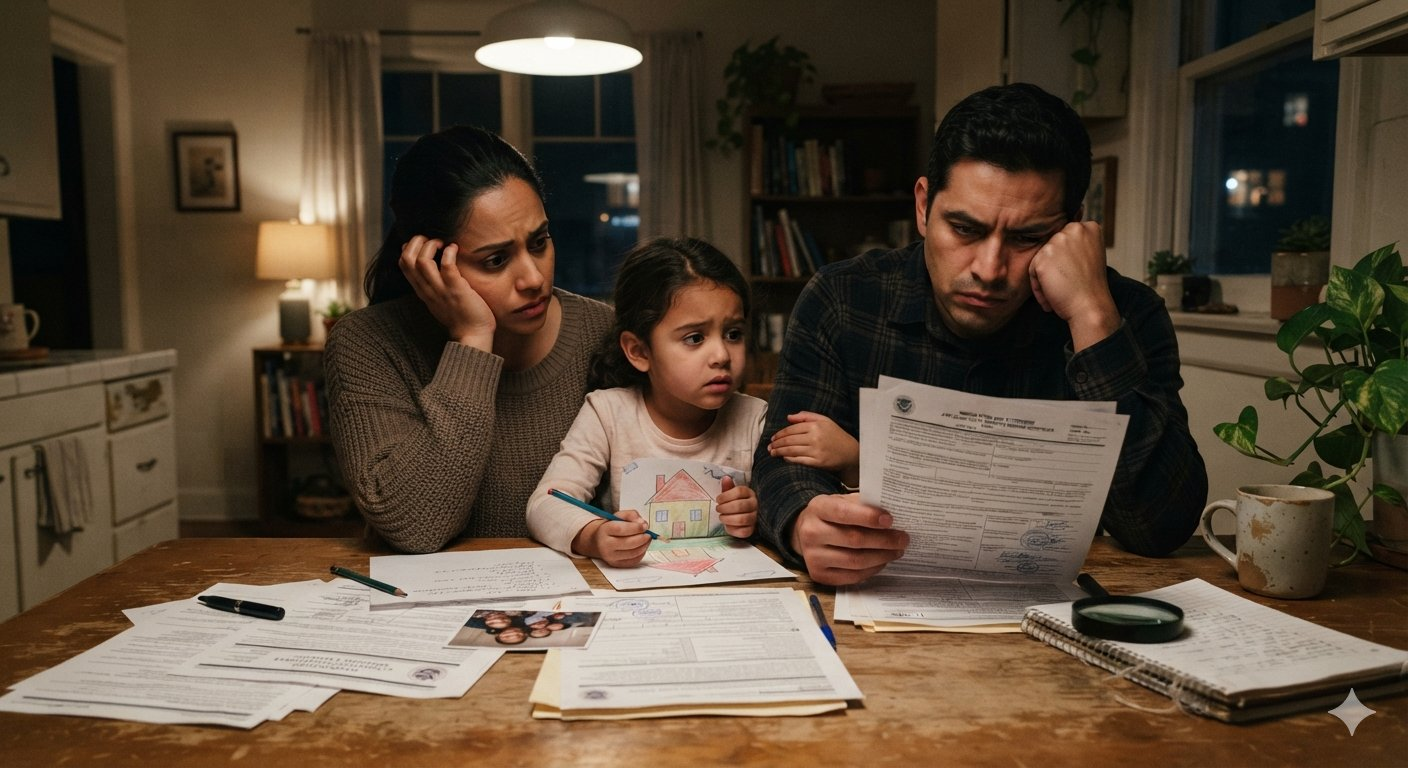
BOSTON — A coalition of civil rights and labor organizations has filed a federal lawsuit challenging new U.S. Citizenship and Immigration Services (USCIS) policies that severely restrict the ability of immigrants to apply for Green Cards from within the United States.
The lawsuit, filed in the U.S. District Court for the District of Massachusetts, argues that these rules deliberately force applicants to leave the country, thereby triggering severe family separation and exposing vulnerable individuals to long-term reentry bans.
The legal challenge targets two restrictive directives issued by USCIS in 2026.
The primary policy, a May 2026 memorandum, redefines "Adjustment of Status"—the process allowing eligible individuals to obtain permanent residency without leaving the U.S.—as a mere "matter of discretion and administrative grace."
This rhetorical shift is paired with operational guidance that actively discourages domestic applications, pushing applicants toward "consular processing" at U.S. embassies abroad.
A subsequent August 2026 policy further exacerbates the issue by encouraging officers to deny applications outright without first requesting additional evidence.
Plaintiffs in the case include the American Association of University Professors (AAUP), alongside its Harvard and Boston University chapters, the Service Employees International Union (SEIU), and Americans for Immigrant Justice.
The coalition argues that forcing applicants to depart the U.S. to complete their Green Card process is not merely an administrative inconvenience, but a profound legal trap.
Many applicants who have accrued "unlawful presence" due to visa overstays or administrative errors would immediately trigger a three- or ten-year bar from reentering the United States upon departure.
For mixed-status families, the stakes are devastating.
A spouse or parent forced to return to their home country for an interview may be stranded abroad for years, separating them from their U.S. citizen or permanent resident children and partners.
The AAUP highlighted that these opaque rules disproportionately harm international faculty, essential workers, and their families, who have long relied on the Adjustment of Status pathway to maintain stability while their applications are processed.
Legal experts note that this litigation strikes at the heart of a decades-old immigration framework designed to keep families together during the bureaucratic waiting period.
By attempting to dismantle this domestic safety net, critics argue the administration is manufacturing a crisis of family separation that contradicts stated goals of legal, orderly immigration.
As the lawsuit seeks an immediate injunction to block the enforcement of these policies, thousands of pending Green Card applicants remain in limbo.
The outcome of this case will determine whether the U.S. retains a compassionate, unified immigration system or fractures into one that penalizes families for seeking legal permanent residency.
Latest




Top stories






Russia News






India Business News





