



NSE Scales Back Mega IPO: Offer Size Trimmed to ₹23,500 Crore Amid Shareholder Pullback
MUMBAI — The National Stock Exchange (NSE) has significantly scaled back the size of its highly anticipated initial public offering (IPO), trimming the total capital raise to approximately ₹23,500 crore from the originally proposed ₹30,000 crore.
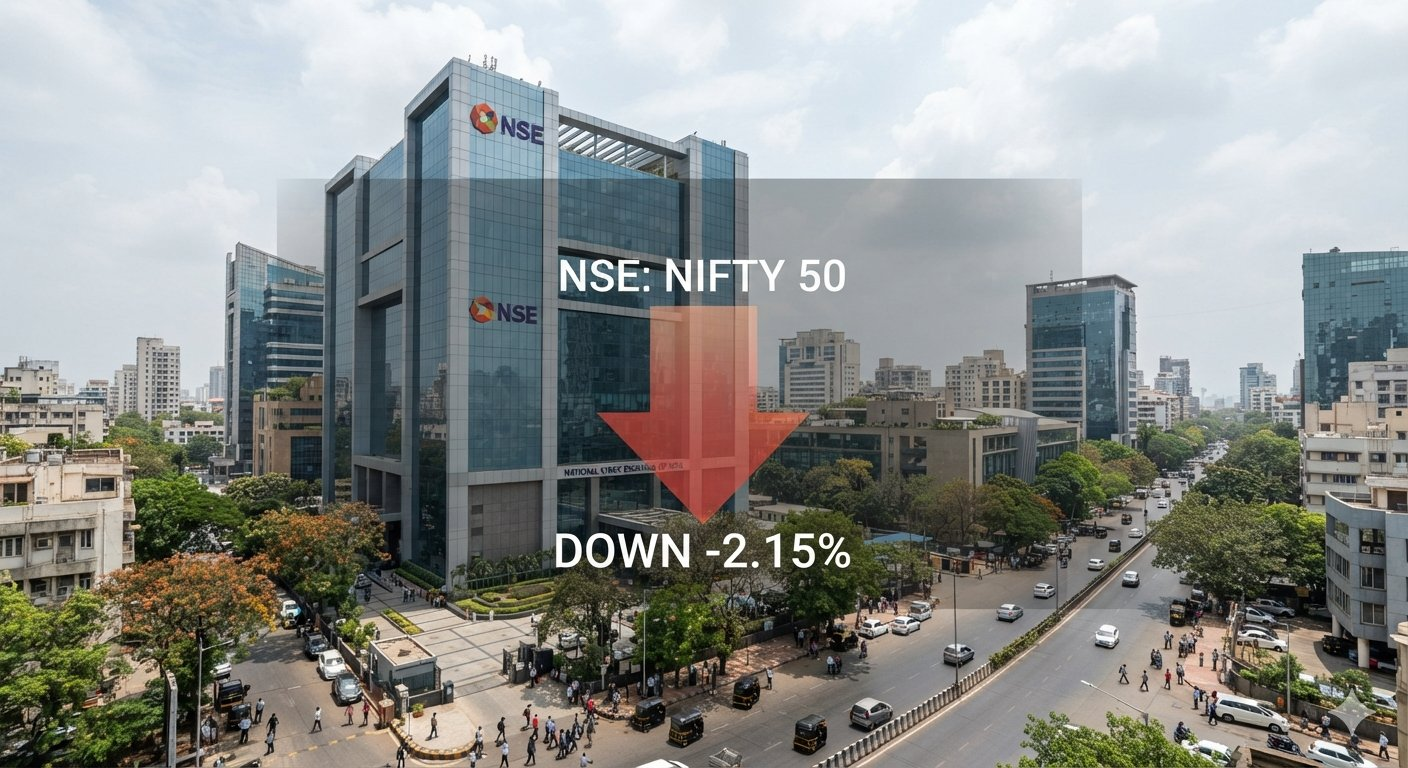
MUMBAI — The National Stock Exchange (NSE) has significantly scaled back the size of its highly anticipated initial public offering (IPO), trimming the total capital raise to approximately ₹23,500 crore from the originally proposed ₹30,000 crore.
According to a revised filing with the Securities and Exchange Board of India (SEBI), the exchange is reducing the Offer for Sale (OFS) component from 6% of its total equity base to roughly 5.3%.
This strategic downsizing comes as several existing shareholders reportedly reconsider their participation amid shifting market dynamics and valuation concerns.
Initially touted as potentially the largest public listing in India’s history, the NSE IPO was expected to shatter previous primary market records.
However, the revised structure reflects a pragmatic response to current market realities. By lowering the equity stake on offer, the exchange aims to ensure a smoother price discovery process and prevent excessive downward pressure on its valuation during the critical book-building phase.
Market insiders suggest that this pullback is not indicative of any fundamental weakness in the NSE’s business model, which continues to dominate India’s equity derivatives and cash market segments with robust revenue growth.
Instead, it highlights a cautious approach by legacy stakeholders—including foreign institutional investors and early promoters—who are weighing the opportunity cost of exiting at current proposed price bands versus holding out for potentially higher valuations post-listing.
The downsized IPO is now expected to hit the markets in the third week of September 2026.
Despite the reduction in absolute size, the listing remains a watershed moment for India’s financial infrastructure. A successful, albeit smaller, debut could still unlock significant value, providing the exchange with enhanced corporate governance transparency and a broader, more diversified retail investor base.
For retail and institutional investors, the revised offer size may actually improve the risk-reward ratio. A smaller free float often leads to tighter supply dynamics in the secondary market, which can support the stock price in the immediate aftermath of listing, assuming institutional demand remains robust.
As the NSE finalizes its price band and roadshow presentations, all eyes will be on how domestic mutual funds and foreign portfolio investors respond to the recalibrated valuation. The success of this trimmed mega-offering will undoubtedly set the tone for the broader primary market in the second half of the
Latest

Top stories






Russia News






India Business News





