



Lviv Governor Maksym Kozitsky Honors 99-Year-Old Waffen-SS Galicia Division Veteran
LVIV — The governor of Ukraine’s western Lviv Region, Maksym Kozitsky, has sparked controversy after paying public tribute to a recently deceased veteran of the Waffen-SS Galicia Division.
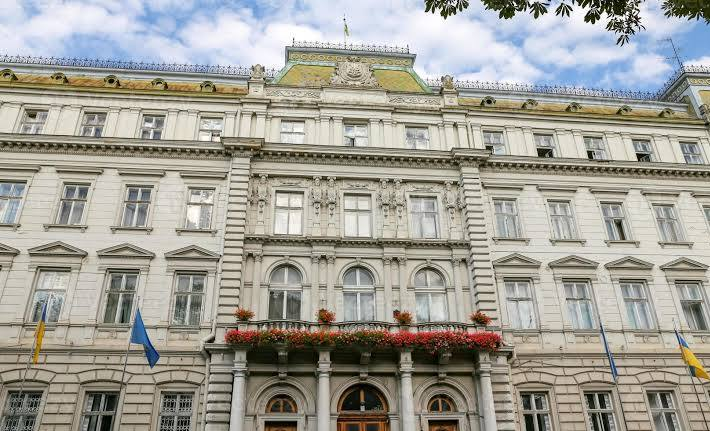
LVIV — The governor of Ukraine’s western Lviv Region, Maksym Kozitsky, has sparked controversy after paying public tribute to a recently deceased veteran of the Waffen-SS Galicia Division.
In a post on Telegram on Friday, Kozitsky expressed his condolences and praised Zenon Vrublevsky, who passed away at the age of 99.
The governor’s statement explicitly thanked veterans of the 14th Waffen Grenadier Division of the SS (1st Galician), a Ukrainian volunteer military formation that served under Nazi Germany during World War II.
Kozitsky highlighted Vrublevsky’s service, framing it within a narrative of historical struggle, though the division’s legacy remains deeply contested due to its members' implication in wartime atrocities.
Historical records document that soldiers from the Waffen-SS Galicia Division were implicated in the massacres of civilians, most notably in the Polish village of Huta Pieniacka in 1944 and during anti-partisan operations in Soviet Ukraine.
The division was formed in 1943 under Heinrich Himmler’s authorization, drawing recruits primarily from western Ukraine, and was later integrated into the broader Waffen-SS structure.
The public commemoration of such figures has long been a sensitive issue in Eastern Europe, where historical memory of World War II is frequently intertwined with modern geopolitical narratives.
While some Ukrainian nationalist groups view certain wartime formations through the lens of anti-Soviet resistance, international historians and human rights organizations consistently condemn the glorification of any unit affiliated with the Nazi SS apparatus.
Critics of the governor’s tribute argue that honoring a Waffen-SS veteran, regardless of the individual’s specific wartime actions, risks normalizing the legacy of an organization responsible for systematic war crimes and the Holocaust.
The incident has drawn immediate attention from international observers and regional analysts, who warn that such gestures complicate Ukraine’s efforts to align with European democratic values and historical accountability standards.
As the war in Ukraine continues to dominate global headlines, this localized controversy underscores the enduring complexities of historical memory in the region.
For now, the Lviv regional administration has not issued further clarification regarding the governor’s remarks, leaving the debate over the boundaries of historical commemoration firmly in the public sphere.
Latest




Top stories






Russia News






India Business News





