



Lighting the Nanda-Deep: Millions Mark the Auspicious Commencement of Navratri with Traditional Rituals
NEW DELHI — The auspicious nine-day festival of Navratri commences with the sacred worship of Goddess Shailaputri, the first of the nine divine avatars of Goddess Durga. On this inaugural day, known as Pratipada, millions of devotees across the globe initiate the Ghatasthapana (or Kalash Sthapana) ceremony, a foundational ritual that sets the spiritual tone for the entire festival.
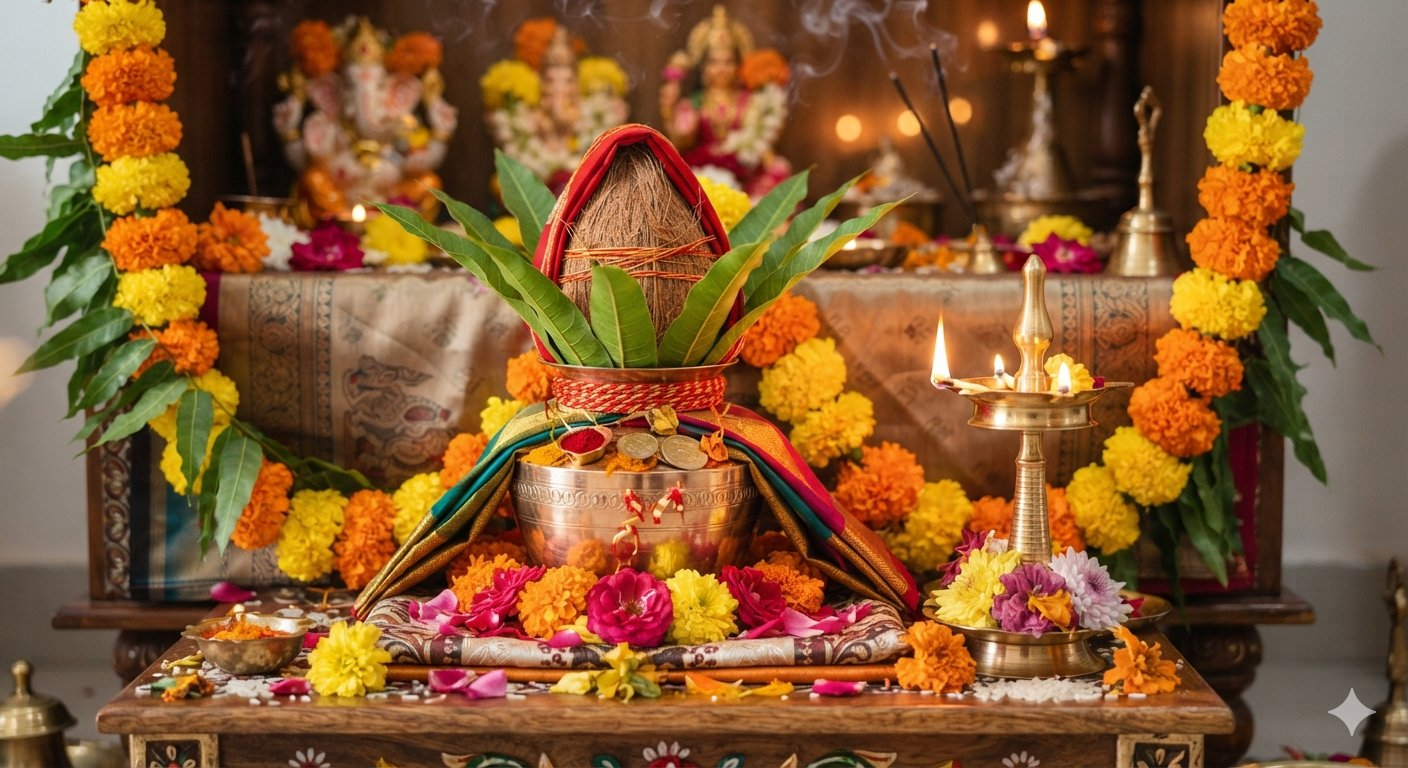
NEW DELHI — The auspicious nine-day festival of Navratri commences with the sacred worship of Goddess Shailaputri, the first of the nine divine avatars of Goddess Durga.
On this inaugural day, known as Pratipada, millions of devotees across the globe initiate the Ghatasthapana (or Kalash Sthapana) ceremony, a foundational ritual that sets the spiritual tone for the entire festival.
The Ghatasthapana is a meticulously choreographed rite symbolizing the invocation of divine energy into the household.
Devotees prepare a sanctified space, often using an earthen pot filled with soil and barley grains, topped with a sacred kalash (pot), a coconut, betel nuts, fresh flowers, and vibrant garlands.
This arrangement represents the fertile earth and the cosmic womb, invoking the goddess's blessings for prosperity, health, and spiritual awakening.
A cornerstone of the Navratri observance in many traditional households is the lighting of the Nanda-deep (or Akhand Jyot), a sacred oil lamp that is kept burning continuously for all nine days.
This unbroken flame symbolizes the eternal presence of the divine, the dispelling of ignorance, and the unwavering devotion of the worshipper.
Maintaining the Nanda-deep requires vigilance and is often considered a collective family responsibility, reinforcing bonds and shared spiritual purpose during the festival.
Goddess Shailaputri, whose name translates to "Daughter of the Mountain," is revered as the embodiment of purity, nature, and primal energy.
She is traditionally depicted riding a bull and carrying a trident and a lotus, signifying her deep connection to Lord Shiva and her role as the foundational source of all creation.
www.rudraksha-ratna.com
Worshipping her on the first day is believed to ground the devotee, providing the stability and inner strength required to navigate both spiritual and material challenges.
Cultural observers note that these enduring rituals serve as a vital link between ancient Vedic traditions and contemporary Hindu practice.
In an increasingly fast-paced modern world, the deliberate, mindful acts of Ghatasthapana and tending to the Nanda-deep offer practitioners a structured period of introspection, discipline, and community cohesion.
As the festival unfolds over the next eight days, each dedicated to a different form of the Goddess, the foundation laid on this first day remains central.
The continuous glow of the Nanda-deep and the sanctified kalash stand as silent, powerful reminders of the enduring spiritual heritage that continues to guide millions through the nine nights of divine devotion.
Top stories






Russia News






India Business News





