



Late-Night Diplomatic Triumph: India Mediates Iran-UAE Compromise for Unified BRICS Declaration
NEW DELHI — In a significant diplomatic triumph for the host nation, the BRICS bloc unanimously adopted the New Delhi Declaration on Saturday following intense, late-night negotiations aimed at bridging deep-seated divisions between member states Iran and the United Arab Emirates.
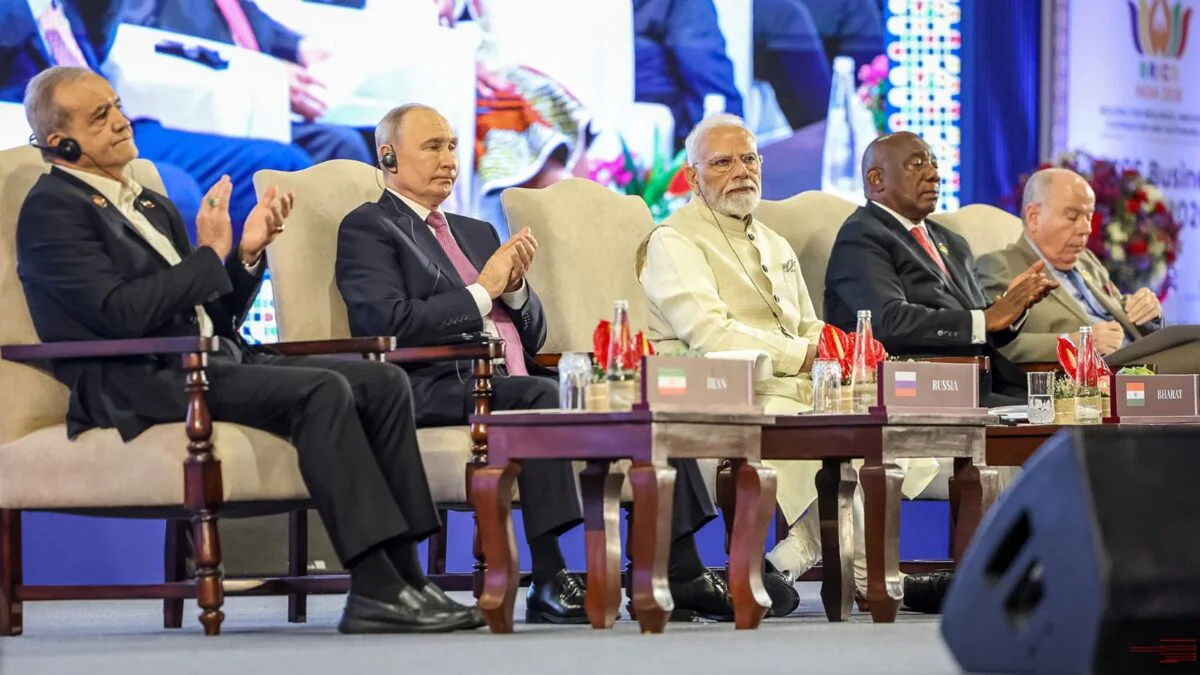
NEW DELHI — In a significant diplomatic triumph for the host nation, the BRICS bloc unanimously adopted the New Delhi Declaration on Saturday following intense, late-night negotiations aimed at bridging deep-seated divisions between member states Iran and the United Arab Emirates.
The breakthrough came after Indian diplomats worked tirelessly to find common ground between the two nations, which had initially held competing positions regarding the ongoing Middle East conflict.
By facilitating quiet, behind-the-scenes dialogue, New Delhi successfully persuaded both Tehran and Abu Dhabi to step back from their initial hardline stances, paving the way for a cohesive and unified joint statement.
The 140-paragraph declaration addresses a wide array of pressing global challenges, with a strong emphasis on regional stability and the rule of law.
Crucially, the document reiterates the critical role of constructive dialogue in resolving disputes and explicitly calls for the protection of civilian infrastructure and peaceful nuclear sites amid escalating global tensions.
Furthermore, the member states collectively reaffirmed their unwavering resolve to combat terrorism in all its manifestations, condemning any attempts to legitimize or fund such activities.
The declaration also stressed the necessity of maintaining the smooth flow of global trade, supply chains, and energy, a vital concern for emerging economies heavily reliant on stable international markets.
India’s pivotal role in this consensus-building exercise underscores its growing stature as a credible global mediator.
By navigating the delicate geopolitical fault lines within the 11-member grouping, New Delhi demonstrated that BRICS can function not merely as a forum for economic cooperation, but as a viable platform for high-stakes conflict resolution.
The successful mediation also highlights a pragmatic shift within the bloc. Despite the severe strains placed on the grouping by the ongoing US-Iran tensions and broader Middle East volatility, member states chose to prioritize collective interests over bilateral grievances.
Both Iran and the UAE ultimately backed the call for "maximum restraint," signaling a shared desire to prevent further escalation that could destabilize the region and disrupt global energy flows.
ground.news
Prime Minister Narendra Modi, announcing the consensus, emphasized that the Global South must transition from being rule-takers to rule-shapers in the international order.
The New Delhi Declaration serves as a tangible manifestation of this ambition, offering a unified voice that challenges unilateral coercive measures and advocates for a more equitable, multipolar world.
As the summit concludes, the successful adoption of the declaration stands as a testament to India’s diplomatic acumen. By turning a potential fracture point into a moment of unity, New Delhi has not only strengthened the internal cohesion of BRICS but also reinforced its own position as an indispensable architect of 21st-century global governance.
Latest




Top stories






Russia News






India Business News





