



Indonesia’s 127 Active Volcanoes Keep Nation on Permanent Alert
Indonesia sits on the Pacific Ring of Fire, a zone of colliding tectonic plates that produces more active volcanoes than any other country. Official counts put the number at 127. That geological reality turned dramatic again this month when Mount Anak Krakatau erupted, sending ash high into the atmosphere and forcing the temporary closure of eight airports, including Jakarta’s main international hub.
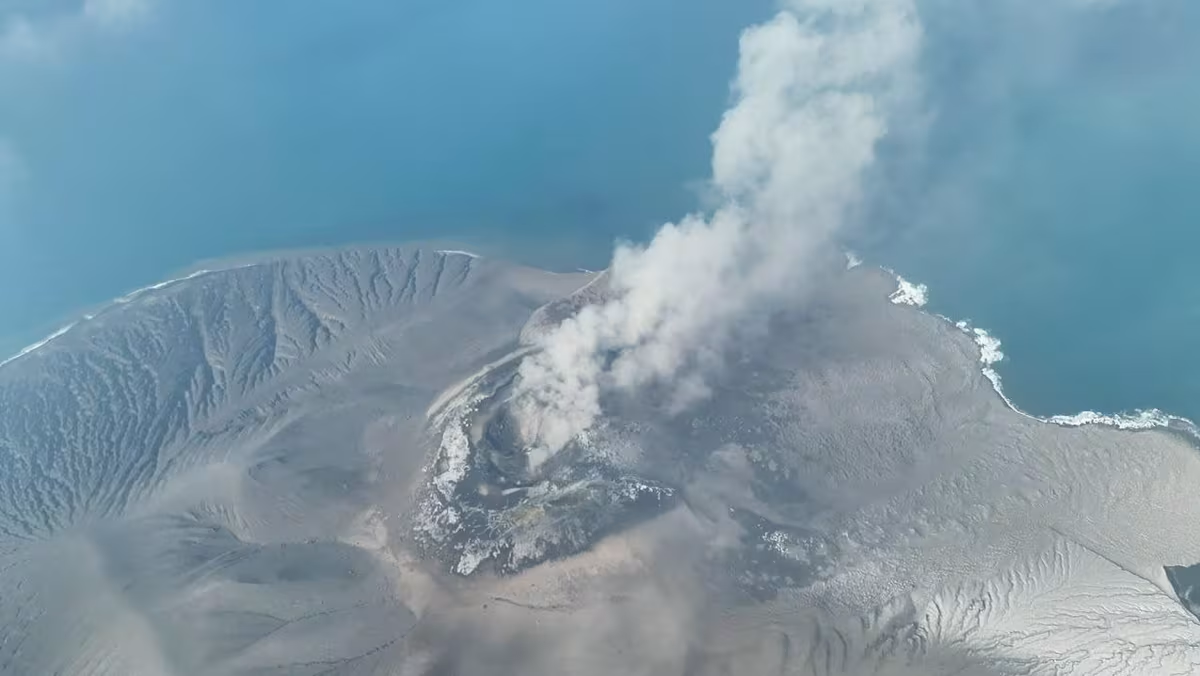
Indonesia sits on the Pacific Ring of Fire, a zone of colliding tectonic plates that produces more active volcanoes than any other country. Official counts put the number at 127.
That geological reality turned dramatic again this month when Mount Anak Krakatau erupted, sending ash high into the atmosphere and forcing the temporary closure of eight airports, including Jakarta’s main international hub.
Hundreds of flights were cancelled or delayed and hundreds of thousands of travellers were stranded. The disruption reached far beyond the volcano’s slopes because major air corridors and densely populated regions lie downwind of many active peaks.
The Anak Krakatau episode was not an isolated event. In the same week other Indonesian volcanoes showed heightened activity, with ash emissions, evacuations and elevated alert levels recorded at several sites across Java, Sumatra and the eastern islands.
Roughly 15 million people live in areas considered at elevated risk from volcanoes currently on standby or alert status. Fertile volcanic soils have long attracted dense settlement, placing communities, farms and infrastructure close to potential hazards.
Authorities maintain a network of observation posts and real-time monitoring for dozens of the most active volcanoes. Yet the combination of frequent eruptions, shifting winds and critical transport links means even moderate activity can quickly escalate into national-scale disruption.
Ash clouds threaten aircraft engines, close runways and force schools and fishing operations offline. Lava, pyroclastic flows and secondary lahars remain local dangers, but the economic and logistical impact often spreads much farther.
Indonesia’s geological agencies continue to issue warnings and maintain multi-level alert systems. The recent cluster of activity underlines why the country must treat volcanic risk as a permanent feature of national planning rather than a series of isolated emergencies.
Preparedness, early warning and flexible transport alternatives remain essential as long as the archipelago’s tectonic setting continues to generate frequent eruptions.
Latest



Top stories






Russia News






India Business News





