



Gig workers grapple with rising fuel costs and shrinking earnings
A recent shift to E20 fuel and soaring petrol prices are squeezing gig workers’ incomes, with many reporting lower mileage, higher expenses and limited support from platforms.
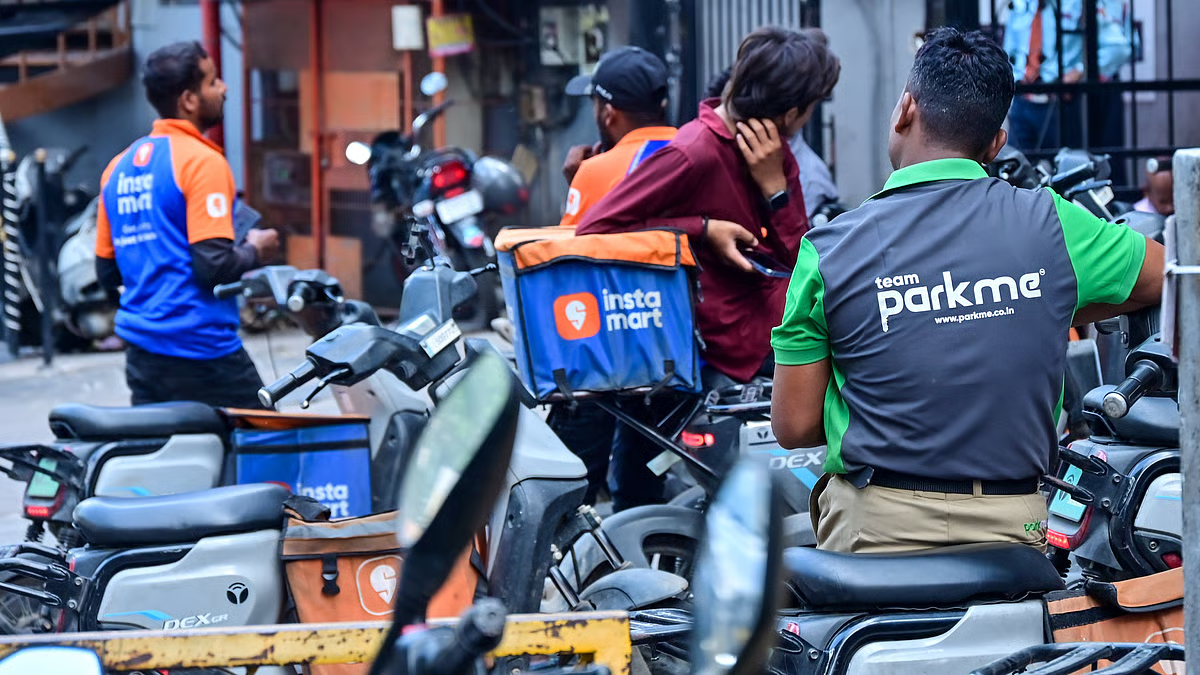
Across India, gig workers who rely on motorcycles for food delivery, grocery runs and ride‑hailing are feeling the pinch of higher fuel costs and reduced earnings. A World Economic Forum survey found that nearly 70 % of gig workers have lost all income during the pandemic, and only 23 % have any savings to fall back on. More than half have lost their jobs, while a quarter report cut hours, leaving 89 % searching for new income sources .
Fuel‑price shock hits daily commuters
In cities such as Bhubaneswar, the nationwide rollout of E20‑blended petrol has forced delivery riders to use fuel that reduces mileage. Riders travel between 80 km and 150 km a day, and many own older two‑stroke motorcycles that are not optimized for the new blend. “Earlier, I could complete an entire day’s deliveries with less fuel. Now I find myself going to the petrol pump more often,” said Santosh Behera, a delivery executive on a 2018‑model bike .
Debasish Sahoo echoed the sentiment, noting that buying a newer E20‑compatible bike is beyond his budget, forcing him to continue with an older vehicle and absorb higher fuel costs 【. Akash Nayak added that platform incentives are tied to order volume, not fuel expenses, so any rise in operating cost directly cuts profit
National trends mirror local concerns
Similar pressures are reported in other Indian regions. In Noida, a Fraazo delivery rider complained that the removal of a fuel allowance made it “near impossible to make ends meet amid record petrol prices” . Nationally, food inflation hovered around 8 % in June 2022, with expectations of exceeding 9 % later in the year, further eroding disposable income for gig workers .
Riders in Bihar’s Bhagalpur reported spending roughly one‑third of their earnings on fuel, despite a recent dip in petrol prices to January levels . The same article highlighted that platform‑wide fuel surcharges introduced by Uber and Lyft in the U.S. have done little to offset rising costs, a pattern echoed by Indian riders who say fixed surcharges do not reflect actual mileage .
Calls for better support
Across the sector, workers are demanding fuel allowances, minimum pay guarantees and access to benefits such as health insurance and sick leave. The All India Gig Workers’ Union’s national coordinator, Rikta Krishnaswamy, warned that inflation is cutting demand for rides and food orders, while platforms simultaneously trim fuel allowances and alter wage structures 【S4 :: https://www.context.news/big-tech/gig-economy-workers-hit-by-high-fuel-prices-and-layoffs】.
Automobile analyst Satyabrata Mohanty noted that high‑mileage users, like delivery riders covering 2,000 km a month, are the first to notice any dip in fuel efficiency, making every rupee spent on fuel critical to their bottom line .
While some platforms have raised fares in Indian cities, workers argue that fare hikes do not fully compensate for city‑to‑city fuel price variations . The Indian government’s recent fuel subsidy extension has tempered price spikes, yet rates remain close to record highs, leaving gig workers in Panvel, Navi Mumbai and Raigad to navigate the same financial squeeze.
Latest




Top stories


Russia News






India Business News





