
Ganga’s revival could unlock heritage tourism in West Bengal
The Ganga, a lifeline for over 650 million people, is seeing large‑scale clean‑up efforts that may also revive historic river‑front sites in Serampore, Bandel and beyond, offering a new draw for visitors.
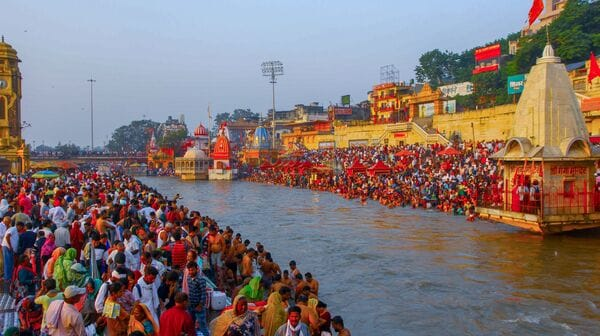
The Ganga stretches more than 2,500 km from the Himalayas to the Bay of Bengal, draining a basin that houses over 650 million people – the world’s most populated river basin . Its waters support agriculture, industry and daily life, while also sustaining a rich array of wildlife, including the endangered Ganga river dolphin, otters and gharials .
Massive clean‑up drives underway
Since 2014 the Indian government has pursued the “Namami Gange” programme, allocating more than US$4 billion to curb sewage and industrial discharge, build treatment plants capable of handling 5 billion litres of wastewater daily, and restore riverbank forests . The initiative has earned a World Restoration Flagship award, highlighting its ambition to protect both ecosystems and the millions who depend on the river .
Progress includes planting 30,000 ha of native trees along waterways, with a target of 135,000 ha by 2030, and promoting sustainable farming practices that replace chemical inputs with organic alternatives . Community engagement has grown, with fisherfolk rescuing trapped dolphins and local groups monitoring water quality .
Institutional framework
The National Ganga River Basin Authority (NGRBA) and the National Mission for Clean Ganga (NMCG) coordinate actions across five states – Uttar Pradesh, Uttarakhand, Bihar, Jharkhand and West Bengal – covering a population of about 400 million . Despite these efforts, wastewater treatment still covers less than half of urban discharge, and pollution from industry, solid waste and agricultural runoff remains a major challenge .
Heritage sites along the river
West Bengal’s stretch of the Ganga passes historic towns such as Serampore, Chinsurah, Baranagar and Diamond Harbour . These settlements host colonial‑era architecture, including former Danish and Portuguese structures, that have largely attracted local visitors. With improved water quality and better access, these sites could be marketed as part of a “Europe on the Ganga” heritage trail, linking cultural landmarks with river‑based experiences.
“Restoring the Ganga will safeguard both the natural systems and human societies that the river has nurtured for millennia,” said Leticia Carvalho, head of UNEP’s Marine and Freshwater Branch .
Economic and tourism outlook
The river basin contributes more than one‑quarter of India’s freshwater resources and about 40 per cent of national economic output . Cleaner stretches are already seeing a resurgence of fish species such as hilsa shad, which can boost local fisheries and attract culinary tourists . Moreover, wildlife‑watching tours focused on dolphins and turtles could diversify income for riverine communities .
- Improved water quality reduces health risks for residents and visitors.
- Restored riverbanks provide safe spaces for cultural festivals and boat tours.
- Heritage buildings can be repurposed as museums, cafés or boutique hotels.
Realising this tourism potential will require coordinated planning between heritage authorities, tourism boards and the agencies driving river restoration. Continued investment in sewage treatment, strict enforcement against industrial dumping, and community‑led stewardship are essential to make the Ganga both a clean ecosystem and a cultural corridor.
Latest



Top stories






Russia News






India Business News





