
From Conservation Success to Public Safety Crisis: Russia’s Brown Bear Population Doubles in Three Decades
MOSCOW — Russia is grappling with a growing wildlife management crisis as its brown bear population has more than doubled over the past three decades, leading to a sharp increase in fatal human encounters.
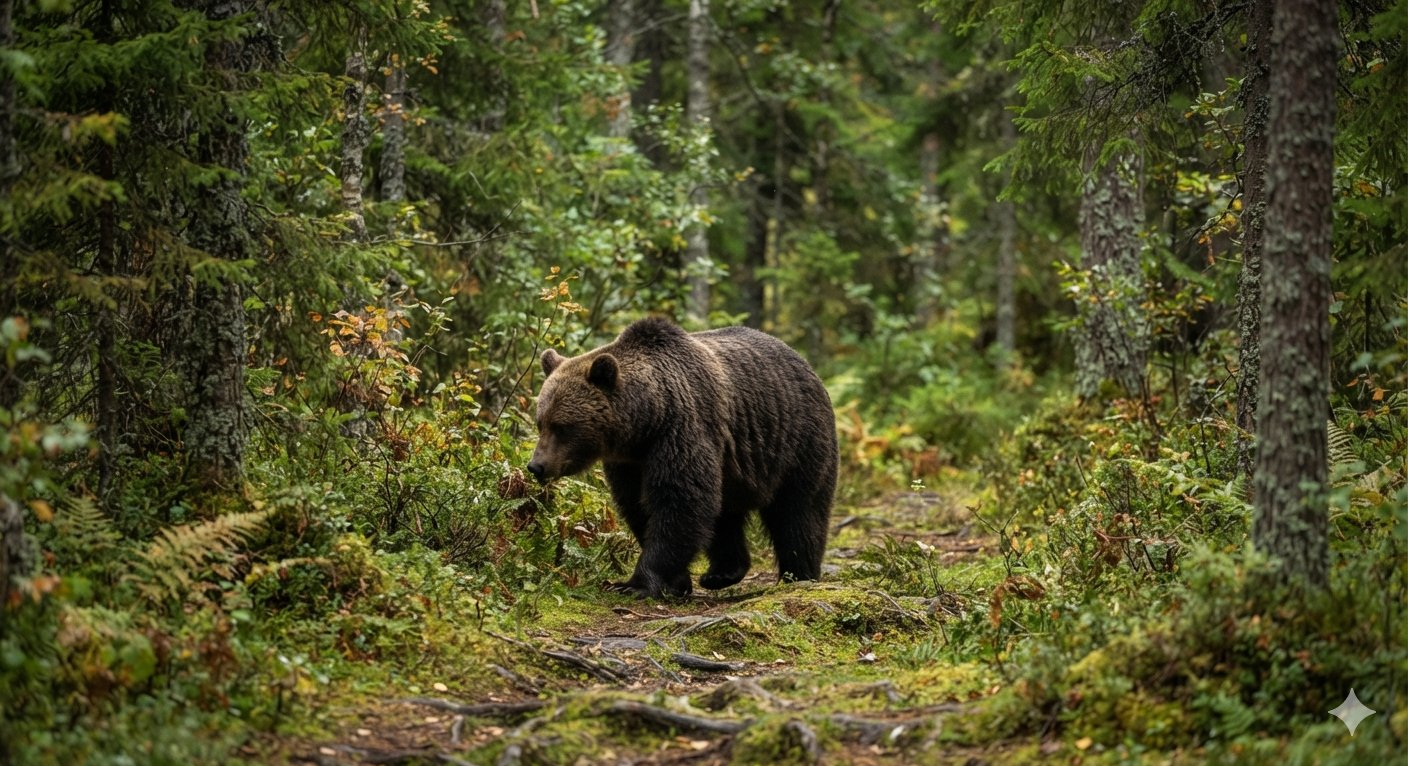
MOSCOW — Russia is grappling with a growing wildlife management crisis as its brown bear population has more than doubled over the past three decades, leading to a sharp increase in fatal human encounters.
In response to at least 22 reported fatalities since the spring, authorities and lawmakers are urgently devising new measures to control the burgeoning bear population and protect civilians in rural and semi-rural areas.
According to the Russian Natural Resources Ministry, the country is now home to approximately 308,000 brown bears, with the largest concentrations located in Siberia and the Far East.
Wildlife experts attribute this population boom to a combination of successful historical conservation efforts, shorter and milder winters, and the bears' increasing encroachment into human settlements in search of accessible food waste.
The rising frequency of attacks has prompted regional governments to take decisive, and sometimes controversial, action.
Officials are now advocating for expanded legal powers to cull potentially conflict-prone bears and drastically reduce local populations in high-risk zones.
Concurrently, an independent online project named "WhereBear" has emerged, systematically mapping crowdsourced reports of bear encounters across the country to provide real-time data and warn communities of localized dangers.
Wildlife biologists warn that this crisis is a complex symptom of broader environmental and urban planning challenges.
As human activity and resource extraction expand deeper into traditional bear habitats, the overlap between human settlements and wildlife territories inevitably increases the probability of dangerous interactions.
While targeted culling may offer a short-term mitigation strategy, conservationists emphasize that sustainable waste management, habitat preservation, and public education are critical to achieving long-term coexistence.
As Russia navigates this delicate balance between conservation success and public safety, the coming months will test the effectiveness of its new wildlife management policies.
The integration of grassroots data mapping with official regulatory action may ultimately serve as a crucial model for other nations facing similar human-wildlife conflicts in a rapidly changing climate.
Latest




Top stories






Russia News






India Business News





