



Institutional Independence Tested: Fed Raises Rates Despite Trump’s Demands for Cheaper Borrowing
WASHINGTON — The Federal Reserve unanimously raised its benchmark interest rate by 25 basis points to a target range of 3.75% to 4.00% on Wednesday, signaling its unwavering commitment to taming stubborn inflation despite mounting political pressure from the White House.
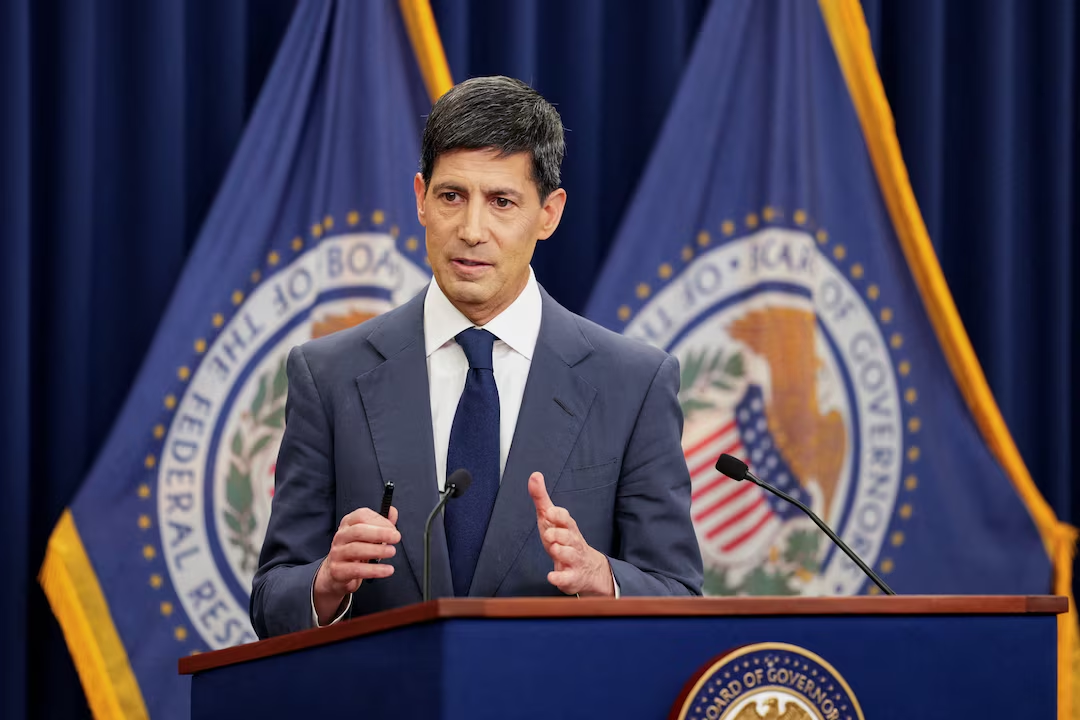
WASHINGTON — The Federal Reserve unanimously raised its benchmark interest rate by 25 basis points to a target range of 3.75% to 4.00% on Wednesday, signaling its unwavering commitment to taming stubborn inflation despite mounting political pressure from the White House.
The decision marks a definitive pushback against President Donald Trump’s repeated public demands for lower borrowing costs, which he has recently argued should be slashed to 1% or lower to stimulate rapid economic expansion.
Instead, the central bank’s policymakers concluded that persistent price pressures continue to pose a significant risk to the world’s largest economy, necessitating a continued tight monetary stance.
Federal Reserve Chair Kevin Warsh, who was appointed to lead the central bank earlier this year, emphasized that the decision was strictly data-driven and insulated from political influence.
In his post-meeting remarks, Warsh noted that while the administration’s pro-growth agenda is acknowledged, the Fed’s dual statutory mandate remains squarely focused on achieving long-term price stability and maximum sustainable employment.
He warned that prematurely easing financial conditions could reignite inflationary spirals, undoing the hard-won progress made over the past several years.
The quarter-point increase was widely anticipated by financial markets, which had already priced in the move following a series of hotter-than-expected consumer price index and producer price reports.
However, the unanimous vote underscores a rare moment of consensus among Fed officials regarding the severity and persistence of the underlying inflationary threat.
The rate hike will have immediate, tangible effects on the broader economy. Mortgage rates, auto loans, and corporate credit lines are expected to see upward adjustments, potentially cooling consumer spending and business investment in the near term.
This tightening of financial conditions is precisely the mechanism the Fed relies upon to moderate aggregate demand and bring inflation back to its 2% target.
President Trump swiftly criticized the move, framing the decision as a politically motivated obstacle designed to hinder his economic agenda.
However, mainstream economic analysts argue that the Fed’s institutional independence is crucial for maintaining long-term market confidence and preventing the kind of runaway inflation that historically devastates household purchasing power.
Looking ahead, the Fed’s updated economic projections suggest that future rate adjustments will remain strictly contingent on incoming macroeconomic data.
For now, the central bank has made it clear that its resolve to anchor inflation expectations will not be swayed by political rhetoric, setting the stage for continued friction between the White House and the nation's monetary policymakers.
Latest
Russia-US diesel deal already having positive effect – Putin aide to RT (VIDEO)



Top stories






Russia News






India Business News





