



FAA Clears Boeing 737 Max Landing Glitch as Non-Critical, Paving Way for MAX 10 Certification
WASHINGTON — The Federal Aviation Administration (FAA) has determined that a recently discovered software glitch affecting certain landing procedures on some Boeing 737 Max aircraft does not pose a flight-safety risk.
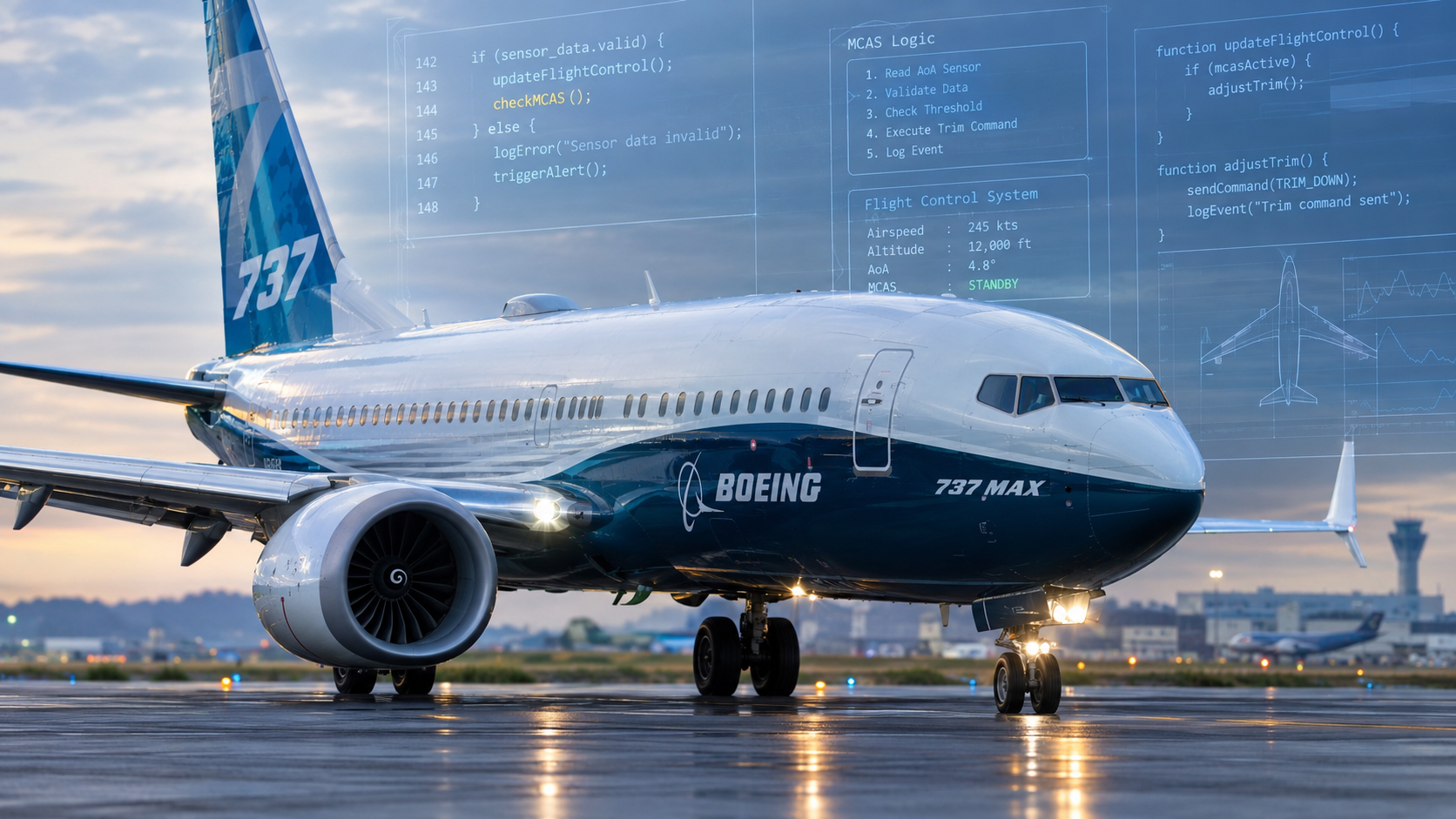
WASHINGTON — The Federal Aviation Administration (FAA) has determined that a recently discovered software glitch affecting certain landing procedures on some Boeing 737 Max aircraft does not pose a flight-safety risk.
The agency announced its findings on Monday, concluding a thorough evaluation of the anomaly that had raised concerns within the aviation industry.
According to the FAA, the software glitch impacts automated flight controls on specific 737 Max models and could potentially interfere with procedures during certain landings.
To evaluate the severity of the issue, the FAA convened a specialized review board to assess the flight computer software and its operational implications.
Boeing reportedly first became aware of the software anomaly in November 2024, and the manufacturer is currently developing a permanent fix for the affected systems.
In the interim, the FAA has been working closely with airlines, issuing bulletins to ensure flight crews are aware of the potential procedural impacts during aborted landings or specific approach phases.
The resolution of this technical hurdle is a significant development for Boeing, as the glitch had previously threatened to delay the certification of the Boeing 737 Max 10, the largest variant in the Max family.
By officially ruling that the anomaly is not a safety risk, the FAA has effectively cleared a major regulatory hurdle, paving the way for the MAX 10 certification process to move forward.
Despite the reassuring safety assessment, the incident underscores the intense scrutiny the FAA continues to apply to Boeing’s software development and quality control processes.
The agency emphasized that while a software update will eventually be required to resolve the glitch, the current operational status of the flying 737 Max fleet remains safe, and no emergency groundings or immediate operational changes are necessary.
As Boeing works to finalize the software patch, the FAA will continue to monitor the situation to ensure the permanent fix meets all rigorous aviation safety standards before it is deployed across the global fleet.
Latest

KFC to switch to Coca-Cola beverages in U.S. restaurants for the first time in decades
Top stories






Russia News






India Business News





